
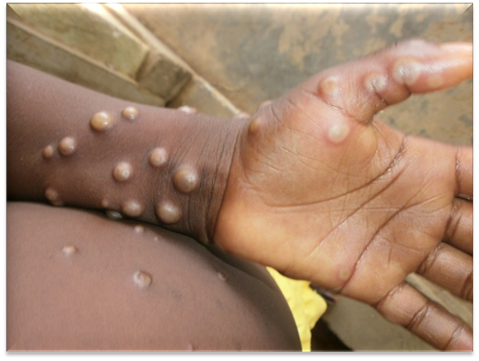

The recent confirmation by the Ghana Health Service that Mpox cases have risen to 880 as of November 20, 2025, has sparked renewed concern across the nation. This development comes after 11 new infections were recorded, following an earlier report in October when 22 new cases pushed the total to 735. The steady increase highlights the urgent need for heightened public awareness, preventive measures, and stronger health system responses to contain the spread of this infectious disease.
Mpox, a viral illness that spreads through close contact with infected individuals, has become a pressing public health issue in Ghana. Health officials have consistently emphasized the importance of hygiene and early detection. As the Ghana Health Service stated, “Health officials are urging the public to maintain good hygiene and report symptoms without delay.”
This advice is critical because the disease presents with symptoms such as fever, rash, headache, muscle aches, swollen lymph nodes, chills, and tiredness. These symptoms, though similar to other viral infections, can quickly escalate if not addressed promptly, making early medical intervention essential.
The demographic spread of Mpox cases in Ghana is particularly concerning. According to situational data, infections reported in October involved individuals aged between one and fifty years, spanning regions such as Western, Bono, Greater Accra, and Western North. This wide age range demonstrates that the disease does not discriminate, affecting both children and adults.
t the time, two patients were hospitalized, and the death toll stood at three, with no new fatalities reported. However, the cumulative number of suspected cases reached 3,506, and more than 3,800 contacts had been identified since the outbreak began. These figures reveal the scale of the challenge facing health authorities and the potential for further spread if vigilance wanes.
The Ghana Health Service has responded with a multi-pronged strategy aimed at strengthening detection, treatment, and public education. Workshops have been organized across eight regions, focusing on atypical Mpox presentations, wound care, home isolation procedures, and psychosocial support. These sessions target staff at ART sites, STI clinics, and other facilities, equipping them with the skills needed to improve case management.
Public education campaigns have also intensified, with weekly social media updates and multilingual telephone polls designed to assess awareness levels. This approach ensures that prevention messages reach diverse communities, including those who may not have access to traditional media.
Vaccination has emerged as a cornerstone of Ghana’s response. By mid-October, more than 14,490 people had been vaccinated, representing 73.9 percent of the target group. Most of those vaccinated were between the ages of twenty and thirty-nine, a demographic often considered highly mobile and socially active, which increases their risk of exposure. This achievement reflects both the commitment of health authorities and the willingness of citizens to protect themselves and their communities. Yet, with the rising number of cases, the vaccination drive must continue to expand to cover more vulnerable populations.
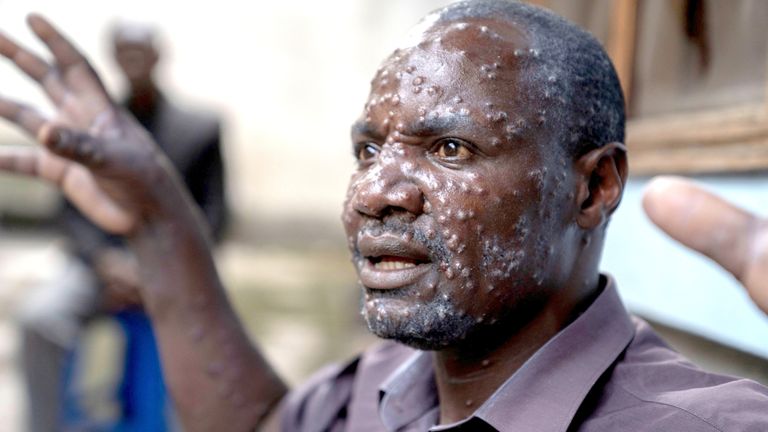
The rise in Mpox cases also raises broader questions about public health resilience in Ghana. Infectious diseases like Mpox test the capacity of health systems to respond quickly and effectively. The Ghana Health Service’s proactive measures—ranging from training workshops to vaccination campaigns—demonstrate a strong commitment to safeguarding public health. However, the persistence of new infections suggests that more needs to be done. Community engagement, rapid testing, and continuous surveillance are vital to breaking the chain of transmission.
The public’s role in combating Mpox cannot be overstated. Hygiene practices such as regular handwashing, avoiding close contact with infected individuals, and promptly reporting symptoms are simple yet powerful tools in preventing spread.
As health officials have reiterated, “People who experience these signs are advised to seek medical attention at the nearest health facility.” This guidance is not only practical but lifesaving, as timely medical intervention can reduce complications and prevent further transmission.
The Mpox outbreak in Ghana also highlights the importance of global health cooperation. Diseases like Mpox are not confined by borders, and Ghana’s experience serves as a reminder that international collaboration is essential in tackling infectious diseases. Sharing data, research, and resources can strengthen national responses and ensure that countries are better prepared for future outbreaks.
As Ghana continues to battle Mpox, the rising case numbers serve as a stark reminder of the need for vigilance. The disease’s spread across multiple regions, its impact on diverse age groups, and the ongoing identification of thousands of contacts underscore the urgency of sustained public health action.
The Ghana Health Service’s efforts in vaccination, education, and training are commendable, but the fight against Mpox requires collective responsibility. Every citizen has a role to play in protecting themselves and others, and every act of prevention contributes to the broader goal of safeguarding the nation’s health.
In conclusion, the increase in Mpox cases to 880 is not just a statistic—it is a call to action. Ghana must continue to strengthen its health systems, expand vaccination coverage, and intensify public education campaigns. Citizens must remain vigilant, adhere to hygiene practices, and seek medical care when symptoms arise.
By working together, Ghana can contain the spread of Mpox and protect the health of its people. The words of the Ghana Health Service resonate clearly: “Health officials are urging the public to maintain good hygiene and report symptoms without delay.” This message, simple yet powerful, must guide the nation’s collective response to this growing public health challenge.
Sources: Mpox cases hit 880 as Ghana Health Service urges public to stay alert – Graphic Online