

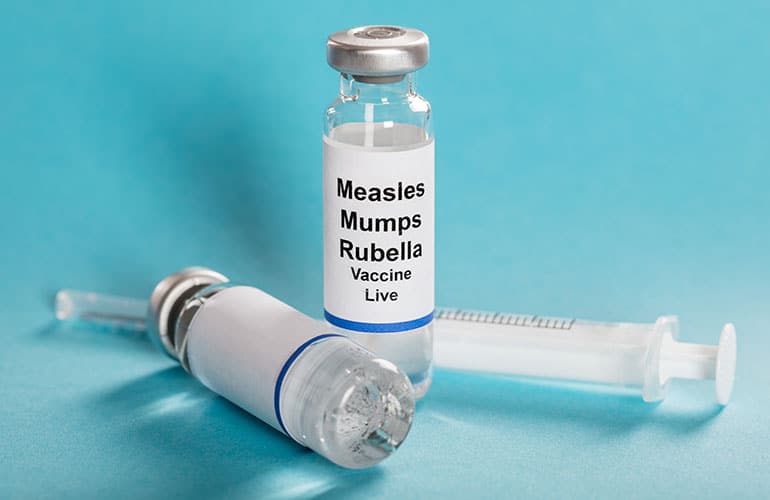
The Democratic Republic of the Congo has launched one of the largest vaccination campaigns in its history, aiming to protect more than 62 million children and teenagers against measles and rubella. This monumental effort, announced by the World Health Organization and local officials, is a decisive step toward eliminating two of the most dangerous preventable diseases that continue to threaten millions of young lives. The campaign covers children aged six months to fourteen years and is designed as a catch-up initiative before the country transitions to a new combined measles-rubella vaccine in routine immunizations.
The urgency of this campaign cannot be overstated. More than seven million children under five are currently at risk due to repeated measles outbreaks and low routine vaccination rates. Measles remains one of the most contagious diseases known, and rubella carries devastating consequences, including Congenital Rubella Syndrome, which can cause lifelong disabilities.
By closing protection gaps, the Democratic Republic of the Congo is moving closer to wiping out both diseases. As Dr. Roger Kamba, Congo’s health minister, declared, “Vaccines are safe and save lives. We need every parent and community leader to help us make sure no child is left behind.” His words capture the urgency and collective responsibility required to make this campaign a success.
The rollout began in seven provinces—Haut-Katanga, Haut-Lomami, Lualaba, Tanganyika, Bas-Uele, Haut-Uele, and Ituri—from November 27 to December 1, with plans to expand across the rest of the country in phases. Health workers are delivering vaccines not only in clinics but also through outreach teams that reach hard-to-access and conflict-affected areas. This approach ensures that even children in remote communities are included. Dr. Mohamed Janabi of WHO Africa emphasized, “This step will save lives and help ensure no child suffers from measles or rubella.” His statement reflects the broader vision of universal health coverage, where no child is excluded because of geography or circumstance.
The campaign is backed by a coalition of global health partners, including Gavi, the Vaccine Alliance, WHO, UNICEF, the Gates Foundation, and the US Centers for Disease Control and Prevention. Their support highlights the importance of international collaboration in tackling public health crises. These organizations are not only providing vaccines but also supporting logistics, training, and community engagement. In a country where routine vaccination coverage remains below global targets, such partnerships are critical to bridging gaps and ensuring sustainability.
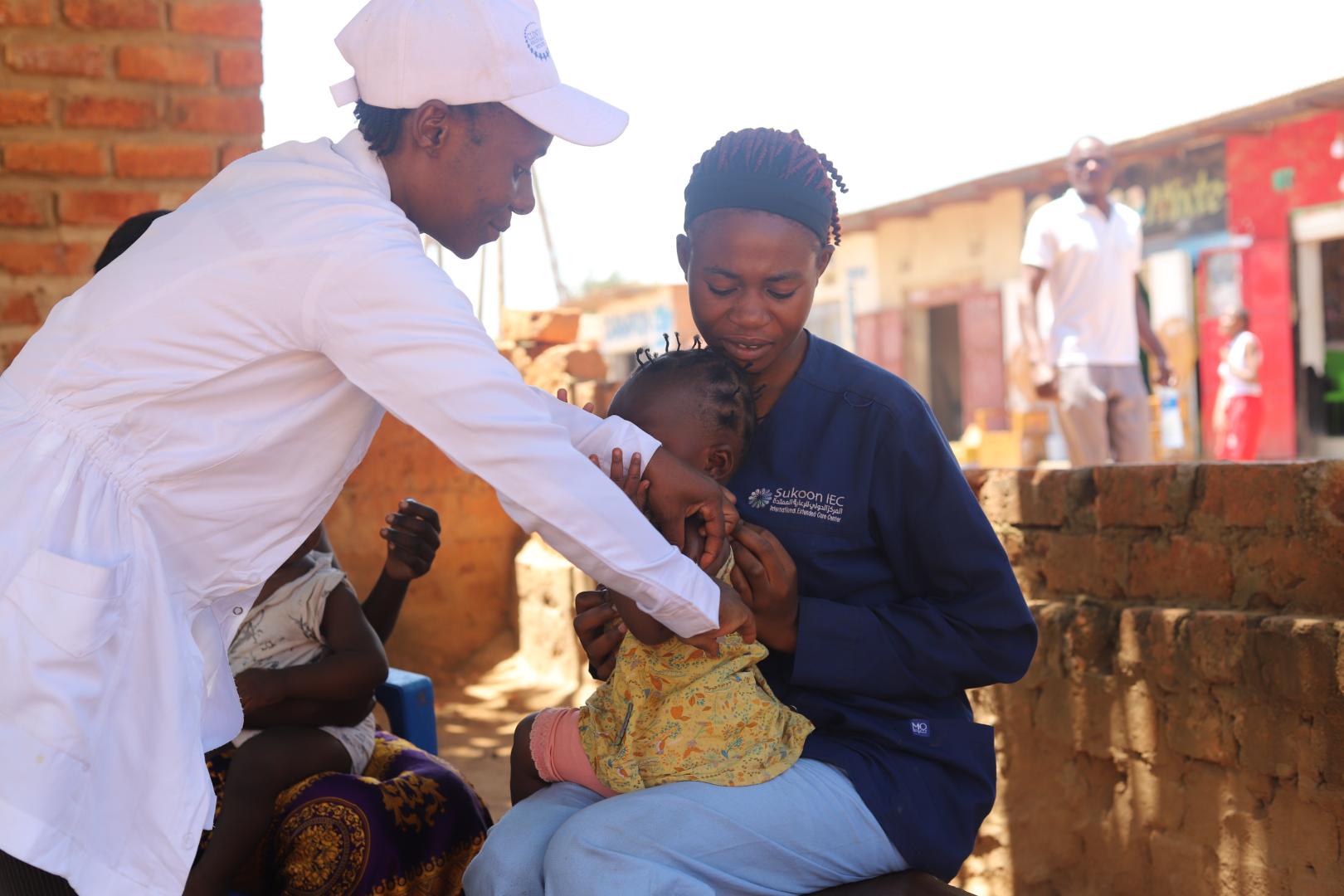
Community involvement is another cornerstone of the campaign. Civil society groups, local leaders, and grassroots organizations are actively fighting misinformation and encouraging parents to vaccinate their children. In recent years, vaccine hesitancy fueled by misinformation has posed challenges worldwide, and Congo is no exception. By mobilizing trusted voices within communities, the campaign aims to build confidence and dispel myths. This strategy is essential for achieving high coverage rates and protecting vulnerable populations.
Routine vaccination coverage in Congo has historically lagged behind global standards, leaving millions of children vulnerable to preventable diseases. The introduction of the combined measles-rubella vaccine into regular immunization schedules represents a major opportunity to strengthen child health. By integrating this vaccine, the country can streamline delivery, reduce costs, and improve efficiency. It also aligns with global health strategies that emphasize the importance of comprehensive immunization programs in achieving universal health coverage.
The broader implications of this campaign extend beyond measles and rubella. Strengthening vaccination systems contributes to overall health system resilience, enabling countries to respond more effectively to future outbreaks and emergencies. It also builds trust in public health institutions, which is vital for sustaining long-term improvements. For Congo, this campaign is not just about preventing disease—it is about laying the foundation for a healthier future.
The success of this campaign will depend on sustained commitment from government, partners, and communities. It requires not only the delivery of vaccines but also the strengthening of health systems, the training of health workers, and the engagement of parents. As Dr. Kamba urged, every parent and community leader must play a role in ensuring that no child is left behind. The stakes are high, but the potential rewards are immense: millions of lives saved, disabilities prevented, and a healthier generation prepared to build the future of Congo.
In conclusion, Congo’s nationwide measles and rubella vaccination drive is a landmark initiative in global health. It demonstrates the power of collective action, the importance of evidence-based policy, and the resilience of communities determined to protect their children. By investing in vaccines today, Congo is investing in its future. The campaign is not just a medical intervention—it is a declaration of hope, a commitment to equity, and a step toward a world where preventable diseases no longer claim young lives.
Source: DR Congo starts nationwide vaccine drive for 62 million children DevelopmentAid