
Cancer awareness and early detection are among the most powerful tools communities can use to reduce deaths, improve treatment outcomes and protect families from long-term hardship. The Ghana Health Service has issued a clear call to action: learn the common signs and symptoms of cancer, prioritize regular screening where available, adopt healthier lifestyles that lower cancer risk, and support people living with cancer so stigma does not delay care. This public health message, highlighted around World Cancer Day, stresses that many cancers are treatable when detected early and that community action can close gaps in cancer care across Ghana.
Recognizing cancer early starts with knowing what to watch for. Warning signs that should prompt timely medical attention include unexplained weight loss, extreme fatigue, persistent or unexplained fever, ongoing pain, noticeable skin changes such as darkening, yellowing or the sudden appearance of new moles, unusual bleeding or bruising, new lumps or thickening under the skin, and persistent changes in bowel or bladder habits. These symptoms are not definitive proof of cancer on their own, but they are red flags that warrant evaluation by a trained health professional. Early clinical assessment, diagnostic testing and, when indicated, referral to specialized care dramatically increase the chances of successful treatment and survival.
Public education campaigns that teach people to recognize these signs and to seek care promptly are essential in settings where late-stage diagnosis remains common. When communities understand that symptoms such as a new lump, unexplained bleeding, or sudden weight loss are not normal, they are more likely to seek help early rather than waiting until disease is advanced. Health systems that pair awareness with accessible screening services, diagnostic capacity and clear referral pathways create a practical route from symptom recognition to lifesaving care. Strengthening these links—community awareness, primary care evaluation, diagnostic testing and timely referral—reduces the three delays that often worsen cancer outcomes: delay in recognizing the problem, delay in reaching care, and delay in receiving appropriate treatment.
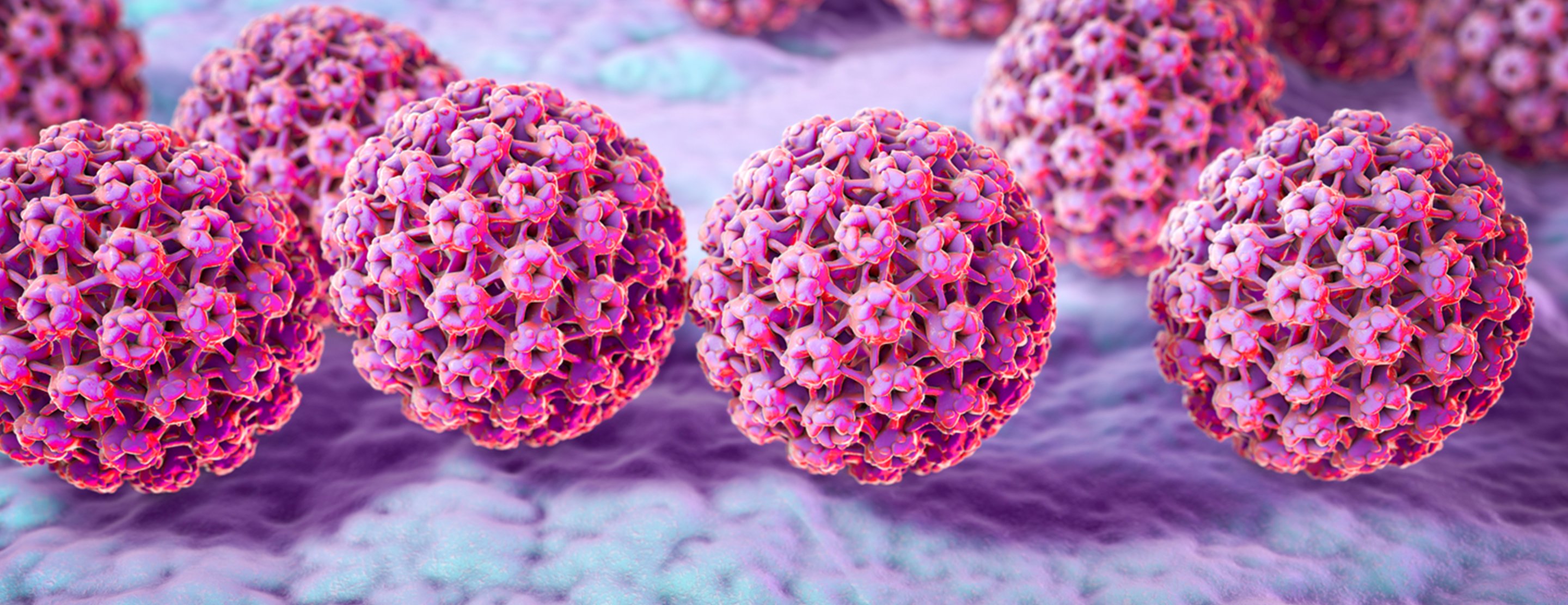
Screening programs and routine checks are proven strategies for catching certain cancers before symptoms appear or at an early, more treatable stage. Where screening is available and appropriate, such as cervical cancer screening with visual inspection or HPV testing and breast cancer screening through clinical breast exams and imaging when feasible, uptake should be encouraged through community outreach and education. Vaccination programs that prevent cancer-causing infections—most notably human papillomavirus (HPV) vaccination to prevent cervical cancer—are a cornerstone of long-term cancer prevention and should be integrated into national immunization strategies and school-based health programs. Combining prevention, screening and early treatment creates a comprehensive approach that saves lives and reduces the long-term costs of advanced cancer care.
Lifestyle choices and environmental factors also play a major role in cancer risk. Tobacco use remains the single largest preventable cause of cancer worldwide; quitting smoking and reducing exposure to secondhand smoke are among the most effective individual actions to lower cancer risk. Diets high in fruits, vegetables and whole grains, regular physical activity, maintaining a healthy weight, limiting alcohol consumption and protecting skin from excessive sun exposure all contribute to lower cancer risk. Public health policies that reduce exposure to carcinogens in the environment, regulate tobacco and alcohol, and promote healthy food environments amplify individual efforts and create healthier communities.
Stigma and misinformation can be powerful barriers to early diagnosis and treatment. In many communities, fear of social exclusion, myths about cancer causes and fatalistic beliefs lead people to hide symptoms or seek unproven remedies instead of timely medical care. Community leaders, faith-based organizations, health workers and survivors all have roles to play in changing narratives about cancer. Sharing survivor stories, providing clear, culturally sensitive information about symptoms and treatment options, and creating safe spaces for people to ask questions can reduce fear and encourage earlier care-seeking. When communities rally around people with cancer—offering emotional, practical and financial support—patients are more likely to complete treatment and experience better outcomes.
Health systems must be prepared to respond when people present with symptoms. That means equipping primary care clinics with basic diagnostic tools, training health workers to perform appropriate examinations and recognize red flags, and ensuring reliable referral systems to higher-level facilities for imaging, pathology and oncology services. Investment in pathology services, imaging equipment and trained specialists is critical because accurate diagnosis underpins effective treatment planning. Tele–medicine and outreach clinics can extend specialist expertise into under–served areas, while mobile screening units and community health campaigns can bring services closer to people who face geographic or financial barriers.
Measuring progress is essential. Tracking indicators such as the proportion of cancers detected at early stages, screening coverage rates, time from symptom onset to diagnosis, and treatment completion rates helps health managers identify gaps and target resources where they will have the greatest impact. Data also supports advocacy for sustained funding, workforce development and infrastructure improvements. Community-level monitoring—gathering feedback from patients, families and frontline health workers—reveals operational challenges that numbers alone may miss and helps tailor interventions to local realities.
World Cancer Day and similar observances provide valuable opportunities to mobilize action, raise awareness and align stakeholders around shared goals. The Ghana Health Service’s emphasis on the theme of community action for prevention and early detection underscores the need for coordinated efforts across government, civil society, health providers and communities. Campaigns timed around national events, school programs, workplace initiatives and faith-based outreach can reach diverse audiences and reinforce consistent messages about signs, screening and where to seek care. Partnerships with media outlets, social influencers and survivor networks amplify reach and normalize conversations about cancer.


Access to affordable, quality cancer care remains a major challenge in many low- and middle-income settings. Financial barriers, limited specialist capacity and shortages of essential medicines and equipment can delay or prevent effective treatment. Policymakers and donors should prioritize investments that expand diagnostic capacity, subsidize essential cancer medicines, train oncology nurses and specialists, and integrate palliative care into health services so that patients receive compassionate symptom management when cure is not possible. Strengthening supply chains for chemotherapy agents, pain medications and supportive care supplies ensures that once patients are diagnosed, they can access the full continuum of care.
Prevention and early detection also deliver economic benefits. Treating advanced cancer is far more costly than preventing disease or treating it early. By reducing the burden of late-stage disease, countries can lower healthcare expenditures, preserve household incomes and protect workforce productivity. Investing in cancer control is therefore not only a health priority but also a development strategy that supports families and national economies.
Every individual and community can contribute to closing the cancer care gap. Learn and share the common warning signs, participate in screening programs when available, support vaccination campaigns that prevent cancer-causing infections, adopt healthier lifestyles, and stand with people affected by cancer to reduce stigma. Health workers should be supported with training, diagnostic tools and clear referral pathways so they can act quickly when symptoms are identified. Policymakers and donors must sustain investments in prevention, diagnosis, treatment and palliative care to ensure that early detection leads to effective, affordable care.
The Ghana Health Service’s message is straightforward and urgent: many cancers can be treated successfully when detected early, and community action is essential to close the cancer care gap. By combining awareness, screening, prevention and system strengthening, Ghana can make measurable progress in reducing cancer deaths and improving quality of life for people affected by cancer. Communities that recognize warning signs, seek care promptly and support one another create the conditions for earlier diagnosis, better treatment outcomes and stronger, healthier futures.
Source: Know cancer signs, seek early care – Ghana Health Service – Ghana Business News