

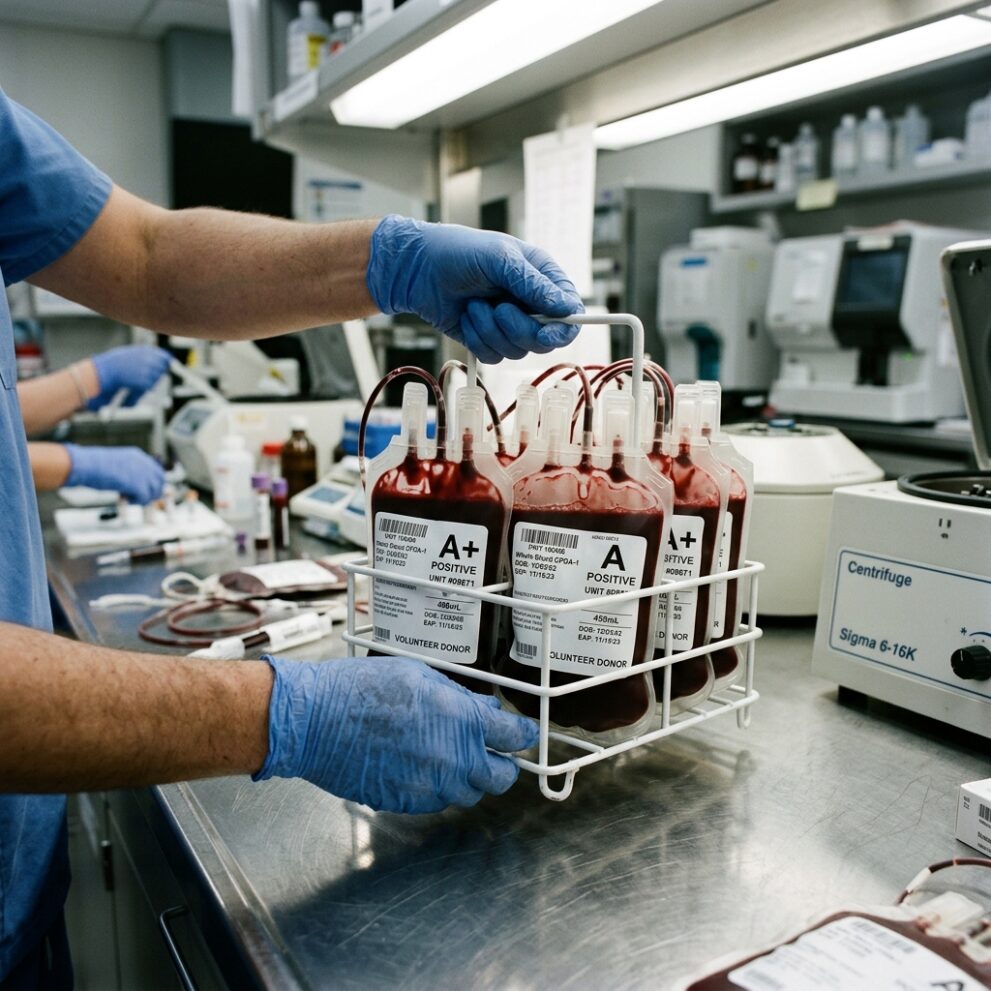
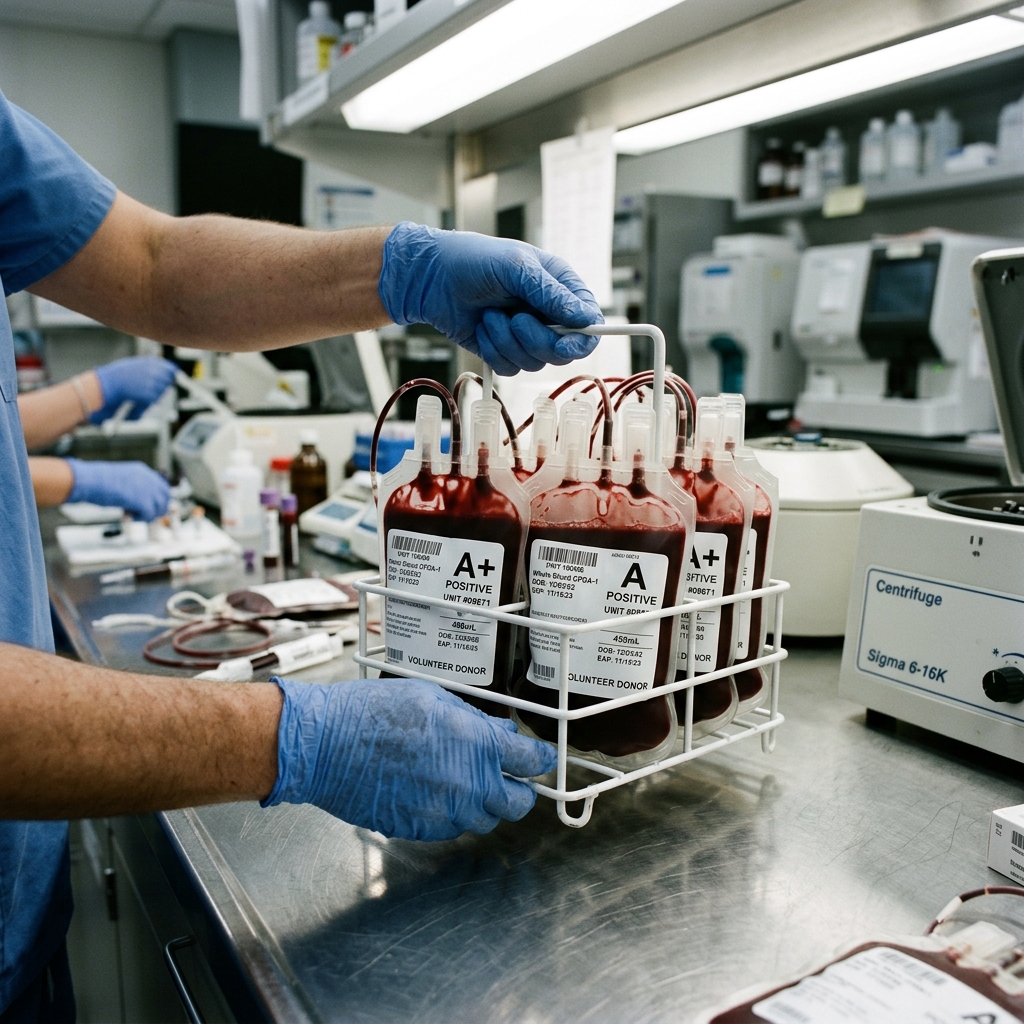
Currently we don't have blood at the children's hospital. We are therefore appealing to donors as a matter of urgency
Blood donor representative
The Komfo Anokye Teaching Hospital (KATH) in Kumasi has issued an urgent appeal after a critical shortage of blood supplies was confirmed for children and pregnant
women undergoing surgery. This emergency affects not only the children’s hospital within KATH but also patients across six regions who rely on timely transfusions for survival. The shortage has intensified at a time when many hospitals are already stretched thin, and the call for donors is immediate and actionable.
This crisis is a stark reminder that blood donation is a life-saving public service and that supply gaps translate directly into preventable deaths. Hospital representatives emphasized that there is currently no blood available at the children’s hospital, creating a situation where routine and emergency surgeries are at risk. Community leaders, faith groups, and civic organizations have already begun mobilizing donation drives, but the scale of the shortage requires sustained, widespread participation from the public.
That direct appeal captures the human stakes: children and pregnant mothers facing operations cannot wait for supplies to be replenished slowly. Every unit of donated blood can mean the difference between life and death for a child in surgery or a mother experiencing obstetric hemorrhage. The shortage at KATH is occurring against a broader backdrop of health system strain. Many hospitals nationwide are experiencing bed shortages and capacity constraints, which compound the risks when blood supplies run low. In such conditions, the ability to perform lifesaving transfusions becomes even more critical. Health officials and community organizers are urging coordinated action: regular blood drives, workplace donation programs, and targeted outreach to groups with high donor potential.
To address the shortage effectively, stakeholders should prioritize several immediate and medium-term strategies. First, urgent public appeals must be amplified across radio, social media, and community networks to reach potential donors quickly. Second, mobile blood drives and pop-up donation centers in high-traffic locations—markets, universities, workplaces, and places of worship—can lower barriers for first-time donors. Third, hospitals and blood banks should streamline donor registration and screening processes to make donation faster and more convenient while maintaining safety standards. Fourth, targeted campaigns that educate the public about eligibility, safety, and the impact of donation can convert awareness into action.
Practical guidance for prospective donors is essential. Donors should be informed about basic eligibility criteria, the short time commitment required, and the minimal risks involved. Encouraging repeat donations is equally important: a single donor can save multiple lives over time by giving regularly. Employers can support this by offering paid time off for donation, hosting workplace drives, or partnering with local blood services to coordinate group donations. Schools and universities can integrate donation drives into student activities to build a culture of giving among younger generations.

Health system leaders must also address structural issues that contribute to chronic shortages. Investing in robust blood bank infrastructure, improving cold-chain logistics, and ensuring transparent inventory management will reduce waste and improve distribution to peripheral hospitals. Strengthening partnerships between regional hospitals and national blood services can create buffer stocks and rapid redistribution mechanisms during crises. Donor retention programs, including recognition and follow-up communication, help convert one-time donors into lifelong contributors.
The human cost of inaction is high. When blood is unavailable, clinicians face impossible choices: delaying surgery, rationing scarce units, or transferring patients to distant facilities. These delays increase the risk of complications and mortality, particularly for vulnerable groups such as neonates, children, and pregnant women. The KATH appeal underscores that community solidarity and consistent donor participation are essential to prevent such outcomes.
Donors and community organizers should also be mindful of safety and ethical considerations. Blood collected from volunteers must never be sold; donated blood is a public good intended solely for patient care. Hospital representatives have explicitly condemned any practice of commercializing donated blood, reinforcing that donations are meant to save lives, not generate profit. Transparent policies and public accountability help maintain trust in the donation system and encourage more people to give.
For those who want to help immediately, the most effective actions are simple and direct: locate the nearest donation center, check eligibility, and schedule a donation. If you cannot donate, you can still support the effort by spreading verified information about donation drives, volunteering to assist at collection events, or organizing group donations through workplaces, schools, or faith communities. Collective action multiplies impact: when communities come together, blood banks can rebuild reserves quickly and reliably.
Long-term resilience requires embedding blood donation into public health planning. Governments and health agencies should include blood supply targets in national health strategies, fund public awareness campaigns, and incentivize institutional partnerships that sustain donation pipelines. Data-driven forecasting can help anticipate seasonal dips in supply—such as holidays or exam periods—and trigger preemptive drives. Building a culture where regular donation is a civic norm will protect the most vulnerable and strengthen the entire health system.
It would be wrong for us to sell out blood donated by volunteers and other individuals at a time when blood is needed to save lives.
Blood donor representative
The KATH shortage is a call to action for every citizen who can give. As the hospital’s appeal makes clear, the need is urgent and real. Responding now can prevent needless loss and ensure that children and mothers receive the care they need.
The Komfo Anokye Teaching Hospital’s appeal is more than a local emergency; it is a reminder that blood donation
is a shared responsibility with immediate, measurable impact. By donating, organizing drives, and supporting systemic improvements, communities across the Ashanti Region and beyond can close the gap between need and supply. The lives of children and pregnant women depend on timely action—every donation counts, and every voice that spreads the message helps save lives.
Source: KATH announces blood shortage for children, pregnant women