

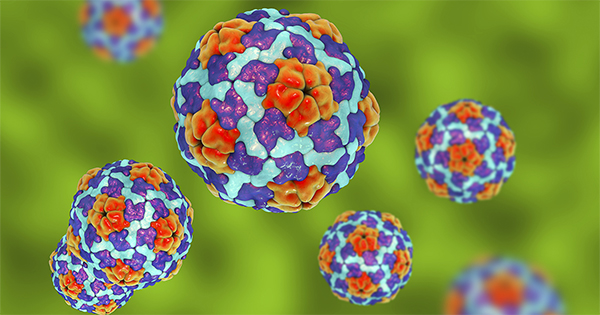

Around the world, countries are showing that eliminating hepatitis is not a pipedream, it's possible with sustained political commitment, backed by reliable domestic financing.
Dr Tedros Adhanom Ghebreyesus
Global health leaders agree that eliminating viral hepatitis is achievable, but the clock is ticking. The World Health Organization’s 2026 Global Hepatitis Report shows measurable progress since 2015 while sounding a clear alarm: current momentum is not enough to meet the 2030 elimination targets. In 2024, viral hepatitis B and C were responsible for 1.34 million deaths worldwide, and transmission continues at an alarming pace with more than 4,900 new infections every day—about 1.8 million new infections each year. These figures make hepatitis one of the most urgent, yet solvable, public health crises of our time.
The report highlights important wins that prove elimination is possible. Since 2015, the annual number of new hepatitis B infections has fallen by 32%, and hepatitis C–related deaths have declined by 12%. Hepatitis B prevalence among children under five has dropped to 0.6%, and 85 countries have reached or exceeded the 2030 target of 0.1% prevalence in this age group. These gains reflect the power of sustained political commitment, strong vaccination programs, and targeted national strategies. Yet the progress is uneven: many regions, especially in Africa, still face major gaps in prevention, testing, and treatment.
At the same time, WHO experts warn that stigma, weak health systems, and inequitable access leave millions undiagnosed and untreated—turning preventable infections into preventable deaths. The burden is concentrated and actionable. Updated WHO estimates show 287 million people living with chronic hepatitis B or C in 2024. Of these, 240 million had chronic hepatitis B, yet fewer than 5% were receiving treatment.
Hepatitis C treatment has been transformative since 2015—short-course therapies can cure more than 95% of infections—but only 20% of people with hepatitis C have been treated since those cures became widely available. The African Region accounted for 68% of new hepatitis B infections in 2024, while only 17% of newborns in the region received the hepatitis B birth-dose vaccine, a critical missed opportunity to prevent mother-to-child transmission.
A small number of countries account for a large share of deaths. Ten countries—Bangladesh, China, Ethiopia, Ghana, India, Indonesia, Nigeria, the Philippines, South Africa, and Viet Nam—were responsible for 69% of hepatitis B–related deaths in 2024. Hepatitis C deaths are more geographically dispersed, but ten countries including China, India, Indonesia, Japan, Nigeria, Pakistan, the Russian Federation, South Africa, the United States, and Viet Nam accounted for 58% of global hepatitis C deaths. These concentrated patterns mean targeted national strategies can yield outsized global impact.
Proven, high-impact tools already exist and must be scaled without delay. The hepatitis B vaccine protects more than 95% of vaccinated people against acute and chronic infection. Long-term antiviral therapy for hepatitis B can prevent severe liver disease, and 8–12 week curative therapies for hepatitis C can eliminate infection in the vast majority of patients. Countries that have moved quickly—such as Egypt, Georgia, Rwanda, and the United Kingdom—demonstrate that elimination is feasible when political will, financing, and health system integration align.
To accelerate progress and close existing gaps, the WHO report outlines a set of priority actions that must be implemented at scale. These recommendations are practical, evidence-based, and designed to deliver the greatest impact in high-burden regions. A key focus is the urgent need to scale up treatment for chronic hepatitis B, particularly in Africa and the Western Pacific where both prevalence and mortality remain highest. At the same time, expanding access to hepatitis C treatment is critical in regions experiencing rising incidence and limited treatment coverage.
The report also emphasizes improving hepatitis B birth-dose vaccination by ensuring that newborns receive the vaccine within 24 hours of birth, a crucial step in preventing mother-to-child transmission. In parallel, strengthening harm reduction services and ensuring safe injection practices are essential to reduce transmission among people who inject drugs as well as within healthcare settings. Finally, integrating hepatitis services into primary healthcare systems is highlighted as a key strategy, making testing, diagnosis, and treatment a routine part of maternal and child health services, HIV programs, and general outpatient care.
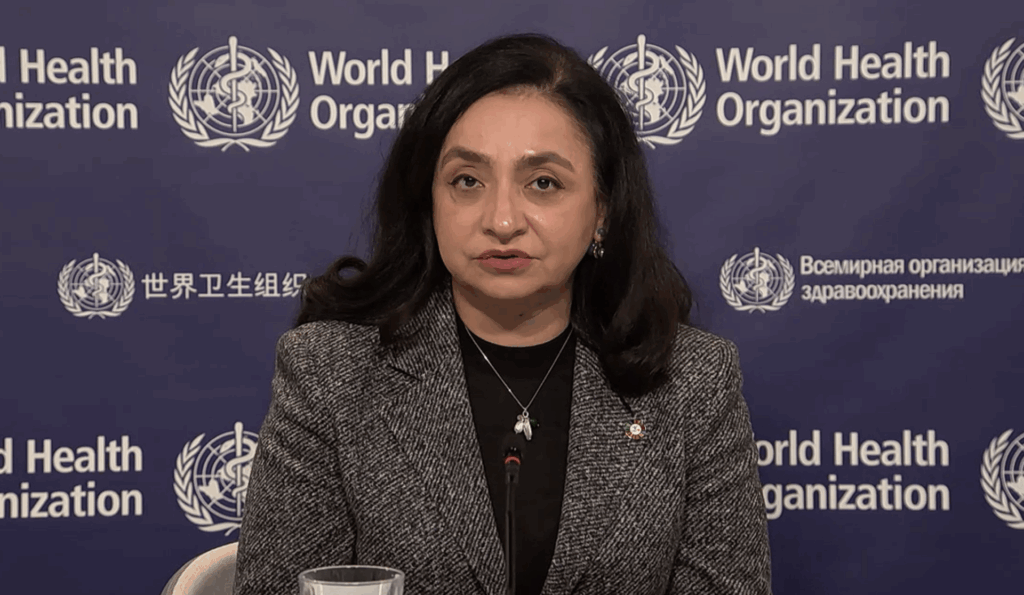
Addressing hepatitis requires both national leadership and community-centered approaches. Governments must commit domestic financing and policy support; health systems must adopt simplified testing and treatment algorithms; and communities must be engaged to reduce stigma and improve uptake of services. As Dr Tereza Kasaeva, Director of WHO’s Department for HIV, TB, Hepatitis and Sexually Transmitted Infections, emphasized: “Every missed diagnosis and untreated infection due to chronic viral hepatitis represents a preventable death.” That stark reality should drive urgency and action at every level.
The path to 2030 is clear: scale what works, close the gaps, and prioritize equity. Countries must expand birth-dose vaccination, integrate hepatitis services into primary care, fund treatment programs, and strengthen harm reduction and injection safety. Civil society and affected communities must be empowered to demand services and reduce stigma. Donors and global health institutions must align financing and technical support to the highest-burden settings. When these elements come together, elimination moves from aspiration to reality.
The WHO 2026 report is both a progress report and a roadmap. It proves that elimination is possible and shows exactly where the world is falling short. The choice is now: accelerate proven interventions and save millions of lives, or accept preventable suffering and missed targets. The evidence is clear, the tools are available, and the moral case is undeniable. The time to act is now.