

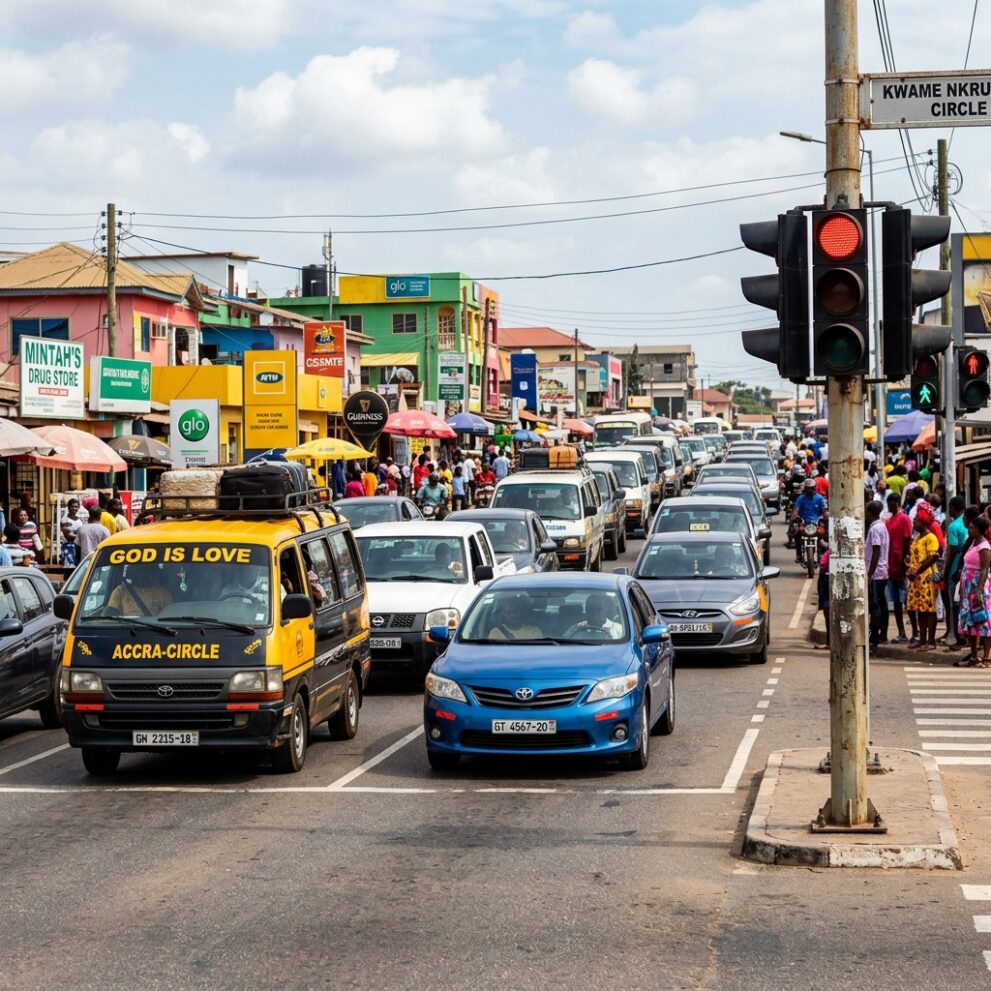

Ghana's amendment to the national road traffic act and new safety standards marks a major step forward for road safety.
Dr Fiona Braka
Ghana has taken a decisive step toward safer roads with a sweeping update to its national road traffic act and the introduction of new safety standards for child restraints and motorcycle helmets. These changes, adopted by parliament in December 2025 and enforced from early 2026, align Ghana with World Health Organization legal recommendations and set a clear course for reducing the country’s alarming road fatality rate.
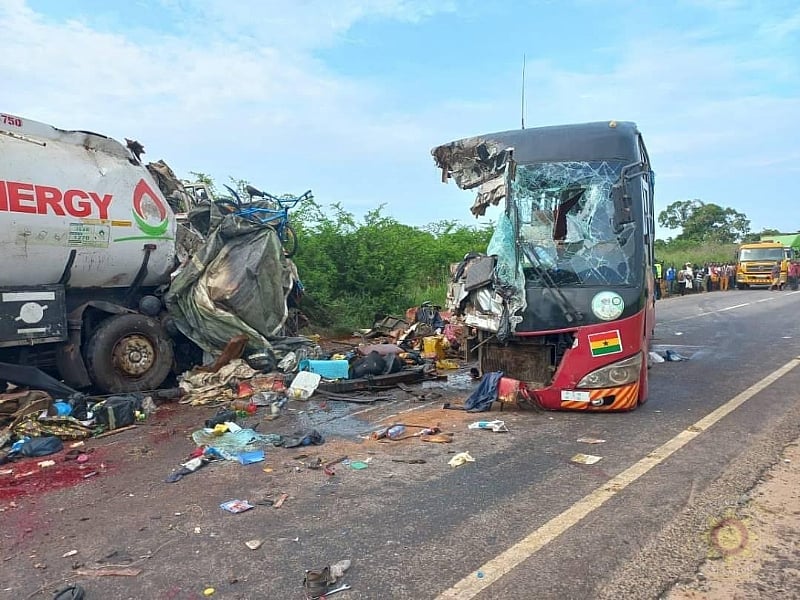
The scale of the problem Ghana faces makes the reforms urgent. Road deaths in Ghana rose by 65% between 2016 and 2021, reaching an annual toll of nearly 3,000 and producing a fatality rate of about 26 deaths per 100,000 population—well above the WHO African regional average and the global average. These statistics are not abstract numbers; they represent families, livelihoods, and a national development challenge that undermines economic progress and public health.
At the heart of the new law are evidence-based measures that target the leading causes of fatal crashes. The legislation mandates the use of child car seats tailored to a child’s age, height, weight, and physical vulnerabilities—an intervention proven to dramatically reduce fatalities among infants and young children. Research shows that properly used child restraints can reduce deaths by up to 71% for younger infants, and WHO has produced guidance to help decision-makers implement effective occupant restraint policies. These rules are designed to protect the most vulnerable road users and to make child safety a standard part of vehicle travel in Ghana.
Another major pillar of the reforms is the tightening of drink-driving laws. Ghana has lowered the legal blood alcohol concentration (BAC) limit for drivers from 0.08 g/dL to 0.05 g/dL, bringing the country into line with most WHO recommendations. This change reflects a global consensus that lower BAC limits reduce the risk of fatal crashes and save lives. Studies in low- and middle-income countries show that between 33% and 69% of drivers killed in collisions had consumed alcohol, proving how critical stricter enforcement and public awareness are to preventing needless deaths.
Motorcycle riders account for roughly one-third of road deaths in Ghana, and the new law addresses this by requiring all riders to wear safe, high-quality helmets. High-quality helmets reduce the risk of death in a crash by more than six times, making helmet standards and enforcement a cost-effective, high-impact intervention. The law’s helmet provisions are paired with standards that aim to ensure helmets sold and used in Ghana meet international safety benchmarks, closing a gap that has long contributed to preventable head injuries and fatalities.
These legal changes did not happen in isolation. Ghana’s reforms were shaped with technical support from WHO and partners including the Bloomberg Philanthropies Initiative for Global Road Safety, which has helped more than 60 countries since 2007 to strengthen laws on speed, drink-driving, seatbelts, child restraints, and helmets. The timing of Ghana’s progress is strategic: it comes ahead of the United Nations High-Level Meeting on Improving Global Road Safety, where leaders will discuss accelerating action to meet the global goal of halving road deaths and injuries by 2030. The new law positions Ghana as a committed actor in that global effort.
For policymakers and implementers, the law’s success will depend on coordination, enforcement, and public education. Good laws are necessary but not sufficient; they must be backed by consistent enforcement, accessible safety products, and campaigns that change behavior. Ghana’s approach—linking legal reform with standards for child restraints and helmets and lowering drink-driving limits—creates a comprehensive framework. To translate the law into fewer deaths, Ghana will need investments in enforcement capacity, affordable and certified safety equipment, and community-level outreach that explains why these measures matter for every family and commuter.
The economic case for action is compelling. Road crashes impose heavy costs on health systems, emergency services, and national productivity. Reducing fatalities and serious injuries through proven interventions—seatbelts, child restraints, helmets, speed management, and drink-driving enforcement—yields high returns in saved lives and reduced healthcare burdens. For businesses, safer roads mean fewer disruptions, lower insurance costs, and a more reliable workforce. For communities, safer streets mean children can travel to school and parents can work without the constant fear of preventable tragedy.
Public engagement will be essential. Effective campaigns should combine clear legal messaging with practical guidance: how to choose the right child car seat for a child’s age and size, how to ensure a helmet fits correctly and meets safety standards, and why even small amounts of alcohol can impair driving. Partnerships with civil society, transport unions, schools, and media outlets can amplify these messages. “Good laws and policies, strong leadership, coordination and enforcement are key to building safe transport systems that prioritize people and safety,” Dr Braka emphasized, highlighting the multi-stakeholder effort required to make the law meaningful on the ground.
Implementation challenges are real but surmountable. Affordability and availability of certified child restraints and helmets must be addressed so that compliance is not limited to wealthier households. Local manufacturers and importers can be incentivized to meet standards, while subsidies or voucher programs could help low-income families access life-saving equipment. Enforcement strategies should be fair and focused on education first, with penalties that escalate for repeat violations. Data systems must be strengthened to monitor progress, identify hotspots, and measure the law’s impact on injuries and fatalities over time.
Ghana’s reforms also offer lessons for other countries facing similar road safety crises. The combination of legislative alignment with WHO guidance, targeted standards for vulnerable road users, and a focus on drink-driving and helmet quality creates a replicable model. Countries that pair legal reform with capacity building, public education, and partnerships with global initiatives can accelerate progress and protect children and young people—who are disproportionately affected by road crashes worldwide. There are nearly 1.2 million road traffic deaths globally each year, and crashes are the leading cause of death among people aged 5–29, making national action a global priority.

What should citizens expect in the months ahead? Enforcement campaigns will likely increase, with checkpoints and inspections to ensure compliance with the new BAC limit and helmet and child restraint standards. Retailers and importers will be scrutinized for the quality of helmets and child seats they sell. Public health and transport agencies will roll out educational materials and community outreach to explain the changes and how families can comply. Over time, if enforcement is consistent and safety products are accessible, Ghana should see a measurable decline in road deaths and serious injuries.
Ghana’s legislative update is a powerful example of how evidence-based policy can protect lives. It demonstrates political will, international collaboration, and a commitment to aligning national law with global best practices. The path ahead requires sustained effort, but the potential payoff—fewer funerals, healthier families, and safer communities—is enormous. As the country implements these measures, the world will be watching to learn how legal reform, enforcement, and public engagement can combine to cut road deaths and meet the global target of halving road fatalities by 2030.
“Child safety restraints have been shown to reduce deaths in crashes by up to 71% among younger infants,” WHO guidance notes, and that statistic should be a rallying cry for action across Ghana and beyond. The new law gives Ghana the legal tools; now the work of turning policy into practice begins. This is a pivotal moment for Ghana. The combination of legal reform, international support, and public engagement can transform road safety outcomes and save thousands of lives in the years ahead.
Source: Ghana’s New Traffic Law to Boost Road Safety | Mirage News