

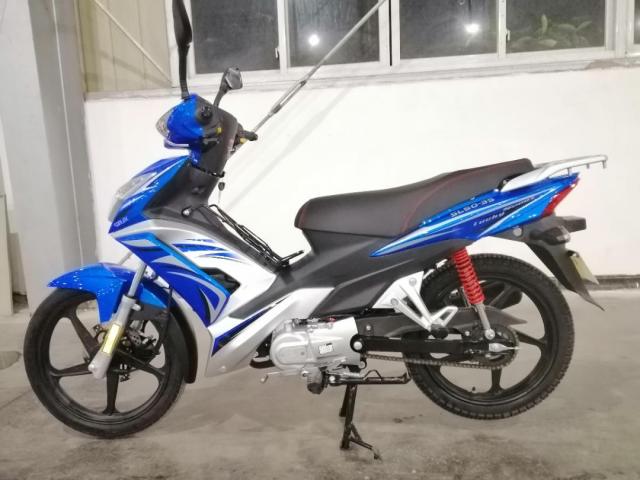
The story of healthcare in Ghana has always been one of resilience, innovation, and community-driven solutions. In November 2025, a significant milestone was reached when the Global Fund and the United Nations Office for Project Services (UNOPS) handed over 486 motorcycles to the Ghana Health Service. This initiative, part of the Sub-District Strengthening Initiative (SDSI), represents more than just the delivery of vehicles; it is a powerful symbol of how mobility can transform access to healthcare in underserved communities.
The motorcycles are not arriving in isolation. They form part of a broader package of more than 20,000 medical and non-medical items being procured to strengthen the Community-Based Health Planning and Services (CHPS) system across ten regions. These motorcycles are equipped with protective gear and health screening tools such as blood pressure monitors, malaria test kits, tuberculosis test kits, and HIV test kits. Their distribution to CHPS zones in Greater Accra, Ashanti, Bono, Volta, and Oti regions is expected to directly improve transportation for Community Health Officers, particularly in hard-to-reach areas where the absence of reliable mobility has long been a barrier to care.
At the handover ceremony, Mrs. Linda Agbesi, Acting Head of UNOPS in Ghana, described the event as “a milestone to improve primary healthcare delivery in the country.” She emphasized that UNOPS was proud to support the SDSI, which builds on the foundation of the CHPS model to expand essential services to underserved communities.
Her words carried weight, as she reminded the audience that “this initiative contributes to Ghana’s broader commitment to achieving Sustainable Development Goal three, ensuring healthy lives and promoting well-being for all.” The statement reflects the global vision of healthcare equity, but in Ghana’s context, it is also a practical step toward bridging the gap between rural populations and essential medical services.
The Deputy Director-General of the Ghana Health Service, Dr. Caroline Amissah, highlighted the transformative potential of the motorcycles. She explained that “these motorbikes will ensure prompt access to healthcare irrespective of a patient’s geographical location, they will support home visits, outreach services and effective defaulter tracing.” Her remarks point to the critical role of mobility in preventive healthcare. Without the ability to reach patients in their homes or communities, health officers are limited in their capacity to provide early interventions, monitor maternal and child health, or follow up with patients who may otherwise slip through the cracks of the healthcare system.
Dr. Robert Amesiya, Greater Accra Regional Director of Health, echoed this sentiment, describing transport support as “key to attaining primary healthcare in Ghana.” He assured donors that the motorcycles would be well maintained and put to good use, noting that they would “contribute greatly to improving community engagement and service delivery.” His assurance reflects a recognition that donor support must be matched with accountability and sustainability. The provision of equipment is only the first step; ensuring its effective use and maintenance is what guarantees long-term impact.

The SDSI, financed by the Global Fund and implemented with technical and procurement support from UNOPS, is not limited to motorcycles. It also includes the procurement of cold chain equipment, hospital furniture, diagnostic tools, contamination prevention supplies, and home-visit kits for CHPS facilities nationwide. This comprehensive package is designed to address gaps in equipment, logistics, and service delivery at the sub-district level. By strengthening community health systems, the initiative aims to accelerate Ghana’s progress toward Universal Health Coverage.
The significance of this intervention cannot be overstated. In many rural areas of Ghana, healthcare workers face daunting challenges in reaching patients. Roads are often poor, distances are long, and public transportation is unreliable or nonexistent.
For a pregnant woman in a remote village, the difference between life and death can hinge on whether a health officer has the means to reach her in time. For a child suffering from malaria, early diagnosis and treatment are critical, and delays can be fatal. Motorcycles, therefore, become more than machines; they are lifelines that connect communities to the healthcare system.
The initiative also reflects a broader philosophy of healthcare delivery that prioritizes community engagement. By equipping health officers with mobility and tools, the program empowers them to conduct home visits, organize outreach services, and strengthen preventive care. This approach aligns with the CHPS model, which has long emphasized the importance of bringing healthcare to the doorstep of the community rather than waiting for patients to come to distant facilities.
Moreover, the provision of motorcycles contributes to equity in healthcare. Urban centers often benefit from better infrastructure and easier access to hospitals and clinics, while rural communities are left behind. By targeting CHPS zones in regions such as Bono, Volta, and Oti, the initiative ensures that resources reach those who need them most. It is a deliberate effort to close the gap between urban and rural healthcare delivery.

The words of Mrs. Agbesi, Dr. Amissah, and Dr. Amesiya capture the spirit of the initiative. They remind us that healthcare is not only about medicines and hospitals but also about logistics, mobility, and the ability to reach people where they are. As Mrs. Agbesi noted, UNOPS remains committed to supporting the full life-cycle of the equipment provided and ensuring that the items reach beneficiary facilities. This commitment is crucial, as the success of the initiative depends on effective distribution, training, and monitoring.
Looking ahead, the impact of the motorcycles will be measured not only in kilometers traveled but in lives saved, communities reached, and trust built between health officers and the populations they serve. The SDSI represents a model of partnership between international donors and national institutions, showing how targeted investments can strengthen systems and deliver tangible benefits.
In the broader narrative of Ghana’s healthcare journey, the arrival of these motorcycles is a chapter of hope. It is a reminder that progress is possible when resources are aligned with needs, when communities are prioritized, and when health officers are empowered to do their work effectively. As Dr. Amissah observed, improving mobility for frontline health workers is essential to sustaining gains in maternal, child, and community health. That statement resonates deeply, for it captures the essence of healthcare: the ability to reach, to serve, and to protect life.
Ultimately, the motorcycles are more than donations; they are instruments of change. They symbolize a commitment to equity, a recognition of the challenges faced by rural communities, and a practical solution to the barriers of distance and isolation. In the words of Dr. Amesiya, “we are happy to receive these motorbikes because they will contribute greatly to improving community engagement and service delivery.” That happiness is shared not only by health officers but by the countless families who will benefit from timely care, preventive services, and the reassurance that healthcare is within reach.
The initiative is a step toward Universal Health Coverage, but it is also a testament to the power of partnership, vision, and practical action. As Ghana continues its journey toward a stronger healthcare system, these motorcycles will ride into villages, towns, and communities, carrying with them not just health officers but the promise of healthier lives and brighter futures.
Source: Ghana Health Service receives motorcycles to boost primary healthcare | Ghana News Agency