

Ghana is entering a new era of healthcare transformation, one defined by sovereignty, innovation, and evidence-based policy. The recent meetings convened in Accra by the Alliance for Health Policy and Systems Research brought together national leaders, researchers, and international partners to reflect on progress and chart the future of health reforms. With more than twenty-five research grantees funded in Ghana over the past decades, the gathering was both a celebration of achievements and a call to action for sustaining momentum in health systems strengthening.
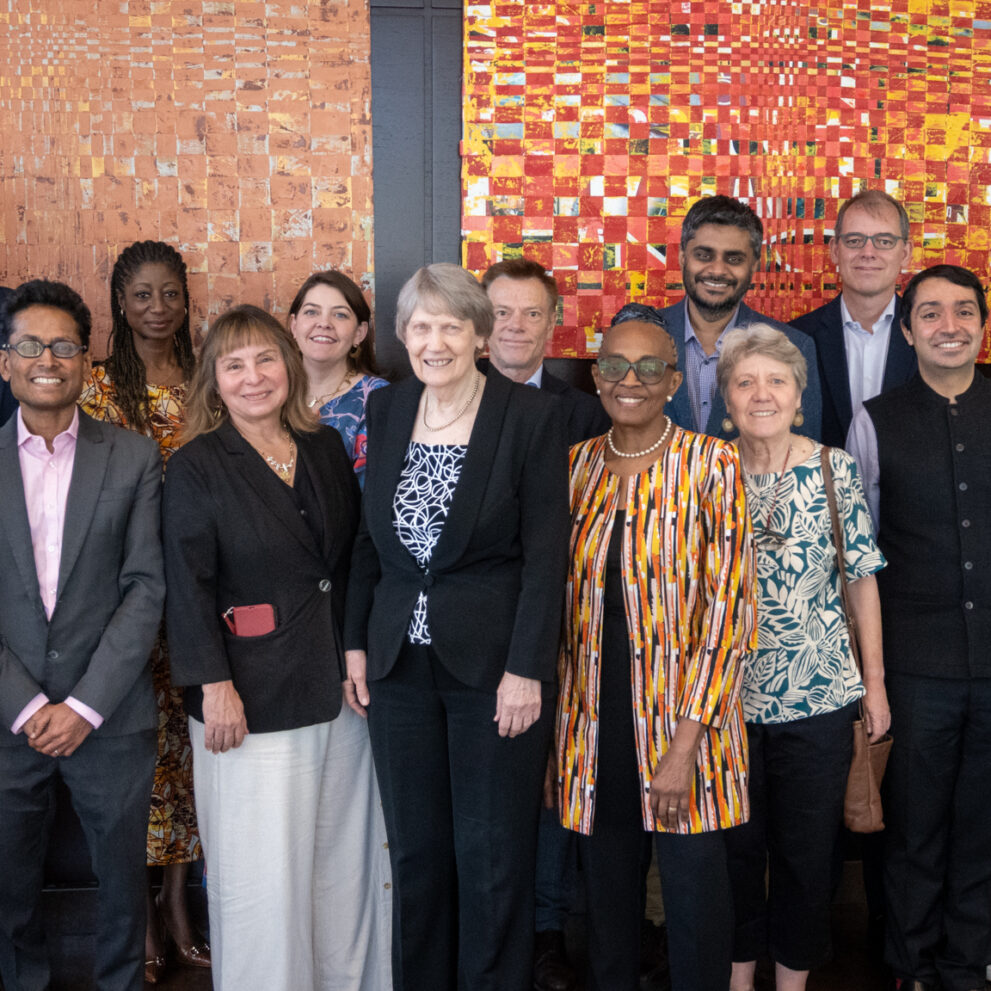
The Alliance Board’s annual in-person meeting in Accra highlighted the country’s determination to design, finance, and implement national health priorities through equitable, country-led partnerships. Welcoming Dr. Matshidiso Moeti, former WHO Regional Director for Africa, as its newest member, the Board approved the workplan and budget for 2026/27 while acknowledging the challenges facing global health.
Members emphasized the importance of supporting national research ecosystems and locally led agendas that translate evidence into policy and practice. Professor Helen Schneider, concluding her term as Chair of the Scientific and Technical Advisory Committee, was thanked for her leadership in advancing these goals.
High-level discussions with Ghana’s Ministry of Health revealed the depth of reforms underway. The Honourable Minister for Health, Kwabena Mintah Akandoh, outlined significant measures to advance health sovereignty and equitable services. He explained, “We welcome partnership and assistance, but programmes in Ghana must be designed with us and reflect our priorities. Any initiative implemented in our country must be country-led.”
Among the reforms are the uncapping of the National Health Insurance Fund, the establishment of a dedicated noncommunicable disease fund, and structured agreements to manage health workforce migration. The Minister also highlighted efforts to boost local pharmaceutical production and integrate pharmacies and private providers into a blended payment model for primary care.
These reforms are not only about financing but also about building resilience in the face of global health challenges. By strengthening domestic pharmaceutical production, Ghana reduces dependency on external supply chains, ensuring that essential medicines remain accessible.
Integrating private providers into primary care creates a more inclusive system where patients can access services across different sectors. Structured agreements on workforce migration are equally critical, as they balance the need for international opportunities with the imperative of retaining skilled professionals within the country.

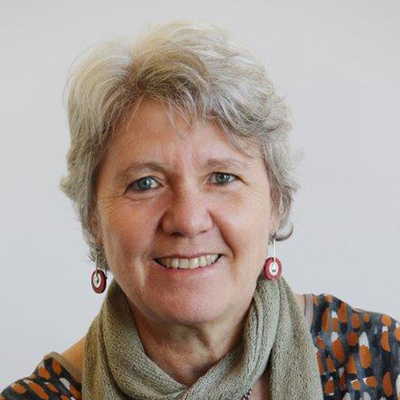
“ The work in Ga South shows how much we can learn from primary care teams who are adapting services to meet the growing burden of noncommunicable diseases and mental health conditions. These experiences are invaluable for shaping reforms – in Ghana and in many other countries facing similar challenges ”
Dr. Jeanette Vega
The Alliance delegation’s visit to Ga South provided a practical view of how reforms are being implemented at the district level. Health facilities showcased evolving data systems, community-based services, and facility management practices that support the reform agenda. Integration of care for noncommunicable diseases was particularly evident, reflecting Ghana’s commitment to addressing the growing burden of chronic conditions.
The convening of Ghana’s health policy and systems research community further reinforced the country’s tradition of embedding research within policy and service delivery. Dr. Caroline Reindorf Amissah, Deputy Director-General of the Ghana Health Service, emphasized, “Forums like this, which bring together researchers, policy-makers, implementers and communities, help to ensure that knowledge is not only generated but applied. Ghana’s success has been built on evidence and partnership.” She added that the future requires intentional efforts to link science to service, data to decisions, and evidence to equity.
Participants at the gathering included current and former Alliance grantees working on community-based primary care, health financing, leadership development, and health taxes. Their contributions demonstrated how long-term collaborations between the Ghana Health Service, universities, and national institutions have generated solutions to practical problems while building a cadre of leaders grounded in health policy and systems research.
Dr. Kumanan Rasanathan, Executive Director of the Alliance, reflected on this ecosystem, noting, “For many years, Ghanaian researchers and policy-makers have shown how locally led health policy and systems research can shape real reforms. As external funding becomes more uncertain, finding ways to protect and grow domestic investment in this community will be critical for navigating the next generation of health system changes.”
The discussions in Accra highlighted both achievements and opportunities. Ghana’s reforms in financing, primary health care, digital transformation, and health sovereignty are setting the stage for a stronger, more resilient system. Evidence remains central to navigating emerging challenges, ensuring that reforms are not only visionary but also practical. By co-producing knowledge with Ghanaian institutions, the Alliance aims to inform both national and global reforms, reinforcing Ghana’s role as a leader in health policy innovation.


The future of healthcare in Ghana depends on sustaining this momentum. By investing in data systems, strengthening research ecosystems, and ensuring that reforms are country-led, Ghana is building a foundation for health sovereignty that protects its citizens and inspires other nations. The message from Accra is clear: healthcare transformation is possible when evidence, partnership, and leadership converge. Ghana is showing the world that with determination and innovation, health systems can be reimagined to deliver equitable, high-quality care for all.
Source: Ghana’s health reform momentum on display as Alliance meets national leaders and researchers