
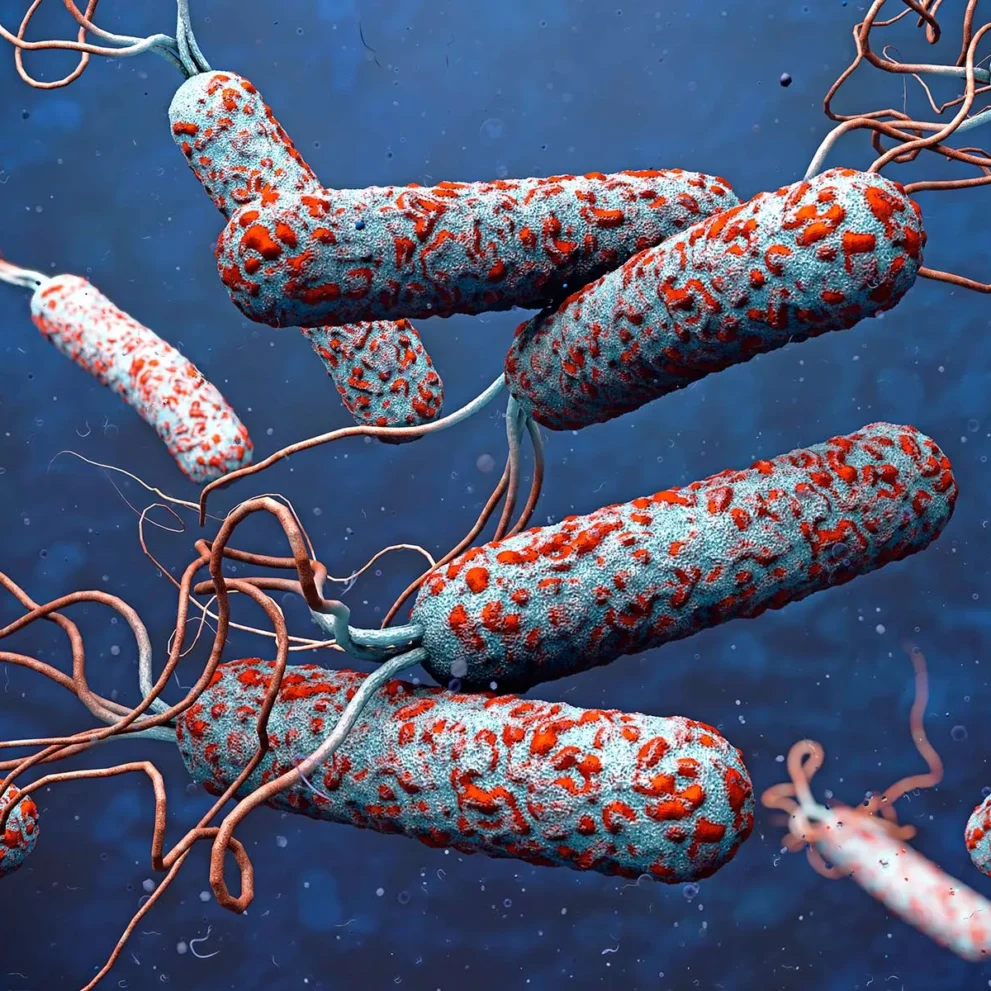
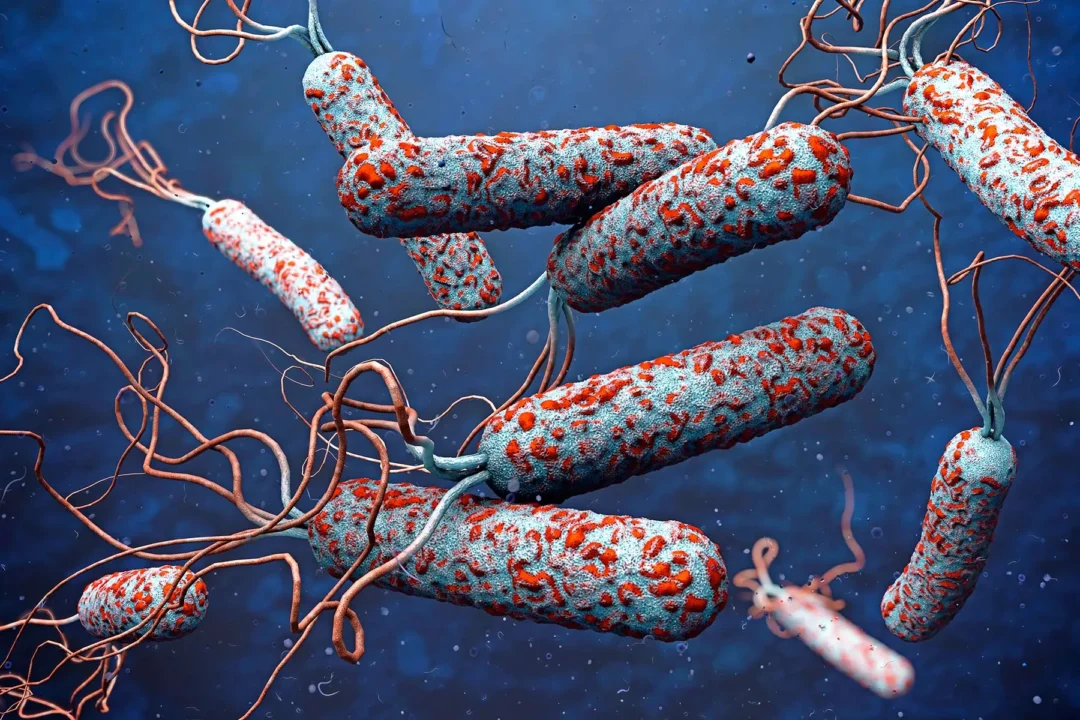
The Democratic Republic of the Congo is facing its most devastating cholera outbreak in a quarter of a century, with UNICEF reporting more than 64,427 cases and 1,888 deaths since the start of 2025. Children have been hit particularly hard, accounting for nearly one in four infections, with 14,818 cases and 340 deaths among minors. The outbreak has disrupted education, torn through orphanages, and left families grieving. In one tragic incident, 16 of 62 children in a Kinshasa group home died within days after the disease spread rapidly through the facility.
UNICEF’s Representative in DRC, John Agbor, expressed deep concern about the preventable nature of the crisis. His words highlight the urgent need for systemic reforms to address the root causes of cholera transmission. Seventeen of the country’s 26 provinces, including the capital Kinshasa, are currently affected.
The share of child cases varies by province but averages around 23.4 percent nationwide. The persistence of cholera is driven by limited access to clean water and sanitation. According to the 2024–2025 Demographic and Health Survey, only 43 percent of the population uses at least basic water services—the lowest rate in Africa—and just 15 percent have access to basic sanitation. These figures reveal the structural vulnerabilities that make outbreaks inevitable and deadly.
The crisis is compounded by multiple factors: conflict and displacement in eastern DRC restrict access to health services; heavy rains and flooding damage fragile water and sanitation infrastructure; and rapid, unplanned urbanization has led to overcrowded cities with overwhelmed hygiene systems. In Kinshasa, where cholera was previously rare, low awareness and delays in care-seeking have contributed to exceptionally high fatality rates. These conditions create a perfect storm for cholera to spread unchecked, leaving communities exposed and health systems overstretched.
The government has attempted to respond with initiatives such as the Multisectoral Cholera Elimination Plan (PMSEC) 2023–2027, which carries a proposed budget of $192 million. However, the plan remains woefully underfunded, and a mid-term evaluation in May 2025 called for increased investments and stronger coordination. More recently, authorities launched the “River Congo without cholera” initiative to address sanitation gaps at ports, improve hygiene on boats, and ensure access to drinking water along the river. These efforts are important but require sustained funding and international support to succeed.
UNICEF is working across multiple sectors to prevent and respond to cholera. Rapid response teams are deployed using the Case-Area Targeted Intervention (CATI) approach, which delivers swift, targeted actions to households surrounding confirmed cases. UNICEF also supports cholera treatment centers, strengthens water and sanitation structures in schools and health facilities, and leads community engagement campaigns. Between January and October 2025, more than 13.5 million people were reached with information on cholera prevention and response.
Despite these efforts, funding remains fragile. UNICEF has appealed for $6 million in 2026 to sustain the CATI mechanism and ensure rapid responses to outbreaks. Agbor warned, “The funding pipeline for 2026 looks very fragile, and without additional funds and coordinated action, many more lives could be lost.” This statement underscores the urgency of mobilizing resources to prevent further tragedy.
The human toll of this outbreak is devastating. Families are losing children, schools are disrupted, and communities are living in fear of a disease that should no longer claim lives in the 21st century. The tragedy in Kinshasa’s orphanage is emblematic of the wider crisis:
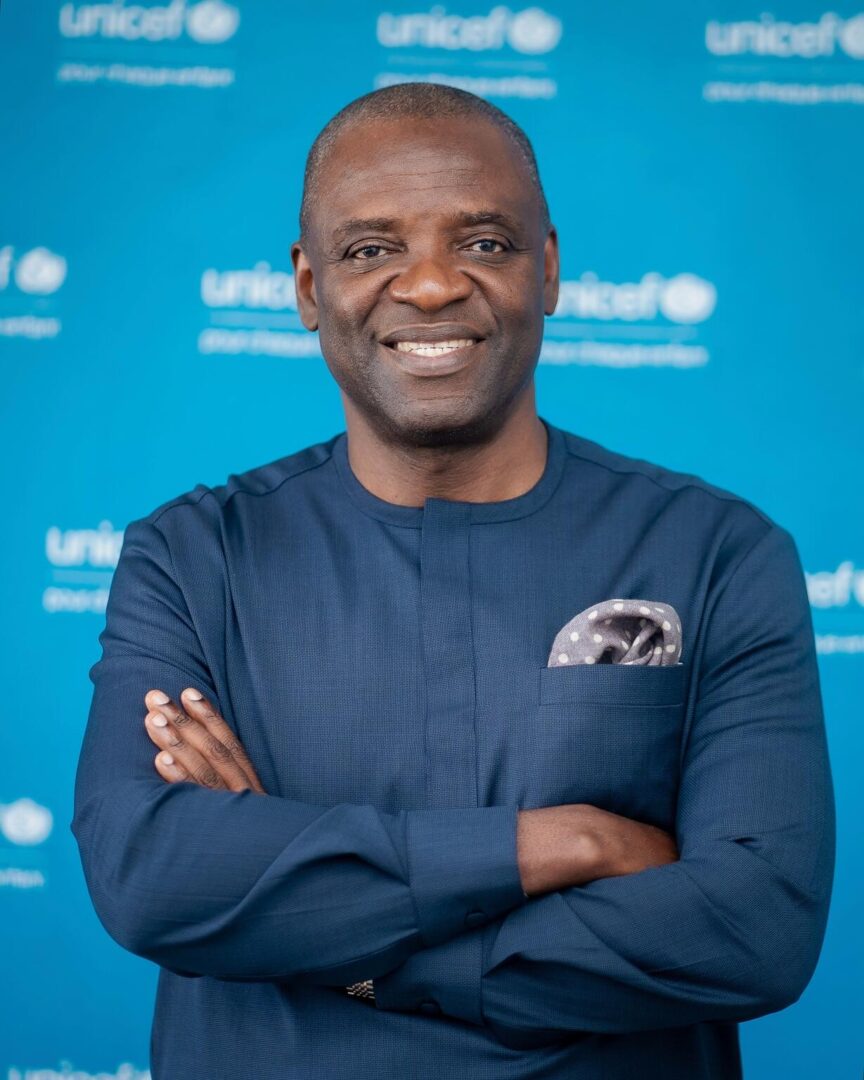
“ Congolese children should not be so gravely affected by what is a wholly preventable disease. UNICEF encourages our government partners to increase investments in water, sanitation, hygiene and health services, especially in established cholera hotspots, to better protect the health and wellbeing of Congolese families and children ”
UNICEF’s Representative in DRC, John Agbor
preventable deaths occurring because of systemic neglect. The solution lies in sustained investment in clean water, sanitation, and health services, combined with community education and rapid response mechanisms.
In conclusion, the Democratic Republic of the Congo’s cholera outbreak is a stark reminder of the consequences of underinvestment in basic infrastructure. With nearly 2,000 lives lost in 2025, the country is facing a preventable public health emergency that demands urgent action. UNICEF’s call for increased funding and stronger government commitment must be heeded, not only to save lives today but to build resilience for the future. Cholera is preventable, and with the right investments, Congo can turn this crisis into a turning point for health and dignity.
Source: Democratic Republic of the Congo cholera outbreak is declared country’s worst in 25 years