


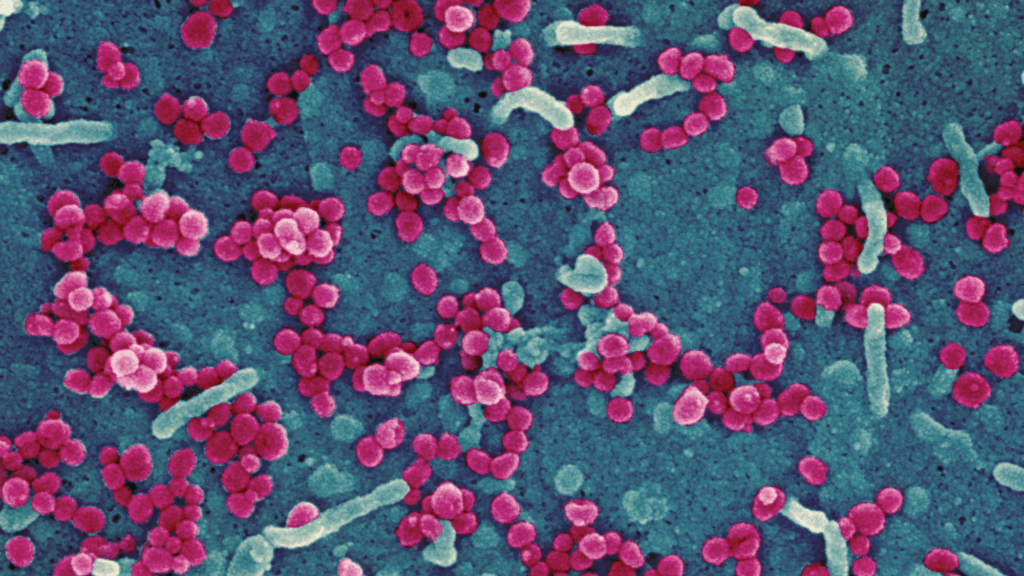
Nigeria is facing a growing public health crisis as Lassa fever continues to claim lives across the country in 2025. According to the Nigeria Centre for Disease Control and Prevention (NCDC), 176 people from 21 states have died from the disease this year, with 955 confirmed cases out of 8,367 suspected infections. While the number of confirmed cases is lower than in 2024, fatalities have increased, pushing the case-fatality rate to 18.4 percent compared to 16.6 percent during the same period last year. This alarming trend highlights the urgent need for stronger health systems, improved sanitation, and earlier medical intervention to prevent further loss of life.
“ The deaths are likely due to poor healthseeking behavior among patients who seek medical intervention too late, as well as poor environmental sanitation in affected communities ”
NCDC
The NCDC has pointed to poor health-seeking behavior and inadequate environmental sanitation as key drivers of the rising death toll. Many patients delay seeking medical care until the disease has progressed, reducing their chances of survival. This statement reflects the dual challenge of behavioral and infrastructural barriers that continue to fuel the spread of Lassa fever.
Epidemiological data show that 88 percent of all confirmed cases have been reported from just four states—Ondo, Bauchi, Edo, and Taraba—while the remaining 12 percent are spread across 17 other states. Adults between the ages of 21 and 30 years represent the largest group of infections, underscoring the vulnerability of young adults who are often active in communities where rodent exposure is common. The Lassa virus is endemic in West Africa and spreads primarily through contact with the urine or droppings of infected rodents. Though less common, person-to-person transmission can occur through direct contact with blood, body fluids, mucous membranes, or sexual contact.
The rising fatalities linked to Lassa fever are a stark reminder of the need for urgent public health interventions. Strengthening sanitation systems, improving awareness campaigns, and ensuring timely access to medical care are critical steps. The NCDC’s findings emphasize that without these measures, the disease will continue to spread and claim lives. The case-fatality rate of nearly one in five patients is a devastating statistic that reflects both the virulence of the virus and the weaknesses in Nigeria’s health infrastructure.
Globally, Lassa fever has attracted increasing attention as part of the broader fight against viral hemorrhagic fevers. International health organizations have warned that endemic diseases like Lassa fever could escalate into larger outbreaks if not properly managed. Nigeria’s experience in 2025 demonstrates how fragile health systems can be overwhelmed by preventable diseases when sanitation and early intervention are lacking. The situation also raises concerns about the potential for cross-border transmission, given the mobility of populations in West Africa.
The human toll of this outbreak cannot be ignored. Families across Ondo, Bauchi, Edo, and Taraba are mourning loved ones, while communities grapple with fear and uncertainty. Health workers are under immense pressure to respond, often with limited resources. The NCDC’s data reveal the scale of the challenge, but they also provide a roadmap for action. By targeting interventions in the most affected states, improving sanitation, and encouraging early medical care, Nigeria can begin to reverse the trend.
The lessons from this outbreak extend beyond Nigeria. Other countries in West Africa must also strengthen their surveillance systems, invest in sanitation, and prepare for potential outbreaks. Lassa fever is not confined by borders, and regional cooperation will be essential to contain its spread. International partners can support these efforts by providing funding, technical expertise, and medical supplies.
In conclusion, the rising death toll from Lassa fever in Nigeria in 2025 is a public health emergency that demands urgent action. With 176 lives already lost and a case-fatality rate of 18.4 percent, the stakes are high. As the NCDC has warned, poor health-seeking behavior and inadequate sanitation are fueling the crisis. The time to act is now. By investing in sanitation, awareness, and timely medical care, Nigeria can save lives and prevent future outbreaks. The world is watching, and the response will determine whether Lassa fever remains a localized tragedy or evolves into a broader epidemic threatening global health security.
Source: Lassa fever’s death toll in Nigeria climbs in 2025 | CIDRAP