

Nigeria’s public health system faced one of its most challenging years in 2025 as multiple infectious diseases surged across the country, testing the resilience of health infrastructure and exposing gaps in immunization, sanitation, and surveillance. From viral hemorrhagic fevers to vaccine-preventable illnesses, the year revealed both the persistence of endemic threats and the urgent need for stronger health systems.
Lassa fever remained one of the deadliest outbreaks. According to the Nigeria Centre for Disease Control and Prevention (NCDC), as of December 7, 2025, there were 1,069 confirmed cases across 21 states, with 195 deaths, reflecting a case fatality rate of 18.2 percent. This was higher than levels seen in previous years. The most affected states included Ondo, Edo, Bauchi, and Taraba. The NCDC explained that the disease continues to thrive due to rodent exposure and gaps in early diagnosis and treatment. The agency noted that “limited access to early diagnoses led to dire outcomes for conditions such as Lassa fever.”
Diphtheria also surged, making Nigeria the country with the highest number of cases in Africa. The World Health Organization reported over 12,150 suspected cases and 8,587 confirmed cases, resulting in 884 deaths between January and November 2, 2025. The outbreak spanned 30 states and 240 local government areas, disproportionately affecting children and adolescents in communities with low immunization coverage. Reactive vaccination campaigns were launched in priority states such as Imo, Kaduna, and Lagos, but shortages and information gaps limited their effectiveness. WHO stressed that “a significant lack of routine immunisation programmes meant that millions, especially children, were left vulnerable to diseases that could have easily been prevented.”
Mpox, though no longer a global headline after the 2022 outbreak, continued to spread in Nigeria. By October 18, 2025, WHO data showed 389 confirmed cases and six deaths across 35 states and the Federal Capital Territory. While the number of deaths was lower compared to Lassa fever or diphtheria, the continued transmission highlighted the importance of community awareness and surveillance.


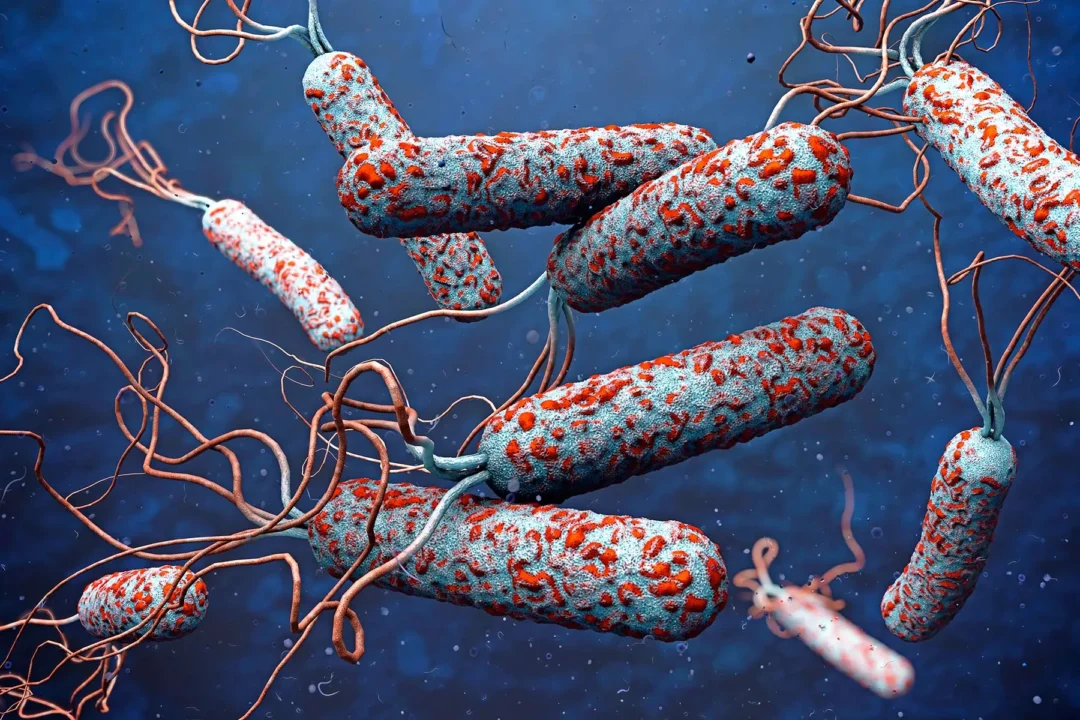
Cholera, a water-borne diarrhoeal disease, also posed a major threat. Between January and September 14, 2025, Nigeria recorded 10,353 suspected cases and 244 deaths across 37 states. Children under five years of age were the most affected, followed by those aged five to 14 years. UNICEF reported that Nigeria had the second highest cholera burden in West and Central Africa, particularly affecting children. Flooding, inadequate sanitation, and limited access to clean water fueled the spread. UNICEF emphasized that “cholera remained endemic in Nigeria and continued to affect children disproportionately.”
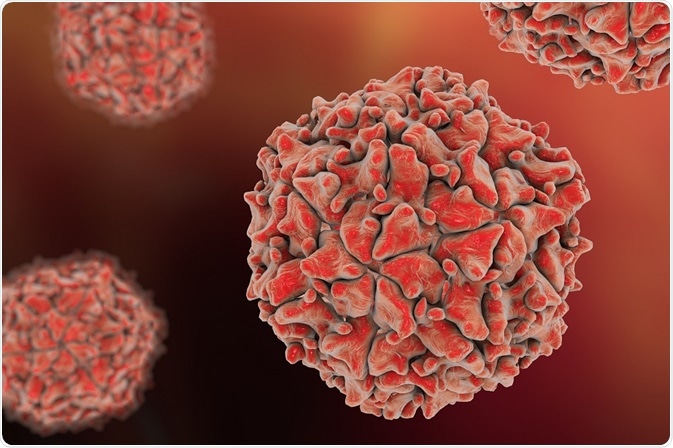
Polio, though declared eliminated in its wild form in 2020, resurfaced in 2025 through circulating vaccine-derived poliovirus type 2 (cVDPV2). Nigeria recorded 66 cases across 12 states as of October. While this represented a decline compared to previous years, the outbreaks revealed vulnerabilities in under-immunized communities. The NCDC explained that these unusual outbreaks are caused by weakened poliovirus used in oral vaccines that can mutate and spread.
The recurring theme across these outbreaks was the fragility of Nigeria’s health systems. Poor routine immunization coverage left millions vulnerable to preventable diseases. Limited access to early diagnosis and treatment worsened outcomes for conditions like Lassa fever. Weak water and sanitation infrastructure created fertile ground for cholera. Overwhelmed health facilities, shortages of essential medicines, and inadequate surveillance systems hampered early detection and response. As WHO noted, “when people sought healthcare, it often came too late, and limited access to early diagnoses led to dire outcomes.”
In conclusion, 2025 revealed the scale of Nigeria’s public health challenges. With Lassa fever claiming nearly 200 lives, diphtheria killing hundreds of children, cholera devastating communities, mpox continuing to spread, and polio re-emerging, the country faces a complex web of threats. The solution lies in strengthening routine immunization, investing in sanitation and clean water, expanding surveillance, and ensuring timely access to healthcare. Nigeria’s experience in 2025 is a reminder that infectious diseases remain a formidable challenge, but with decisive action, investment, and community engagement, the country can protect its citizens and build a stronger, more resilient health system.-0
Source: Cholera, Lassa fever — Nigeria’s most challenging diseases of 2025 | TheCable