Teenage Pregnancy in South Africa: A Growing Crisis Amid New Year Celebrations
Nana Kwaku Ofori / 3 months
January 8, 2026
0
3 min read
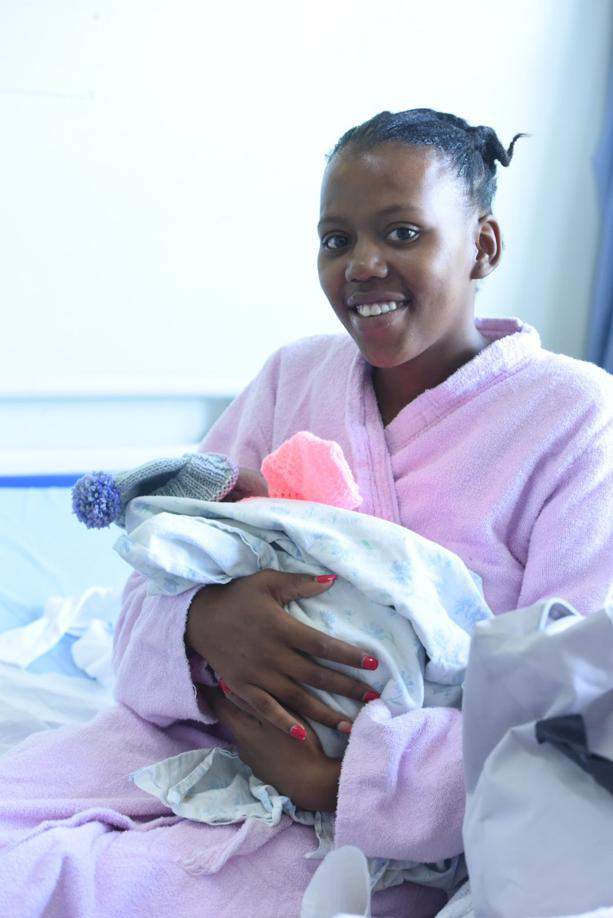
A South African teen mom with her Ney-Year-born baby
As South Africa welcomed the arrival of hundreds of newborns on New Year’s Day 2026, the celebrations were tempered by a troubling reality: a significant number of these births were to teenage mothers. Reports from provincial health departments revealed that mothers as young as 15 gave birth, highlighting the urgent need for stronger education, reproductive health services, and community support.
KwaZulu-Natal recorded 144 births by midday, with 21 of the mothers being teenagers. Among them were two 16-year-olds who delivered at Benedictine Hospital and Queen Nandi Regional Hospital. Health MEC Nomagugu Simelane expressed deep concern, stating, “What is also concerning is the fact that these girls were just 15 years old when they fell pregnant, which is absolutely shocking and concerning, because at that age, they are nowhere near ready to be mothers.” She emphasized that teenage pregnancies are not only a health issue but also a social challenge that affects education, economic opportunities, and long-term well-being.
In the Eastern Cape, Social Development MEC Bukiwe Fanta reported 102 babies born by 15:00 on January 1, with 23 of them delivered by teenage mothers aged 15 to 19.
Health MEC, Nomagugu Simelane
“ While we celebrate the joy of new life, we must also acknowledge the challenges that come with it, especially for young mothers. It is crucial that we provide adequate resources and support systems to ensure that these young women can successfully navigate motherhood while continuing their education and personal development ”
Social Development MEC, Bukiwe Fanta
Her remarks reflect the growing recognition that teenage pregnancy is both a public health and social development issue.
The Western Cape welcomed 28 New Year’s Day babies, including 17 boys and 11 girls. The first baby of the year was born at Mowbray Maternity Hospital at exactly midnight to mother Geneva Claasen. While these births were celebrated, officials noted that teenage pregnancies remain a pressing concern across the province. Similarly, the Free State reported 44 births by 15:00, with Bongani Regional Hospital recording the highest number.
The statistics reveal a disturbing trend. Teenage pregnancies are rising in several provinces, with health officials warning that young mothers face higher risks of complications during pregnancy and childbirth. They are also more likely to drop out of school, limiting their future opportunities. As Simelane noted, “These statistics are cause for deep concern, and highlight the ongoing need for education, guidance, and access to reproductive healthcare for teenagers.”
In the end, while the birth of New Year babies is a moment of joy and celebration, the rising number of teenage mothers in South Africa is a sobering reminder of the challenges facing the country’s youth. Addressing this crisis requires a multi-faceted approach that includes education, reproductive health services, community engagement, and policy interventions.
As Mrs. Fanta stressed, “We must equip our youth with the knowledge and skills they need to make informed choices. By doing so, we can help reduce the rates of teenage pregnancies and ensure that young mothers have access to the support they need.”The future of South Africa’s young women depends on decisive action today.