

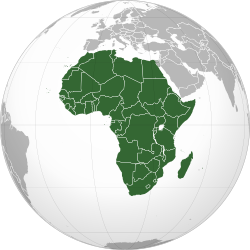


Africa is confronting a rapidly escalating public health crisis that demands immediate, coordinated action from governments, health agencies, donors, and communities. The Africa Centers for Disease Control and Prevention has reported a sharp rise in infectious disease events across the continent, moving from roughly two new outbreaks per week to an average of three new outbreaks weekly, with 167 outbreaks recorded across 42 African Union member states last year.
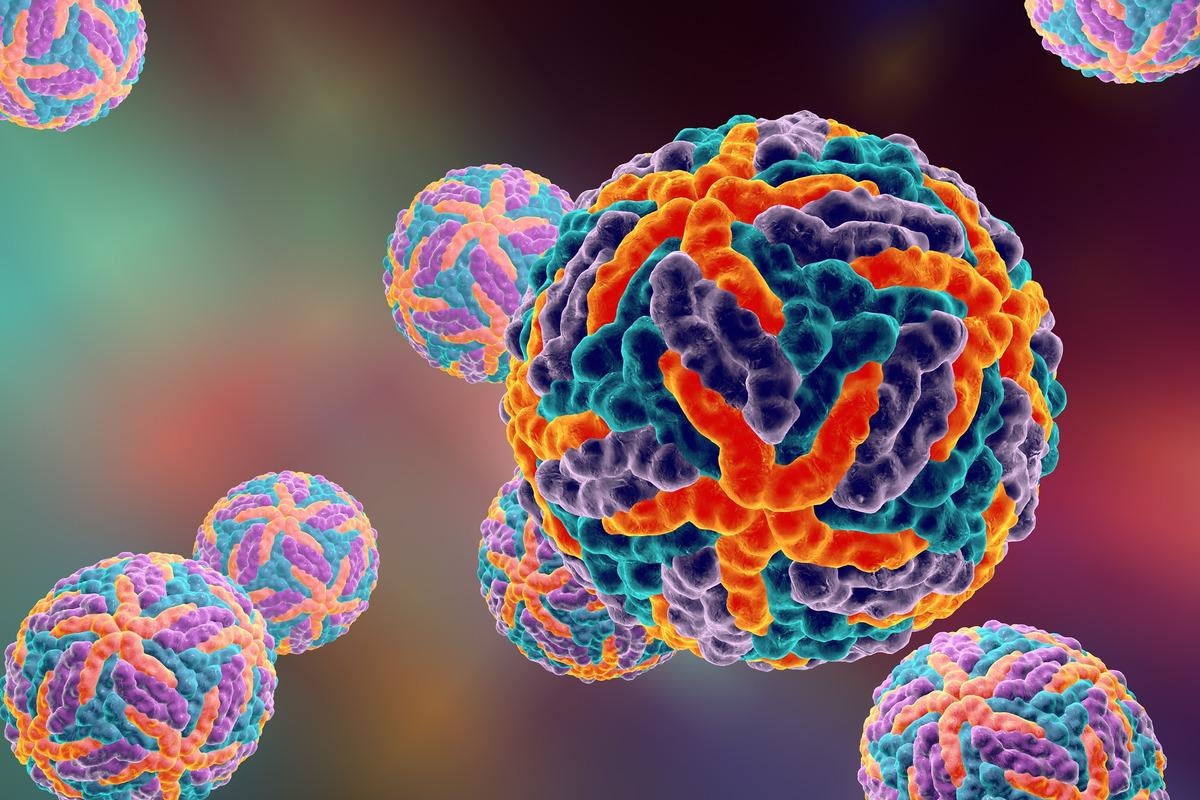
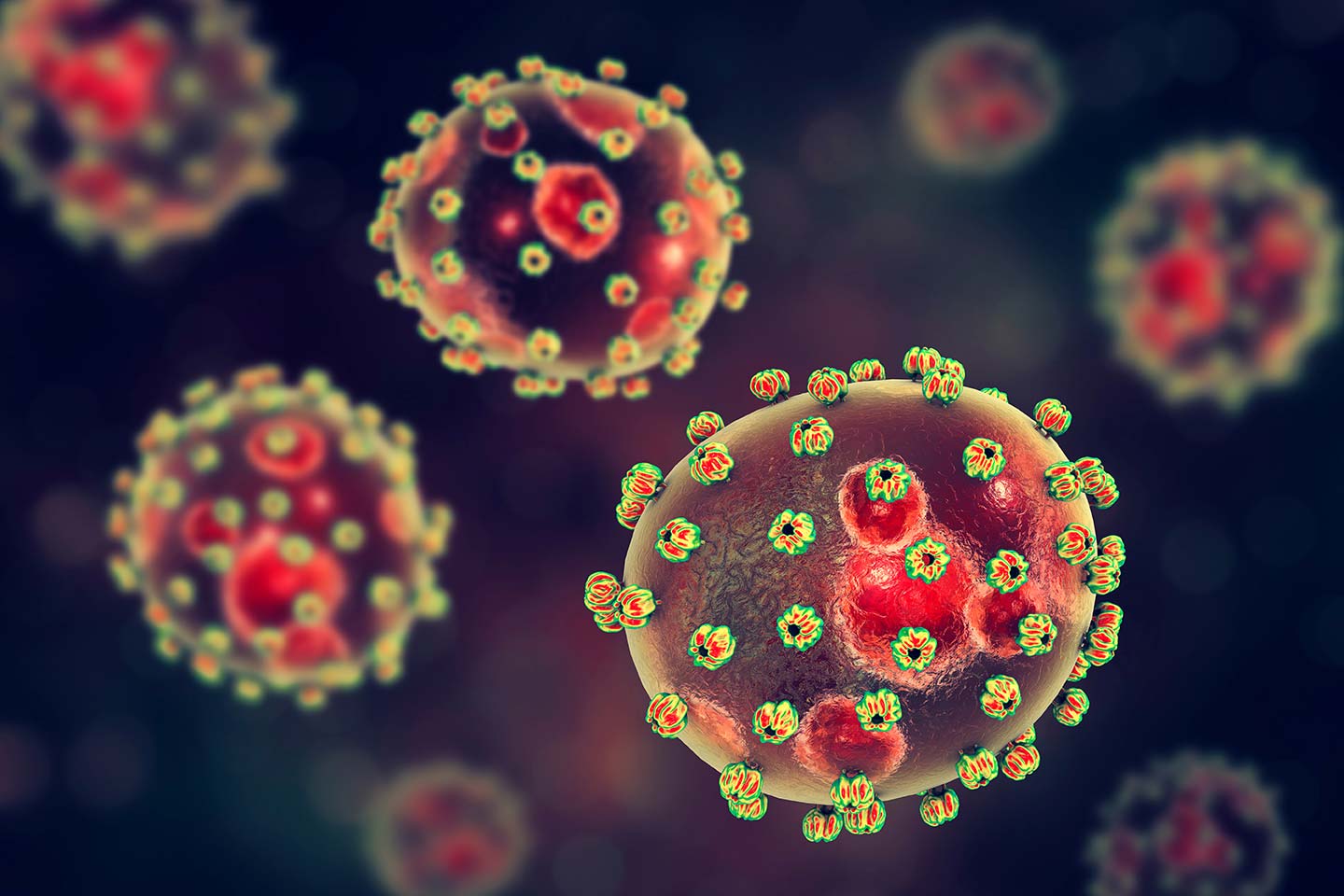
The most frequently reported threats are mpox, cholera, dengue, measles, and Lassa fever, which together account for the vast majority of cases and deaths. Since January 2022, Africa has recorded tens of thousands of mpox cases and more than a thousand deaths, while cholera has produced six-figure case counts and nearly two thousand deaths so far this year. These trends highlight a fragile public health landscape where surveillance gaps, limited resources, and competing crises are amplifying risk and undermining progress.
The scale and speed of these outbreaks make clear that traditional, fragmented responses are no longer sufficient. Outbreak frequency and geographic spread are increasing because of interconnected drivers: climate variability that expands mosquito habitats and waterborne disease risk, population displacement and urban crowding that accelerate transmission, gaps in routine immunization that leave communities vulnerable to measles and other vaccine-preventable diseases, and constrained laboratory and surveillance capacity that delay detection and response. When outbreaks occur more often, health systems are stretched thin, routine services are disrupted, and the economic and social toll multiplies. The result is a cycle where weakened health systems both cause and suffer from repeated emergencies, creating persistent vulnerability across regions.
Effective containment requires a shift from reactive emergency response to proactive epidemic preparedness and resilience building. Strengthening disease surveillance at national and community levels is essential: real-time reporting, integrated data platforms, and rapid laboratory confirmation shorten the time between detection and action. Investing in genomic surveillance and epidemic intelligence enables health authorities to track pathogen evolution and transmission patterns, improving targeting of interventions. Equally important is expanding vaccination coverage and preventive campaigns for measles and other vaccine-preventable diseases, while ensuring cold chain integrity and community trust to maximize uptake. For vector-borne threats like dengue, integrated vector management, environmental sanitation, and community-led source reduction are proven, cost-effective measures that reduce transmission risk.
Financing and resource mobilization must match the scale of the problem. Declaring a public health emergency of continental significance for the most pressing outbreaks can unlock funding, streamline international support, and mandate stronger notification and coordination among member states. When regional authorities elevate an outbreak to a continental emergency, it creates a legal and operational framework that can accelerate resource flows, harmonize cross-border measures, and strengthen supply chains for diagnostics, therapeutics, and vaccines. Donors and multilateral partners should prioritize flexible funding that supports surge capacity, workforce training, and the procurement of essential supplies, while also investing in long-term health system strengthening to reduce future outbreak risk.

Community engagement and risk communication are central to successful outbreak control. Clear, culturally appropriate messaging that addresses misinformation, explains prevention steps, and promotes early care-seeking behavior saves lives. Local health workers and community leaders are trusted messengers; empowering them with training, protective equipment, and communication tools amplifies prevention efforts and improves case detection. In parallel, protecting health workers through vaccination, infection prevention and control measures, and psychosocial support preserves the workforce needed to sustain both emergency response and routine care.
Cross-sector collaboration multiplies impact. Public health cannot operate in isolation from water and sanitation, urban planning, agriculture, and climate adaptation sectors. Improving access to safe water and sanitation reduces cholera risk; urban planning that reduces overcrowding and improves waste management lowers vector breeding sites; agricultural and wildlife surveillance can detect zoonotic spillovers early. Integrating health considerations into national development planning and disaster risk reduction strategies creates synergies that reduce outbreak drivers and build resilience.
Technology and innovation offer powerful tools when deployed equitably. Mobile health platforms and community reporting apps can accelerate case notification and contact tracing. Geographic information systems and satellite data improve hotspot mapping and resource allocation. Rapid diagnostic tests and decentralized laboratory networks shorten the time to confirmation, enabling faster containment. However, technology must be paired with capacity building and sustainable financing to avoid creating parallel systems that collapse when donor projects end.
Policy and governance reforms are also necessary. Clear legal frameworks for outbreak reporting, cross-border coordination, and emergency procurement reduce bureaucratic delays. Strengthening national public health institutes and ensuring they have operational independence, stable funding, and strong leadership improves preparedness and response. Regional coordination mechanisms should be reinforced to facilitate information sharing, pooled procurement, and joint training exercises that build trust and interoperability among neighboring countries.
Private sector engagement can accelerate solutions. Pharmaceutical manufacturers, logistics companies, and technology firms can support vaccine production, cold chain logistics, and data platforms. Public-private partnerships that prioritize equitable access and affordability help ensure that innovations reach the communities that need them most. At the same time, transparency and accountability mechanisms must be in place to ensure that partnerships serve public health goals rather than narrow commercial interests.
Monitoring and evaluation are critical to learning and improvement. After-action reviews, independent evaluations, and transparent reporting of outcomes and expenditures help identify what works and where investments should be redirected. Data-driven decision making, informed by high-quality surveillance and operational research, enables adaptive responses that evolve with the epidemic landscape.
The human cost of repeated outbreaks is profound: lives lost, livelihoods disrupted, children missing school, and health systems diverted from routine care. Yet the crisis also presents an opportunity to transform public health across the continent. By prioritizing surveillance modernization, vaccination scale-up, community engagement, cross-sector collaboration, sustainable financing, and governance reform, African nations and their partners can reduce outbreak frequency, limit the severity of future epidemics, and protect the health and prosperity of millions.
Immediate steps that can be taken now include mobilizing emergency funding for surge response, expanding laboratory and genomic capacity, launching targeted vaccination and water-sanitation campaigns in high-risk areas, and activating regional coordination mechanisms to ensure rapid cross-border action. Long-term strategies should focus on building resilient health systems, integrating epidemic preparedness into national development plans, and investing in workforce development to sustain gains over time.
This moment calls for urgency, solidarity, and strategic investment. The pattern of increasing outbreaks is a clear signal that business as usual will not suffice. Bold, coordinated action that combines emergency response with durable system strengthening can turn the tide, reduce the frequency of outbreaks, and save lives across Africa. The time to act is now; the cost of delay will be measured in preventable illness and death.