

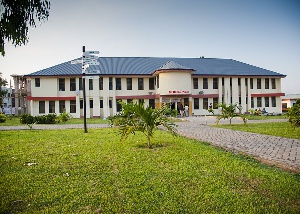
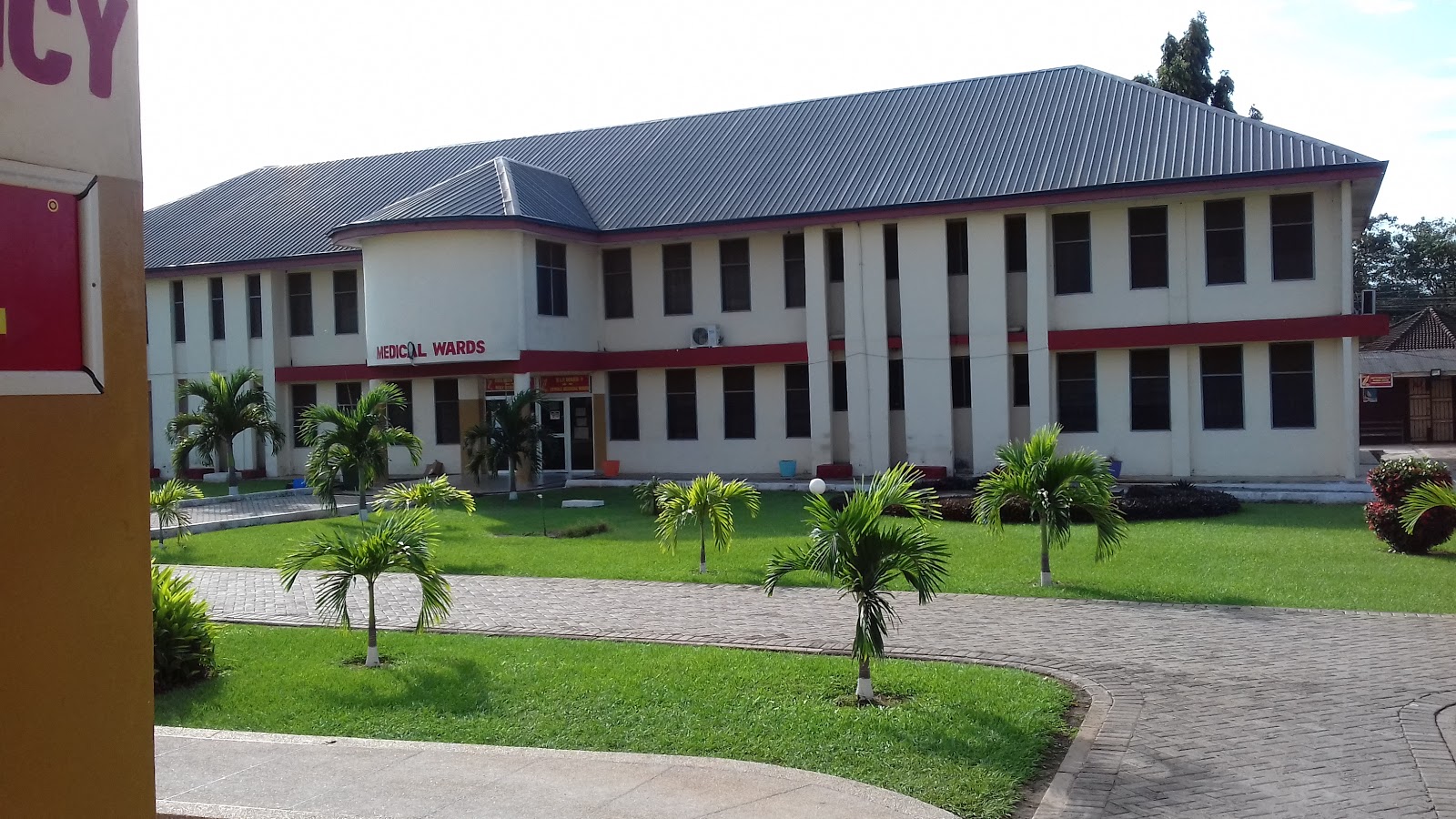
Manhyia Government Hospital in Kumasi has not recorded a single new case of leprosy in more than five years, a milestone that highlights the power of focused public health education, community engagement, and consistent disease surveillance. This achievement reflects a deliberate strategy by hospital leadership and disease control teams to prioritize awareness, early detection, and compassionate care—measures that together reduce transmission risk and dismantle the social stigma that often surrounds this ancient disease.
Leprosy, caused by the bacterium Mycobacterium leprae, remains a public health concern in parts of the world, but it is treatable and curable when identified early. The absence of new cases at a major regional facility like Manhyia is a clear indicator that targeted interventions—especially those that educate both health workers and the public—can dramatically change local disease patterns. The hospital’s disease control officer credits sustained sensitization campaigns aimed at clinicians and community members for the decline in reported cases.
World Leprosy Day, observed on the last Sunday of January each year, provides a global platform to celebrate resilience, promote early diagnosis, and call for the end of discrimination against people affected by leprosy. The 2026 theme, “Leprosy is curable, the real challenge is stigma,” captures the dual nature of the fight against the disease: medical treatment is available and effective, but social barriers often prevent people from seeking care early enough to avoid complications. This theme indicates why public education and stigma reduction are as essential as clinical services.
Understanding how leprosy spreads and what symptoms to watch for is central to early detection. While the exact transmission pathways are not fully understood, health professionals believe that prolonged close contact with an untreated person—through respiratory droplets when someone coughs or sneezes—can lead to infection. Casual contact such as brief handshakes, hugs, or sitting next to someone on public transport is not considered a significant risk. This distinction is important for reducing unnecessary fear and preventing social exclusion of affected individuals.

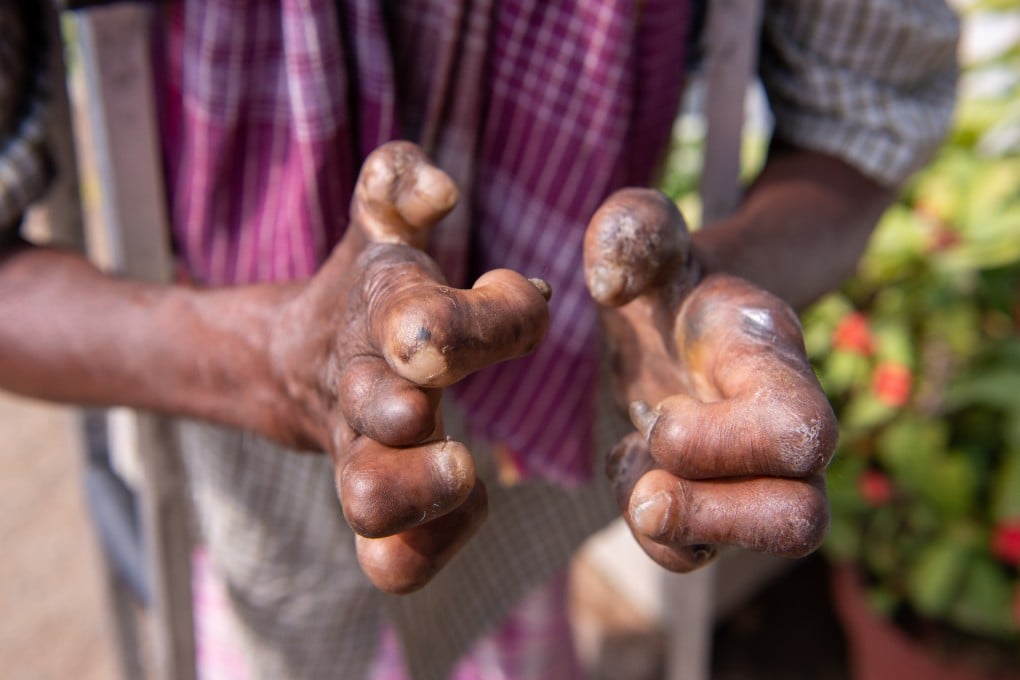
Recognizing early signs of leprosy can prevent long-term disability. Key warning signs include persistent skin patches with loss of sensation, unexplained numbness, muscle weakness, and chronic sores that do not heal—especially on the soles of the feet. Loss of eyebrows or eyelashes and deformities accompanied by pain, redness, or burning sensations in the nose, hands, or feet should prompt immediate medical evaluation. Health authorities emphasize that early diagnosis and prompt treatment with multi–drug therapy (MDT) are highly effective at curing the disease and preventing disability.
The Manhyia example demonstrates several replicable public health practices that can be adopted by other hospitals and community health programs. First, continuous training for health workers ensures that frontline staff can identify early symptoms, provide accurate counseling, and administer or refer for appropriate treatment. Second, community outreach and sensitization—through local media, clinics, schools, and faith-based organizations—helps demystify the disease and encourages people to seek care without fear of ostracism. Third, integrated surveillance and follow-up allow health systems to track suspected cases, ensure treatment adherence, and monitor outcomes. These combined actions create a feedback loop that reduces both disease incidence and stigma.
Reducing stigma requires more than facts; it requires storytelling, visible leadership, and policies that protect the rights and dignity of people affected by leprosy. When communities hear testimonies from survivors who have been cured and reintegrated, misconceptions begin to fade. When local leaders and health professionals speak openly about the curability of leprosy and the importance of early care, they model acceptance and encourage others to come forward. The Manhyia hospital’s outreach efforts have focused on these human-centered approaches, helping to shift attitudes while improving health outcomes.
For individuals and families, practical steps can make a difference. If you notice persistent skin changes, numbness, or non-healing sores, seek evaluation at a trusted health facility without delay. Early treatment not only cures the infection but also prevents nerve damage and disability. If you are a caregiver or community leader, prioritize accurate information and compassionate support over fear-driven responses. Encourage those with symptoms to access care and reassure them that treatment is available and effective. Health systems should make services accessible, confidential, and free from discrimination to remove barriers to care.
Policy makers and public health planners can draw lessons from Manhyia’s success to inform regional and national strategies. Investing in health worker capacity building, funding community education campaigns, and strengthening primary care surveillance systems are cost-effective measures that yield long-term benefits. Partnerships with civil society, religious institutions, and local media amplify messages and normalize help-seeking behavior. Monitoring and evaluation frameworks should track not only case numbers but also indicators of stigma reduction and treatment adherence to provide a fuller picture of program impact.
The broader public health implications are significant. When a hospital in a densely populated region reports zero new cases over several years, it signals that elimination is achievable with sustained effort. It also highlights the importance of combining biomedical interventions with social strategies that address fear, misinformation, and exclusion. The Manhyia experience offers a hopeful blueprint: medical science provides the cure, and community action removes the barriers that prevent people from accessing it.
The absence of leprosy cases at Manhyia Government Hospital for over five years is a testament to the effectiveness of education, early detection, and stigma reduction. The global observance of World Leprosy Day and its 2026 theme remind us that medical progress must be matched by social progress. Communities, health workers, and policy makers each have a role to play in ensuring that no one suffers in silence and that every person with symptoms receives timely, respectful care. If you or someone you know shows signs consistent with leprosy, seek medical attention promptly; early action saves limbs, livelihoods, and lives.
Source: No case of Leprosy recorded at Manhyia hospital for over five years | Ghana News Agency