

Vaccinating 1.9 million girls is good. But for us, it is not good enough. Our policy is to reach every child. Even if it is just three girls left, we want to reach them. Most of the eager recipients have already been vaccinated, so the health system has to go out and actively look for the remaining girls.
Dr. Selorm Kutsuati
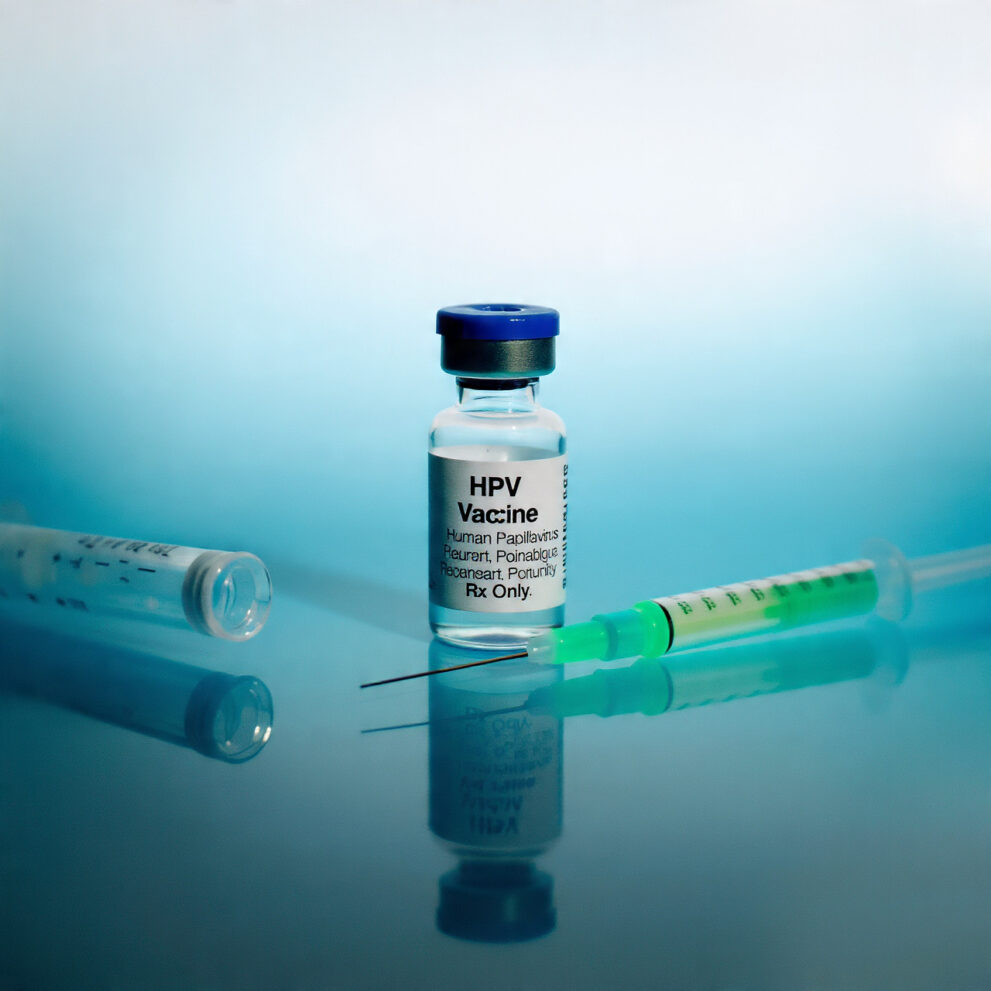
Ghana has taken a bold step in safeguarding the health of its young population, successfully vaccinating 1.9 million girls against Human Papillomavirus (HPV) during a nationwide campaign in October 2025. The initiative, led by the Ghana Health Service (GHS), marks a historic milestone in the country’s battle against cervical cancer, one of the leading causes of death among women in Ghana. Yet, the mission is far from complete, as nearly 300,000 girls remain unvaccinated and at risk.
Dr Kusuati’s statement reinforces Ghana’s unwavering commitment to universal health coverage and epidemic preparedness. The HPV vaccine, now integrated into routine immunization services, is available at all public health facilities nationwide, ensuring that protection against cervical cancer becomes a permanent fixture in Ghana’s healthcare system.
The campaign specifically targeted girls aged nine to 14 years, the most vulnerable group for HPV infection. According to Dr. Kutsuati, while mass campaigns often achieve rapid uptake, routine immunization tends to slow afterward. To close this gap, the GHS is intensifying school health outreach programmes, prioritizing institutions that were missed during the October campaign. District health teams are leveraging data and geospatial analysis to identify underserved areas, ensuring that no eligible girl is left behind.
Parental resistance, fueled by misinformation, remains a significant challenge. Dr. Kutsuati acknowledged this barrier, noting: “We are still engaging parents. PTAs are crucial platforms that bring parents, teachers and health workers together, and we have encouraged districts to make full use of them.” By engaging Parent-Teacher Associations (PTAs) and community-based activities, the GHS is working to build trust and dispel myths surrounding the vaccine. This grassroots approach is vital in combating vaccine hesitancy and ensuring that parents understand the lifelong protection the HPV vaccine offers against cervical cancer.
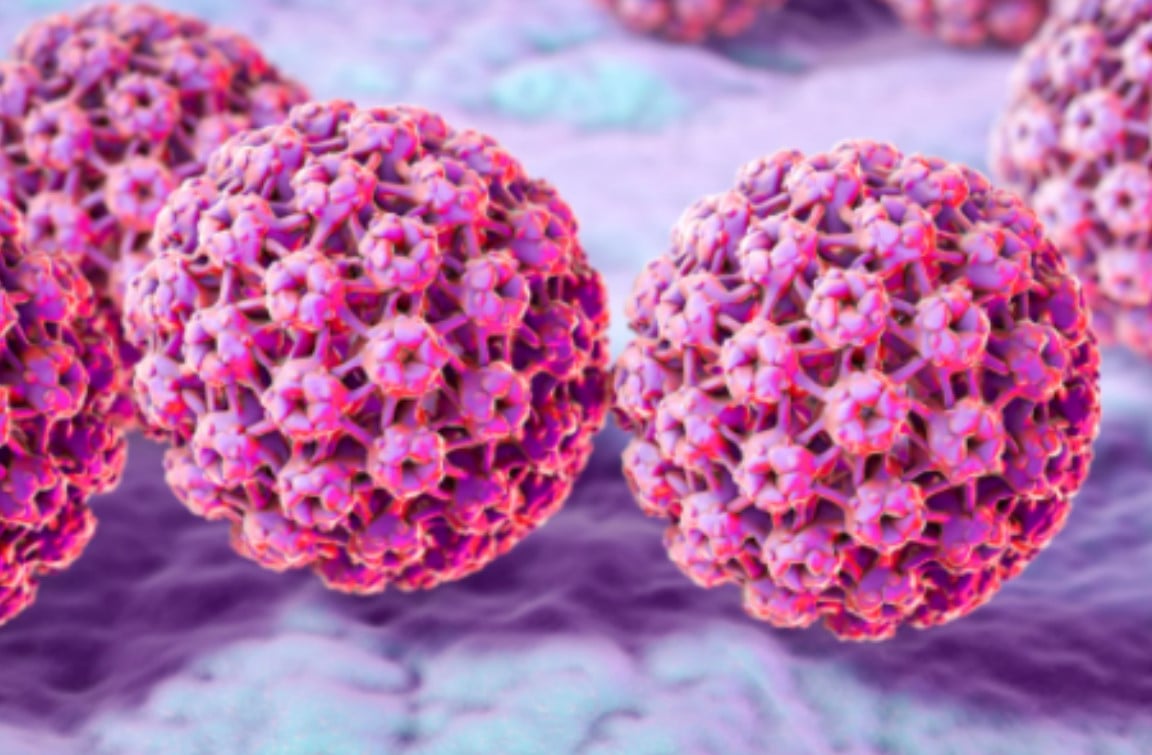
The stakes are high. Cervical cancer is the second most common cancer among women in Ghana, with approximately 3,072 new cases and 1,815 deaths annually—equating to 5–8 deaths per day, often due to late-stage diagnosis. A single dose of the Gardasil 4 HPV vaccine provides lifelong protection, making early vaccination a critical intervention.
Dr. Kutsuati expressed optimism that the remaining 300,000 girls would be reached within the year: “So far, so good, but it could be better. And what will make it better is simple — let’s get our girls vaccinated.” Beyond the immediate campaign, there is growing demand from adults who wish to be vaccinated but face prohibitive costs in the private sector. While the current programme focuses exclusively on girls aged nine to 14, Dr. Kutsuati assured that advocacy continues for government and organizational support to subsidize vaccines for older populations.
The HPV vaccination campaign is more than a health intervention—it is a national commitment to equity, prevention, and the future of Ghana’s girls. By combining data-driven strategies, school outreach, parental engagement, and routine immunization, Ghana is setting a powerful example for other African nations battling cervical cancer.
The message is clear: early vaccination saves lives. With continued effort, Ghana is poised
Unfortunately, this programme does not cover adults. It is strictly for girls aged nine to 14. However, we will continue to advocate governments and organizations to subsidize the vaccine in the private sector for older people who want it.
Dr. Selorm Kutsuati
to eliminate cervical cancer as a public health threat, ensuring that every girl—regardless of location or circumstance—receives the protection she deserves.
Source: HPV vaccination campaign: 1.9 girls vaccinated, 300,000 more to be reached | Ghana News Agency