

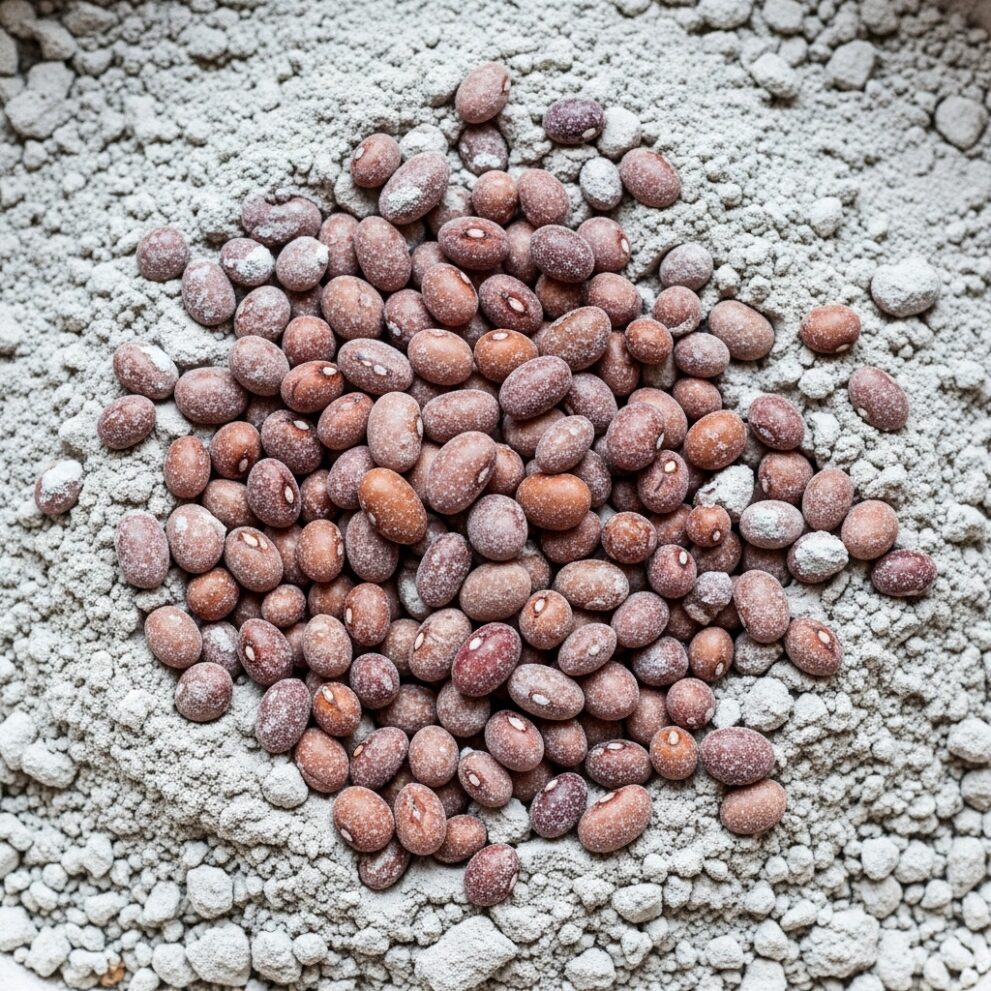
The Food and Drugs Authority has issued a clear public warning after a viral social media video showed beans being treated with a white powdery substance believed to be cement. This advisory is a critical public health alert because it highlights unsafe food handling, the use of unapproved substances in food preservation, and practices that can put consumers at risk. The Authority emphasized that the method shown is not part of approved food preservation practices in Ghana and is not recognised by the Plant Protection and Regulation Services Directorate of the Ministry of Food and Agriculture.
The immediate concern with applying cement or cement-like powders to food is chemical contamination. Cement contains alkaline compounds, heavy metals, and additives that are not intended for ingestion. When such substances come into contact with food, they can leave residues that are difficult to remove and that may react with moisture to form harmful compounds. The FDA noted unsafe and unhygienic handling in the viral footage, including the application of chemicals with bare hands and without appropriate protective gear, and the depiction of someone standing on a heap of beans without protective clothing. These behaviors increase the risk of microbial contamination and chemical transfer to food.
Beyond immediate contamination, there are longer-term health risks. Repeated exposure to heavy metals and industrial chemicals can lead to chronic health problems, including gastrointestinal distress, organ damage, and neurological effects depending on the specific contaminants present. Food safety authorities worldwide classify food-contact materials and preservation agents based on rigorous testing; anything outside approved lists should be treated as hazardous. The FDA’s advisory underscores that unapproved substances and poor hygiene are contrary to acceptable food safety standards and that such practices are neither encouraged nor permitted in Ghana.
Retailers, aggregators, and farmers must be particularly vigilant. The FDA specifically advised farm produce aggregators and retailers to avoid engaging in or promoting unsafe preservation methods. When supply chain actors prioritize speed or appearance over safety, consumers pay the price. Safe storage and preservation of beans and legumes rely on moisture control, pest management, and clean handling—not on chemical coatings or industrial powders. Proper drying, hermetic storage, and approved fumigation or pest-control measures are the accepted approaches for maintaining quality and shelf life.
Consumers play a vital role in protecting food safety. If you see suspicious food handling or preservation activities—such as the use of unknown powders, visible chemical residues, or unhygienic handling—report them to the relevant authority for investigation and possible sanctions. The FDA encouraged consumers to report suspicious activities so that investigations can be launched and corrective action taken. Vigilant reporting helps regulators identify emerging threats and remove unsafe products from the market quickly.
For households and small-scale sellers, here are practical, safe methods to preserve beans and reduce spoilage without resorting to hazardous materials. First, ensure beans are fully dried before storage; moisture is the primary driver of mold and spoilage. Second, store beans in airtight containers in a cool, dry place to prevent insect infestation and moisture ingress. Third, consider using food-grade desiccants or oxygen absorbers approved for food storage when long-term preservation is needed. Fourth, practice first-in, first-out rotation to minimize storage time and reduce the chance of deterioration. These measures are low-cost, effective, and aligned with food safety standards. No industrial powders or unapproved chemicals are necessary.
When buying beans from markets or aggregators, inspect the product carefully. Look for signs of contamination such as unusual dust, discoloration, off-odors, or clumping that suggests moisture or foreign substances. Ask sellers about their storage practices and whether they use approved pest-control methods. If a seller cannot provide a clear, safe explanation, consider purchasing elsewhere. Retailers who follow good practices will be transparent about drying, storage, and pest control because these steps protect both product quality and consumer health.
Regulatory agencies and stakeholders must continue public education campaigns to counter misinformation and viral trends that promote unsafe shortcuts. The FDA’s statement included a translation-based observation that the language in the viral video was not Ghanaian and that the narration revealed unsafe practices. This highlights how viral content can cross borders and influence local behavior; authorities must therefore act quickly to debunk dangerous methods and provide clear, accessible guidance on safe food handling. Public messaging should be simple, shareable, and focused on practical steps that farmers, traders, and consumers can adopt immediately.
For journalists, community leaders, and influencers who amplify food-related content, there is a responsibility to verify claims before sharing. Viral demonstrations that show novel or shocking techniques can attract attention, but they can also spread harmful practices. When reporting or reposting, include context from credible sources and, where possible, link to official guidance from food safety authorities. The FDA’s public caution is an example of the kind of authoritative response that should be highlighted whenever questionable food preservation methods appear online.
If you suspect that food you purchased has been treated with an unapproved substance, do not consume it. Preserve the product as evidence, take clear photographs, note where and when you bought it, and report the incident to the FDA or the appropriate local authority. The FDA has made clear that consumers should report suspicious food handling or preservation activities for investigation and possible sanctions. Prompt reporting helps authorities trace the source, test samples, and take enforcement action if necessary.
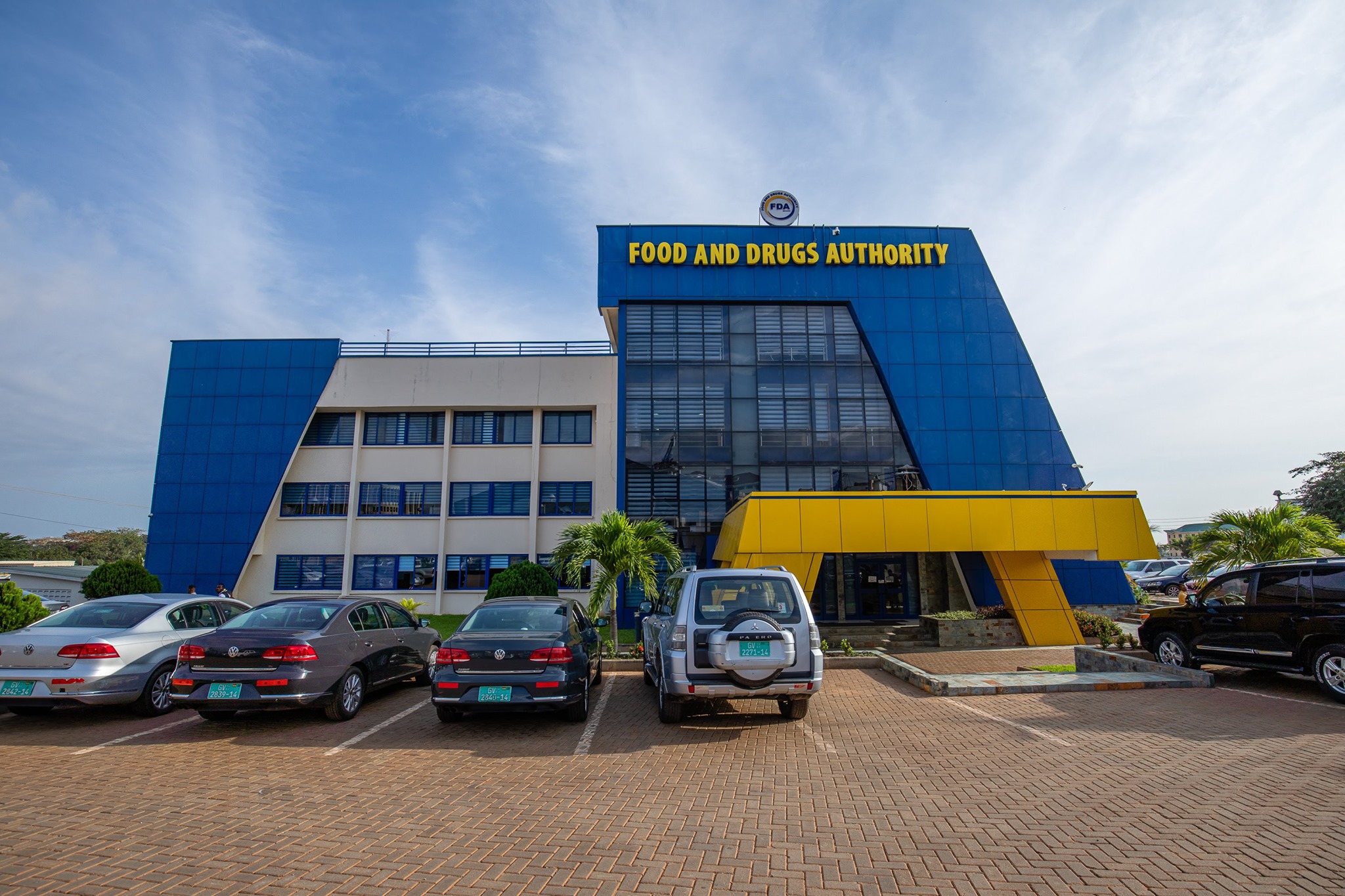
The FDA’s warning is a timely reminder that food safety cannot be compromised for convenience or appearance. The Food and Drugs Authority (FDA) has cautioned the general public against the use of cement for preserving beans and stresses that, together with its stakeholder institutions, it does not approve of food preservation practices that compromise food safety and public health. This stance captures the core message: unapproved substances and unhygienic handling are unacceptable and dangerous. Consumers, retailers, and regulators must work together to ensure that food on the market meets approved safety and quality standards.
Source: FDA cautions public against unsafe method of preserving beans using cement | 3News