

A major scientific advance from Stanford researchers points to a single nasal spray vaccine that may offer broad protection against the full spectrum of common respiratory threats — seasonal flu, COVID-19, common colds, and even dangerous bacterial lung infections. Early animal studies show the approach primes lung immune cells to remain on heightened alert for months, dramatically reducing the ability of viruses and bacteria to invade the body. This development represents a potential paradigm shift in how vaccines are designed and delivered, and it could reshape public health strategies for preventing respiratory illness worldwide.
The new vaccine does not follow the traditional model of training the immune system to recognize a single pathogen. Instead, it mimics natural immune-cell communication and leaves macrophages — the white blood cells that patrol the lungs — in a ready state so they can respond quickly to many different invaders. In animal tests the effect lasted roughly three months and produced a 100- to 1,000-fold reduction in the number of viruses that penetrated the lungs and entered the body. For infections that did get through, the rest of the immune system reacted with exceptional speed.
“This vaccine, what we term a universal vaccine, elicits a far broader response that is protective against not just the flu virus, not just the Covid virus, not just the common cold virus, but against virtually all viruses, and as many different bacteria as we’ve tested, and even allergens.”
Why this matters for public health: current vaccines are highly effective but narrowly targeted — a measles shot protects only against measles, and a chickenpox shot protects only against chickenpox. A broadly protective nasal spray could reduce the yearly burden of respiratory disease, lower hospitalizations from bacterial lung infections such as Staphylococcus aureus and Acinetobacter baumannii, and even reduce allergic triggers that worsen asthma. If human clinical trials confirm the animal results, the implications include fewer seasonal outbreaks, reduced antibiotic use, and a major step toward universal respiratory protection.
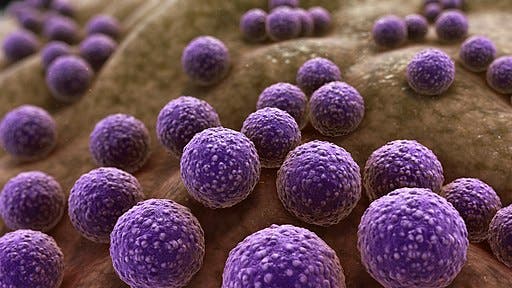
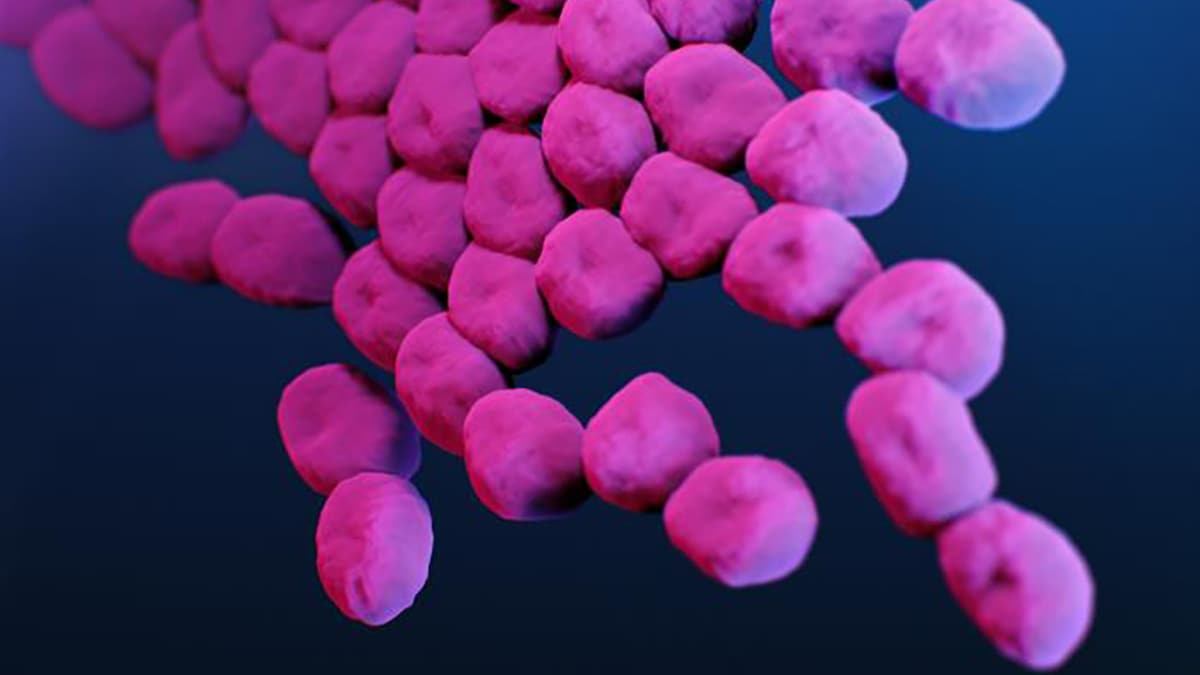
Key scientific features that make this approach promising include the delivery route, the immune mechanism targeted, and the breadth of protection observed in preclinical tests. Delivered as a nasal spray, the vaccine acts directly at the respiratory mucosa — the frontline where airborne pathogens first contact the body. By reprogramming macrophages to a heightened surveillance state, the vaccine creates a rapid, non-specific barrier that reduces pathogen entry and buys time for adaptive immunity to clear any breakthrough infections. In animal models this translated into dramatic reductions in viral load and protection against multiple bacterial species.
Experts in vaccinology have described the study as “really exciting” and a potential “major step forward,” while cautioning that human trials are still required to confirm safety, duration of protection, and effectiveness across diverse populations. The research team emphasizes that this is a radical departure from two centuries of vaccine design and that careful clinical evaluation is the next essential step before any public rollout.
For journalists, clinicians, and public health planners, the most important immediate takeaways are these: the vaccine is at the preclinical stage; it has shown broad protection in animals; it is administered as a nasal spray; and it appears to reduce allergic responses to common triggers such as house dust mite — a potential bonus for people with allergic asthma. These points should guide coverage, policy discussion, and planning for clinical trial recruitment and regulatory review.
In summary, the Stanford nasal spray vaccine represents a potentially transformative advance in respiratory disease prevention. It leverages mucosal delivery and innate immune reprogramming to create broad, rapid protection in animal models, and it has shown activity against multiple viruses, bacteria, and allergens. The research is promising, but human clinical trials are essential to confirm safety, efficacy, and duration of protection before any public health recommendations can change.
Source: Single vaccine could protect against all coughs, colds and flus – Researchers say