
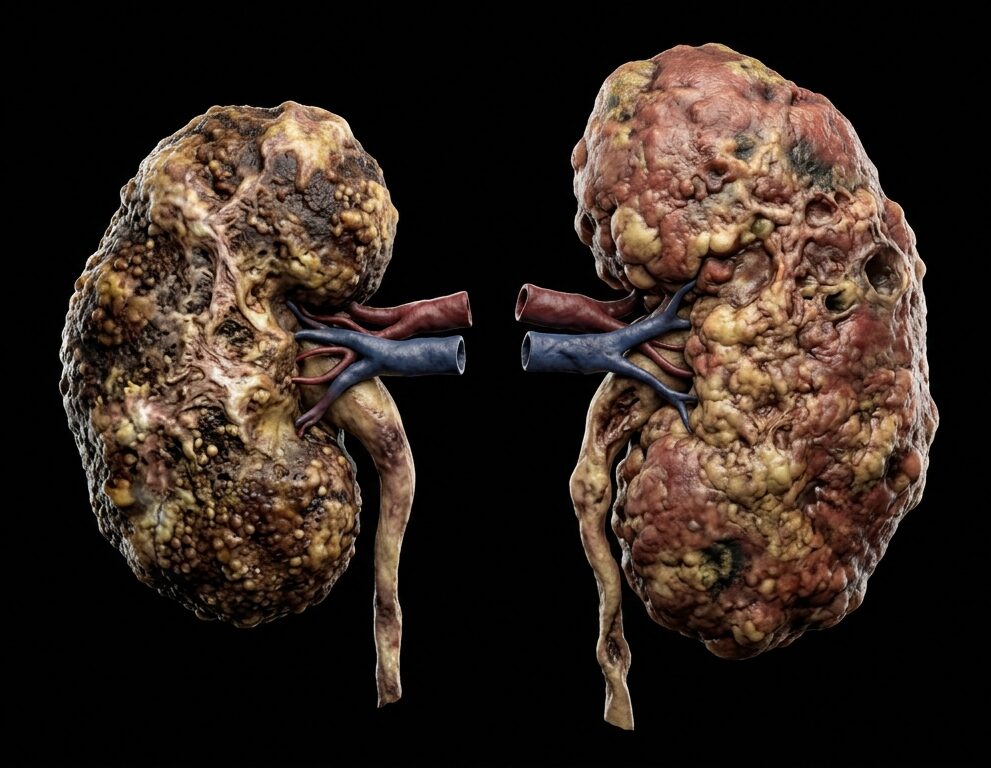

Kidney disease is emerging as a major public health challenge in Ghana.
Hon. Kwabena Mintah Akandoh
Kidney disease in Ghana is rapidly becoming a national health emergency that demands immediate attention from policymakers, health professionals, communities, and international partners. Recent government briefings and World Kidney Day events have sounded a clear alarm: chronic kidney disease and related non-communicable diseases are driving a growing share of premature deaths, especially among young adults, and the human and economic costs are rising fast. The scale of the problem is stark and
measurable. Non-communicable diseases now account for about 40 to 45 percent of deaths in Ghana, with chronic kidney disease a leading contributor to that burden. This shift from infectious to chronic conditions means Ghana must pivot its health systems toward prevention, routine screening, and affordable long-term care. The Minister emphasized that kidney disease often progresses silently until advanced stages, making early screening and public education the most cost-effective strategies to reduce suffering and financial ruin for families.
Multiple preventable drivers are fueling the rise in kidney disease. High blood pressure and diabetes remain the top medical risk factors, while lifestyle and environmental elements—unhealthy diets, misuse of medications, delayed health-seeking behavior, and pollution from illegal mining and industrial waste—compound the risk. Health leaders at the World Kidney Day event highlighted the link between environmental contamination and kidney damage, calling for integrated action across health, environment, and security sectors to protect water sources and reduce toxic exposures.
The human cost is matched by a crushing financial burden for families. Clinical experts at the 37 Military Hospital reported that dialysis can cost patients nearly GH¢2,000 per week, and a kidney transplant may exceed $30,000, figures that place life-saving treatment out of reach for many households. These numbers make prevention and early detection not only a public health priority but an economic imperative. Investing in routine screening, blood pressure and blood sugar control, and community health education will reduce the need for expensive dialysis and transplants and protect household finances.
Ghana’s policy response is evolving. The government is strengthening primary healthcare reforms to promote routine screening for major NCD risk factors and expand community-level health education. A proposed free primary healthcare policy aims to emphasize prevention and early diagnosis, with outreach planned for communities, farms, churches, and households. In parallel, the government is working to expand dialysis access through public-private partnerships and is finalizing an organ transplant bill to create a legal, ethical framework for safe transplants—an important long-term solution for end-stage kidney disease. These policy moves, if implemented effectively, can transform outcomes for thousands of Ghanaians.
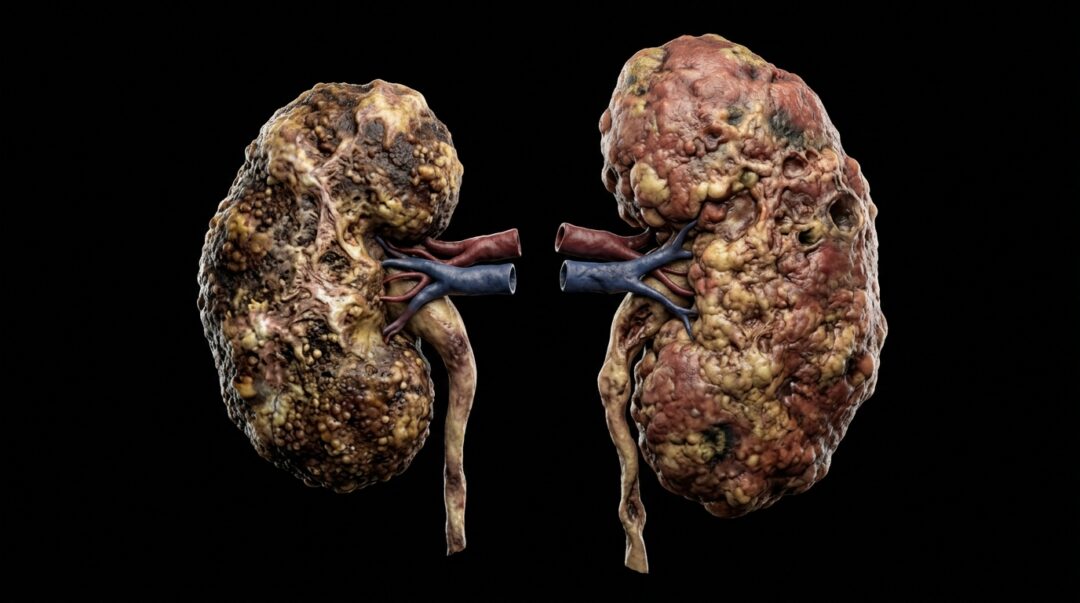
However, what practical steps can dramatically reduce the burden of kidney disease in Ghana today? First, scale up routine screening for blood pressure, blood sugar, and urine abnormalities at primary care clinics and community outreach events. Early detection of hypertension and diabetes allows timely treatment that prevents kidney damage. Second, launch targeted public education campaigns that explain the silent nature of kidney disease, discourage excessive use of painkillers and unregulated herbal medicines, and promote balanced diets and regular physical activity. Third, strengthen environmental protections to stop contamination of water bodies from illegal mining and industrial waste, because clean water is a foundational determinant of kidney health. Fourth, expand affordable dialysis services and financial support mechanisms—such as the Ghana Medical Trust Fund initiative—to reduce catastrophic health spending for families. Fifth, finalize and implement the organ transplant legal framework to ensure ethical, safe, and accessible transplant options for those with end-stage disease. Each of these actions is evidence-based, cost-effective, and scalable when backed by political will and cross-sector collaboration.
Community-level change is equally vital. Health workers must intensify outreach in neighborhoods, markets, farms, and places of worship to identify risk factors early and link people to care. Employers and institutions can support routine health checks and wellness programs. Civil society and faith-based organizations can amplify prevention messages and help reduce stigma that delays care. When communities are empowered with knowledge and access, the trajectory of kidney disease can be reversed. “Kidney Health for All: Caring for People, Protecting the Planet,” the World Kidney Day theme, captures this integrated approach—health promotion, environmental stewardship, and social solidarity working together to save lives.
For clinicians and health system planners, data-driven strategies will be essential. Prioritize surveillance systems that track NCD prevalence, kidney disease incidence, dialysis utilization, and transplant outcomes. Use these data to allocate resources, identify hotspots linked to environmental contamination, and evaluate the impact of screening programs. Strengthen training for primary care providers on early detection and management of kidney risk factors, and build referral pathways so patients can access specialist care when needed. Public-private partnerships can accelerate the expansion of dialysis centers and subsidized care models that protect vulnerable households.
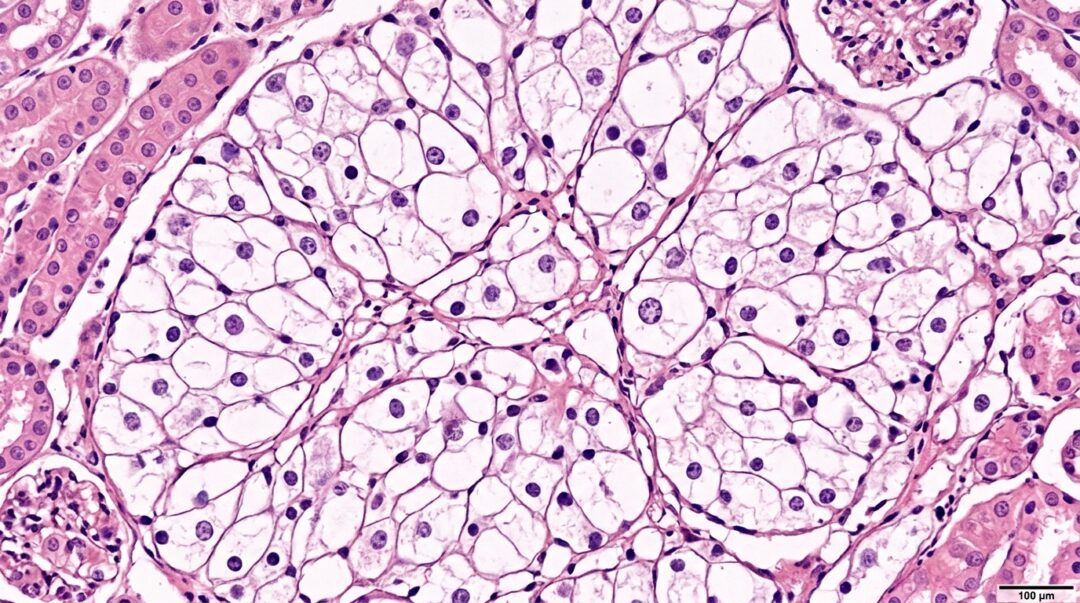
International partners and donors have a role to play by supporting capacity building, financing affordable treatment options, and investing in research on environmental causes of kidney disease in Ghana. Cross-border collaboration can also help Ghana adopt best practices in transplant ethics, dialysis delivery, and community-based prevention. The cost of inaction—rising mortality, lost productivity, and catastrophic health spending—far outweighs the investment needed to scale prevention and treatment. Strategic investments now will yield long-term dividends in health, economic stability, and national security.
Every Ghanaian can take steps to protect kidney health today: get regular health checks, control blood pressure and blood sugar, avoid unnecessary painkillers and unregulated herbal remedies, drink safe water, eat a balanced diet, stay active, and seek care early for symptoms. Health leaders and policymakers must match these individual actions with system-level reforms that make prevention, screening, and treatment accessible and affordable for all. The Minister’s message is clear: with coordinated action across health, environment, defense, and community sectors, Ghana can turn the tide on kidney disease and protect the health and future of its people.
“Prevention and early detection are the most cost-effective strategies,” said medical specialists at the 37 Military Hospital, urging routine checks and stronger public education to avoid the devastating human and financial toll of advanced kidney disease. That call to action should guide every stakeholder’s next move—because when prevention is prioritized, lives are saved, families are protected, and the nation grows stronger.
Source: Kidney disease is emerging major public health challenge in Ghana – Minister – Ghana Business News