

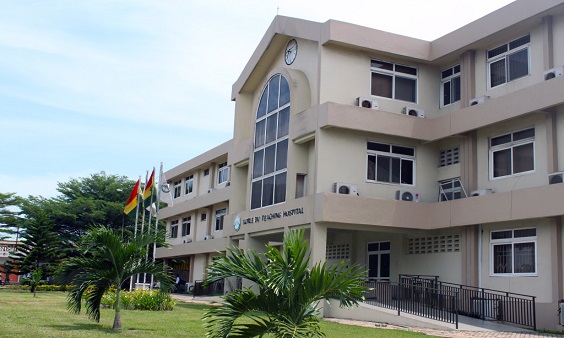
The crisis at Korle-Bu Teaching Hospital’s Accident and Emergency Centre has become a national flashpoint, exposing deep structural weaknesses in Ghana’s healthcare delivery network. While headlines often point to a lack of beds, frontline clinicians and the Korle-Bu Doctors’ Association (KODA) insist the real driver is a dysfunctional referral system that funnels patients to tertiary centres by default. This article unpacks the root causes, documents the immediate risks to patients and clinicians, and outlines practical, high-impact solutions that health leaders, policymakers, and civil society can pursue to restore capacity, reduce avoidable deaths, and strengthen the entire health ecosystem.
Korle-Bu’s overcrowding is not an isolated infrastructure problem; it is a symptom of a national coordination failure. According to KODA, simply adding beds will not solve the crisis because lower-level hospitals and clinics lack the capacity to manage many of the cases they refer upward. As KODA warned, “The provision of 1000 extra beds would not immediately translate into enough health personnel to take care of these patients.” This blunt assessment reframes the debate: the shortage is as much about workforce, training, and referral protocols as it is about physical space.
The human cost of a broken referral pathway is immediate and measurable. When district and regional facilities refer patients they could have stabilized or treated locally, tertiary centres like Korle-Bu become overwhelmed. Overcrowding forces clinicians to provide care in suboptimal settings — corridors, waiting areas, and sometimes on the floor — which increases the risk of medical errors, infections, and poor outcomes. KODA has urged members to document these conditions carefully and to report shortages and overcrowding to hospital leadership, noting the legal and ethical exposure clinicians face when forced to work under such constraints. “The law courts would not accept such a sacrifice,” the association cautioned, underscoring the precarious legal position of healthcare workers operating in compromised environments.
A sustainable solution requires a system-wide approach that strengthens capacity at every level of care. This means investing in targeted training for clinicians at district and regional hospitals, improving diagnostic and stabilization capabilities, and implementing clear, enforceable referral protocols that ensure only patients who truly need tertiary-level care are escalated. Strengthening primary care and emergency response at the community level will reduce unnecessary transfers and preserve tertiary resources for the most complex cases. These changes demand coordinated action from the Ministry of Health, the Ghana Health Service, hospital management, and professional associations.
Workforce planning must be central to any response. Beds without trained staff are ineffective; the capacity to deliver safe, timely care depends on nurses, doctors, technicians, and support staff working in well-defined teams. National and regional workforce strategies should prioritize upskilling, retention incentives for rural and district postings, and rapid deployment teams that can support facilities during surges. Investing in continuous professional development and telemedicine support can extend specialist expertise to remote sites, reducing unnecessary referrals and improving outcomes.
Data-driven patient flow management is another critical lever. Real-time bed allocation systems, triage protocols, and a national command centre for emergency redirection can help distribute patients across facilities based on capacity and clinical need. Korle-Bu’s board has acknowledged the need for a phased rollout of new bed allocation systems and broader digital tools that enable smarter patient routing. When combined with training and infrastructure upgrades at lower-level hospitals, these systems can prevent single-centre overload and improve national surge resilience.
Political will and funding priorities will determine whether proposed reforms move from paper to practice. Stakeholders including the Ghana Medical Association and other professional bodies have already proposed reforms; what is missing is decisive implementation. Policymakers must align budgets, accountability mechanisms, and performance metrics to incentivize system strengthening rather than piecemeal expansion of tertiary capacity. Donors and development partners can support targeted investments in workforce development, digital triage systems, and emergency transport networks to accelerate impact.
Legal and ethical safeguards for clinicians must be clarified and strengthened. KODA’s guidance to document clinical environments and formally report resource shortages is a pragmatic step to protect clinicians from unfair liability when outcomes are affected by systemic failures. At the same time, legal reforms and institutional policies should recognize the realities of constrained settings and provide clear standards for acceptable practice during crises, while preserving patient rights and safety. Transparent reporting, independent audits, and supportive supervision can help balance accountability with fairness.
Community engagement and public communication are essential to any durable fix. Patients and families need clear information about where to seek the right level of care, how referral pathways work, and what services are available at district and regional hospitals. Public awareness campaigns can reduce unnecessary self-referrals to tertiary centres and encourage early care-seeking at appropriate facilities. Community health workers and local clinics should be empowered to triage and stabilize patients, with reliable referral links and transport options when escalation is necessary.
Practical, high-impact interventions that can be implemented quickly include targeted training bootcamps for emergency care at district hospitals, mobile rapid response teams to support overwhelmed facilities, and a national dashboard that displays bed availability and critical resource status in real time. Medium-term investments should focus on expanding diagnostic capacity at lower-level hospitals, strengthening ambulance networks, and embedding teleconsultation services that connect specialists with clinicians across the country. These measures reduce pressure on tertiary centres while improving equity and access to quality care.
The Korle-Bu crisis is a wake-up call for Ghana’s health system. It reveals how a single weak link — an ineffective referral system — can cascade into a national emergency that endangers patients, strains clinicians, and undermines public trust. Addressing the problem requires more than headlines about bed counts; it requires a strategic, coordinated response that builds capacity across the entire health network, protects clinicians, and centers patient safety. The path forward is clear: invest in people, strengthen systems, deploy technology wisely, and commit to the political will needed to implement reforms at scale.
For policymakers, hospital leaders, and health advocates, the Korle-Bu situation offers a blueprint for action. Prioritize workforce development, enforce referral protocols, deploy real-time patient flow tools, and protect clinicians through clear legal frameworks and reporting mechanisms. For citizens and communities, demand transparency, support local health services, and use available channels to report overcrowding and resource shortages. When stakeholders act together, the cycle of overcrowding can be broken and Ghana’s health system can become more resilient, equitable, and responsive.
In the words of the doctors on the front line, the solution is not simply more beds; it is a stronger, coordinated system that ensures patients receive the right care at the right place and time. The choices made now will determine whether Korle-Bu’s crisis becomes a catalyst for lasting reform or a recurring emergency that continues to cost lives.