

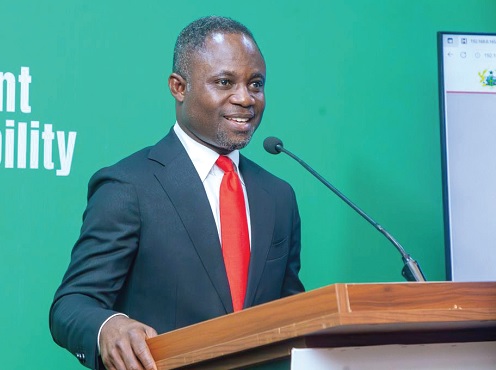
We are ready to roll out this programme
Ministry of Health, Ghana
Ghana stands at the threshold of a transformative moment in public health as the Ministry of Health confirms that the Free Primary Healthcare Programme is prepared for nationwide implementation. This initiative is designed to dramatically expand access to essential health services, shift the health system toward prevention and early detection, and accelerate Ghana’s progress toward universal health coverage.
The Ministry’s spokesperson emphasized that the operational groundwork has been completed and that the programme will be accessible to all citizens living in the country.
The policy’s readiness is the result of coordinated planning across infrastructure, stakeholder engagement, and service design. The Ministry reports that new health centres are already under construction in strategic locations to support the rollout, with roughly 30 facilities currently at various stages of development, including sites near busy commercial hubs. These investments are intended to reduce pressure on tertiary hospitals by strengthening primary care capacity where people live and work. The Ministry’s public statements highlight a deliberate pivot from curative-only services to a model that prioritizes preventive and promotive healthcare, which experts say is essential for lowering long-term costs and improving population health outcomes.
This programme is framed as an inclusive national benefit: eligibility is straightforward and broad. As the Ministry clarified, the criterion for access is simply Ghanaian citizenship and residence in the country, signaling a commitment to universal access rather than means-tested or narrowly targeted benefits. That clarity is likely to simplify enrollment and reduce administrative barriers that often delay uptake in large-scale public health initiatives. “The criteria is you being a Ghanaian and you live in this country,” the Ministry stated.
Beyond bricks and mortar, the Ministry has prioritized stakeholder consultations to refine implementation details and address sector concerns. Engagements with health professionals, local authorities, and community representatives have been held in multiple locations, and the Ministry reports that feedback has been incorporated into the operational plan. These consultations are a critical risk-mitigation step: by involving frontline workers and community leaders early, the programme aims to ensure smoother service delivery, better resource allocation, and stronger public trust when services begin.
The strategic emphasis on prevention and early detection is central to the programme’s value proposition. By expanding primary care services that focus on health promotion, routine screening, and early management of chronic conditions, the initiative seeks to reduce the congestion at major hospitals and improve health outcomes through timely interventions. This approach aligns with global best practices: strong primary care systems reduce avoidable hospital admissions, lower mortality from common conditions, and improve equity in access to care. Ghana’s plan to reorient resources toward promotive services could yield measurable improvements in population health indicators if implemented effectively.
Operational readiness also includes workforce planning and supply chain considerations. For a free primary care programme to function at scale, the health system must ensure adequate staffing, continuous medical supplies, and reliable referral pathways to higher levels of care when needed. The Ministry’s public messaging indicates that these elements are part of the preparatory work, though the pace and quality of implementation will determine how quickly communities experience tangible benefits. Close monitoring of staffing levels, medicine availability, and patient flow will be essential during the initial months of rollout.
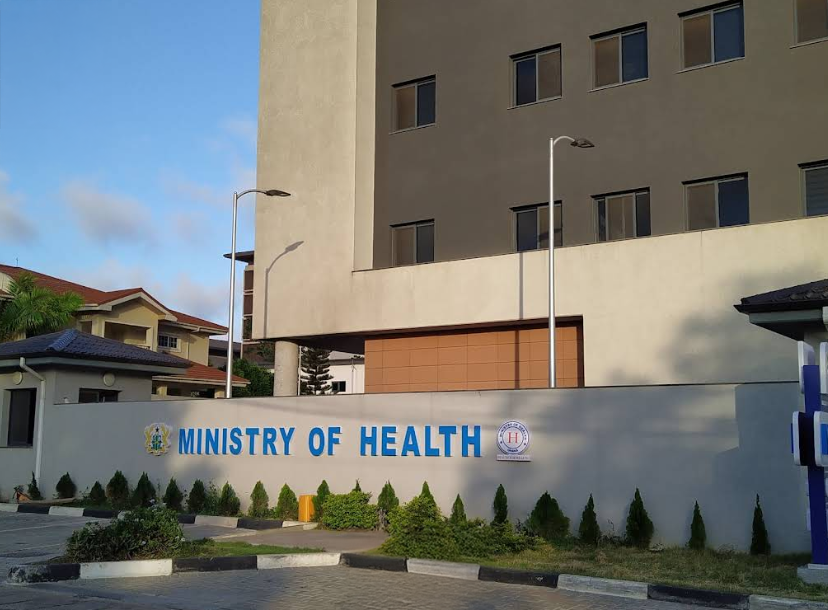
Financing and sustainability are central questions for any large public health reform. While the Ministry has signaled readiness to launch the programme, long-term success will depend on stable funding streams, efficient resource management, and transparent accountability mechanisms. The government’s commitment to a nationwide launch by the end of April 2026 sets a clear timeline, but sustaining free primary care services requires predictable budget allocations, potential donor partnerships, and mechanisms to prevent misuse or diversion of resources. Policymakers will need to balance immediate rollout goals with robust fiscal planning to ensure the programme endures beyond initial implementation.
From a citizen’s perspective, the benefits could be substantial. Easier access to routine immunizations, maternal and child health services, chronic disease screening, and basic diagnostics at local health centres can reduce out-of-pocket spending and remove barriers that prevent timely care. For families in peri-urban and rural communities, the presence of nearby health centres—especially in high-traffic areas like markets—means fewer lost workdays, lower transport costs, and earlier treatment for common illnesses. The Ministry’s construction of facilities in busy commercial zones is a practical step toward meeting people where they are and integrating health services into daily life.
Implementation risks are real but manageable with strong governance. Potential challenges include uneven facility readiness across regions, supply chain disruptions, workforce shortages in remote areas, and the need for effective community outreach to inform citizens about the services available. To mitigate these risks, the Ministry’s stakeholder engagements and phased infrastructure investments are positive signals. Continuous data collection and transparent reporting during the rollout will help identify bottlenecks quickly and allow course corrections that protect service quality and public confidence.
The programme’s public messaging also underscores a broader health systems goal: moving Ghana closer to universal health coverage by ensuring that primary care is both accessible and free at the point of use. If the rollout achieves high coverage and maintains service quality, Ghana could see improvements in early disease detection, better management of chronic conditions, and reduced pressure on tertiary hospitals. These outcomes would not only improve health but also support economic productivity by keeping more people healthy and able to work.
For health professionals and administrators, the coming weeks will be a test of coordination and execution. Clear operational guidelines, training for primary care teams, robust supply chain logistics, and community communication strategies will be necessary to translate policy readiness into everyday services. The Ministry’s assurance that the necessary groundwork has been completed is encouraging, but the real measure of success will be how quickly and reliably citizens can access care at local health centres.

In summary, Ghana’s Free Primary Healthcare Programme represents a bold step toward equitable health access and preventive care. The Ministry of Health has signaled readiness to launch the initiative nationwide, backed by infrastructure projects, stakeholder consultations, and a clear eligibility framework. The programme’s focus on prevention, early detection, and local service delivery could reduce hospital congestion and improve population health if implementation is well-managed and sustainably financed. As the country moves toward the planned rollout, citizens, health workers, and policymakers will all play vital roles in ensuring the programme delivers on its promise of accessible, high-quality primary care for every Ghanaian.