
World Malaria Day 2026 is a decisive moment for global health, a high-stakes rallying cry that demands renewed funding, bold policy action, and coordinated implementation to protect vulnerable communities and save lives. This year’s theme, “Driven to End Malaria: Now We Can. Now We Must.”, captures both the scientific progress achieved and the urgent moral imperative to finish the job. The message is clear: breakthroughs in prevention, diagnostics, and treatment make elimination possible, but only collective political will, sustained investment, and community-led action will turn possibility into reality.
“Driven to End Malaria: Now We Can. Now We Must.” is more than a slogan; it is a compact strategy statement. It recognizes that scientific advances—new drug candidates, single-dose cures, long-acting injectables, improved diagnostics, and vector control tools—have shifted the balance in favor of elimination. Yet the same statement insists that scientific possibility alone is insufficient without financing, supply chains, surveillance, and community trust. This dual emphasis—capability plus obligation—makes the 2026 campaign both hopeful and urgent.
Global partners are translating the theme into action through events, toolkits, and policy forums. Organizations such as Malaria No More UK and UNICEF are producing social media toolkits and outreach materials to amplify the message and engage funders, civil society, and the public. These resources are designed to make it easy for advocates to share consistent, high-impact messaging that drives donations, policy attention, and grassroots mobilization. The availability of ready-made assets helps scale advocacy quickly and ensures that the narrative remains focused on measurable goals: prevention, treatment access, and elimination.
Medicines for Malaria Venture (MMV) and other technical partners are using World Malaria Day 2026 to highlight scientific and programmatic milestones while convening stakeholders to tackle persistent obstacles. MMV’s calendar of events around the day includes roundtables, side events at major health summits, regional meetings, and presentations at national research conferences. These gatherings concentrate on critical topics such as building human research capacity in Africa, accelerating policy adoption for new tools, and confronting the growing threat of antimalarial drug resistance. Each event is an opportunity to align research, policy, and implementation so that innovations reach the people who need them most.
The threat of antimalarial drug resistance is a central concern for the global health community. Resistance undermines decades of progress and raises the stakes for rapid policy response and coordinated surveillance. Experts and partners are convening to share data, harmonize treatment guidelines, and accelerate the rollout of next-generation therapies. Addressing resistance requires a multi-pronged approach: stronger surveillance systems, rapid policy translation, investment in new drug development, and operational research to optimize deployment strategies. World Malaria Day 2026 is being used to spotlight these priorities and to push for concrete commitments from national programs and international funders.
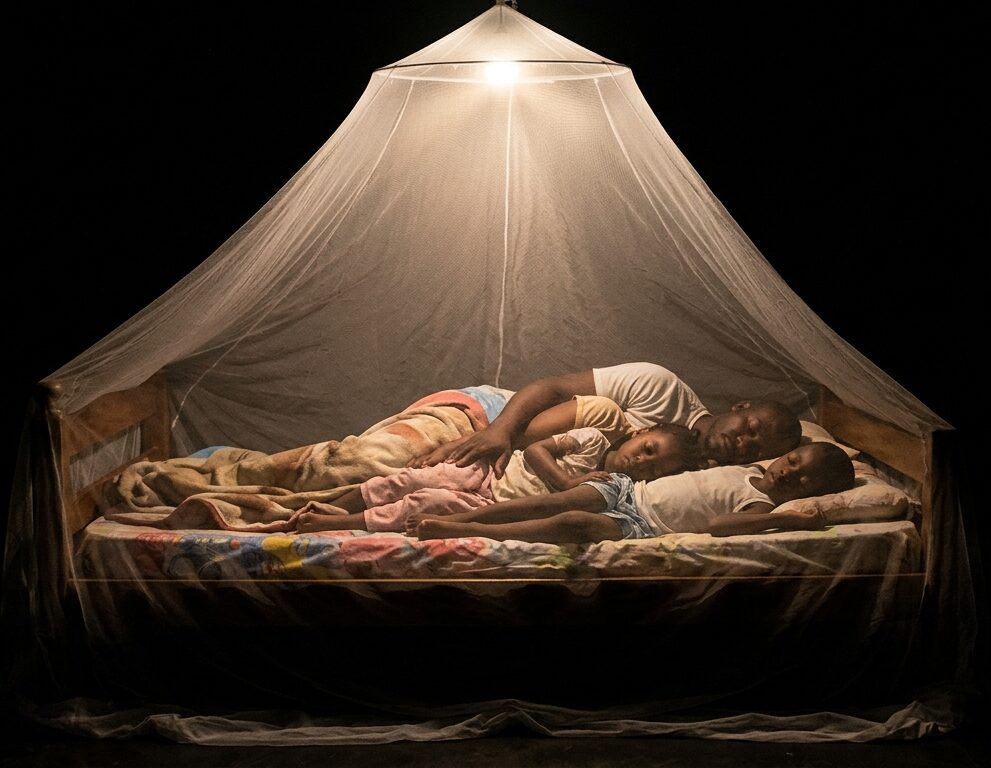
Children in high-burden countries remain the most affected demographic, with malaria still among the leading causes of child mortality in many regions. UNICEF and partner agencies are emphasizing prevention—bed nets, seasonal chemoprevention, and community education—alongside improved access to rapid diagnostic tests and effective treatment. The combined strategy of prevention plus timely treatment is the most direct path to reducing child deaths and preventing severe disease. World Malaria Day messaging centers on protecting children now while investing in a malaria-free future.
Regional collaboration is another pillar of the 2026 effort. MMV’s Asia Pacific Malaria Elimination Network meeting and participation in national research conferences demonstrate the importance of cross-country learning. Countries at different stages of elimination can share lessons on surveillance, vector control, and community engagement. Regional forums accelerate the diffusion of best practices and help harmonize regulatory and policy pathways for new tools. This collaborative approach reduces duplication, speeds adoption, and strengthens the global response.
Funding remains the linchpin. Ending malaria requires predictable, long-term financing for research, procurement of commodities, health workforce strengthening, and surveillance systems. World Malaria Day 2026 is a platform to remind donors—governments, multilateral institutions, private foundations, and the public—that short-term gains can be reversed without sustained investment. The campaign’s urgency is a call to action for both increased funding and smarter allocation of existing resources to high-impact interventions.
Community engagement and local leadership are essential for success. Programs that partner with local health workers, civil society groups, and community leaders achieve higher uptake of prevention measures and better adherence to treatment protocols. Trust-building, culturally appropriate messaging, and community-driven monitoring are not optional extras; they are core components of effective malaria programs. World Malaria Day 2026 highlights stories from the field to show how community-led initiatives save lives and create sustainable pathways to elimination.
Policy acceleration is a recurring theme across World Malaria Day events. Translating research into national guidelines and procurement decisions requires streamlined regulatory pathways and political commitment. Presentations and side events at global health summits are being used to push for faster policy adoption of promising new tools, from single-dose cures to long-acting injectables. When policy keeps pace with science, countries can deploy innovations more quickly and at scale, reducing the window in which resistance can emerge and spread.
The 2026 campaign also underscores the importance of integrated health systems. Malaria control does not happen in isolation; it depends on functioning primary care, supply chains, laboratory networks, and data systems. Investments that strengthen health systems—training, logistics, digital surveillance, and community health worker programs—multiply the impact of malaria-specific interventions and improve overall health outcomes. World Malaria Day is a reminder that malaria elimination is both a disease-specific goal and a catalyst for broader health system resilience.
For advocates, funders, and practitioners, World Malaria Day 2026 offers clear, actionable priorities: increase and sustain funding; accelerate policy adoption for new tools; strengthen surveillance to detect resistance early; invest in community-led programs; and build resilient health systems that can deliver prevention and treatment at scale. Each of these priorities is measurable and can be tracked through national plans and global scorecards. The campaign’s success will be judged not by rhetoric but by reductions in cases, hospitalizations, and deaths.
World Malaria Day 2026 is both a celebration of progress and a sober reminder of unfinished business. The theme “Now We Can. Now We Must.” captures the dual reality of capability and responsibility. As global partners convene in Berlin, Nairobi, Geneva, Bangkok, and Sao Paulo for events and discussions, the world watches to see whether commitments will translate into concrete, measurable progress. The stakes are high, but the pathway is clear: with science, funding, policy, and community action aligned, ending malaria is within reach.
Source: World Malaria Day 2026 | smo