
Ghana is positioning itself at the forefront of a global shift toward wastewater and environmental surveillance as a practical, cost-effective early-warning system for infectious disease. The recent Wastewater and Environmental Surveillance Conference 2026 in Accra brought together scientists, public health leaders, and policymakers from 31 countries to map a path for embedding sewage-based monitoring into national disease control strategies. The Ghana Health Service (GHS) committed to making wastewater surveillance a permanent part of its national framework, signaling a major policy pivot from short-term projects to long-term public health infrastructure.
The conference made clear that wastewater surveillance is not a niche laboratory exercise but a strategic public health tool that can detect outbreaks earlier than clinical reporting alone, especially where clinical surveillance is incomplete. Experts highlighted how combining sewage data with genomics, data science, and artificial intelligence can transform raw environmental signals into actionable public health decisions. This approach aligns with the One Health concept, which recognizes the interconnectedness of human, animal, and environmental health and calls for integrated surveillance systems that protect communities and economies alike.
“These are not just theoretical contributions, but evidence of lives that can be saved when we listen to what our water is telling us,” said Prof. Ellis Owusu-Dabo, underscoring the human impact behind technical investments and research. This statement captures the conference’s central message: wastewater data can translate into earlier interventions, fewer hospitalizations, and lower economic costs when systems are designed to act on the signals they reveal.
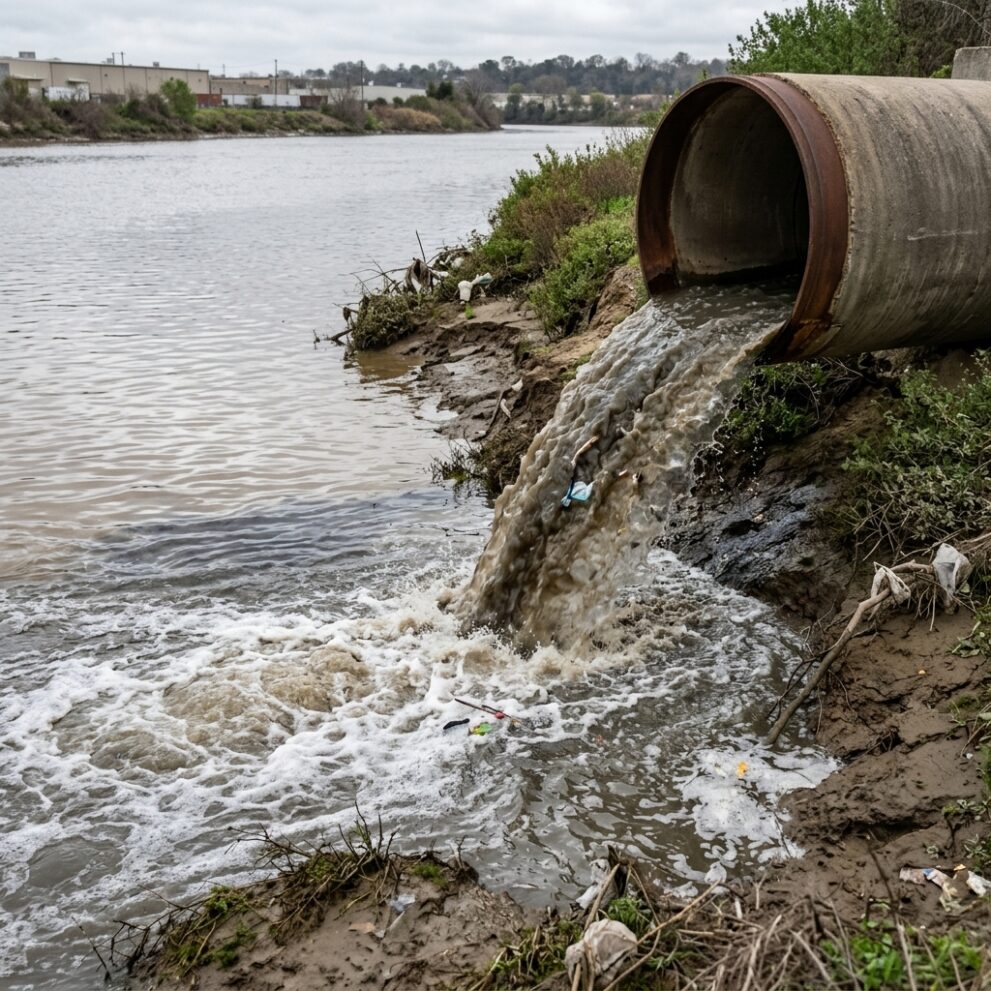
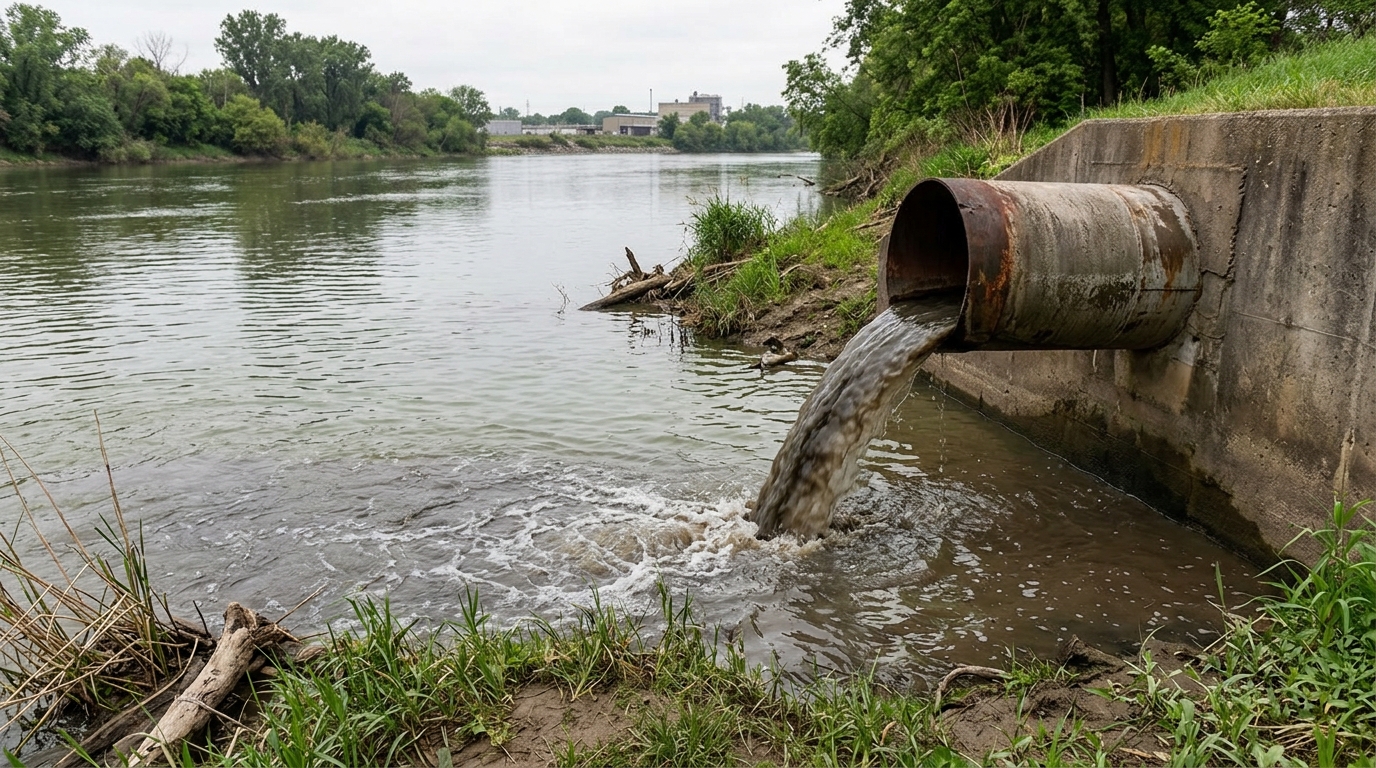
Wastewater surveillance works because pathogens and biomarkers shed by infected people enter sewage systems before many cases are clinically detected. When systematically sampled and analyzed, sewage can reveal trends in viral load, the emergence of new variants, and signals of other pathogens—from poliovirus to influenza and beyond. For countries with limited clinical testing capacity, this environmental lens offers a population-level snapshot that complements and strengthens traditional surveillance networks.
A sustainable scale-up requires more than scientific enthusiasm. Conference participants warned that donor dependence is a major vulnerability for low- and middle-income countries. Without domestic financing, supportive policy frameworks, and strengthened laboratory networks, early-warning systems risk collapsing when external funding ends. The GHS emphasized that wastewater surveillance must be treated as a national investment—one that demands budgetary commitment, workforce development, and durable infrastructure rather than short-term project cycles.
Countries looking to scale wastewater surveillance must begin by embedding it within national health strategies — not as a peripheral tool, but as a core input into decision-making and emergency response. This requires deliberate investment in laboratory infrastructure and workforce training, ensuring that samples are processed with consistency and that the people interpreting results have the expertise to act on them meaningfully.

Beyond the basics, nations should pursue genomic sequencing and advanced data analytics to move past simple detection — tracking variants, mapping transmission patterns, and staying ahead of outbreaks rather than merely reacting to them. Sustaining this, however, demands thoughtful financing: a blend of domestic budget commitments and targeted donor partnerships that guards against the programme collapsing the moment external funding shifts.
Finally, wastewater surveillance should not operate in a silo. Anchoring it within a One Health framework — one that deliberately connects human, animal, and environmental health actors — ensures that the data generated is shared, interpreted collectively, and translated into coordinated action across sectors.
Ghana’s example demonstrates how academic institutions and public health agencies can partner to accelerate adoption. The conference was organized by the Kwame Nkrumah University of Science and Technology (KNUST) and the GHS, with participation from the University of Ghana, the Noguchi Memorial Institute for Medical Research, the Environmental Protection Authority, Scripps Research, and international funders and partners. This multi-institutional collaboration model is a blueprint for other nations seeking to build credible, science-driven surveillance systems that are locally owned and globally networked.
From a technology perspective, the conference emphasized the role of genomics, data science, and artificial intelligence in turning wastewater signals into early warnings. Sequencing technologies can identify pathogen variants circulating in a community, while machine learning models can detect anomalous trends that warrant investigation.
However, technology alone is not enough: data must be integrated into public health workflows, and decision-makers must be prepared to act on environmental signals with appropriate public health measures. Dr. Samuel Kaba Akoriyea of the GHS stressed the need to ensure that “the data generated translates into action,” highlighting the operational gap that often separates detection from response.
Economic arguments for wastewater surveillance are compelling. Early detection reduces the scale and cost of outbreak responses by enabling targeted testing, focused vaccination campaigns, and timely public health messaging. In settings where clinical reporting is delayed or incomplete, WES can provide continuous, population-level monitoring that helps governments allocate scarce resources more efficiently. The World Health Organization’s technical leads noted that integrating wastewater surveillance into national strategies could meaningfully reduce the economic burden of outbreaks through earlier detection and intervention.
Yet challenges remain. Standardizing sampling methods, ensuring data quality, protecting privacy, and creating interoperable data systems are technical and ethical hurdles that require careful policy design. Countries must also navigate the logistics of sampling in informal settlements and rural areas where centralized sewage systems are absent. Innovative approaches—such as targeted sampling at community latrines, decentralized testing hubs, and mobile labs—can extend surveillance reach beyond urban sewer networks.

Sustainability is the conference’s recurring theme. Participants urged governments to move beyond project-based thinking and to adopt long-term financing strategies that include line items in national health budgets, public–private partnerships, and regional cooperation mechanisms. Building local laboratory capacity and training a skilled workforce are investments that pay dividends across multiple health priorities, from routine disease monitoring to pandemic preparedness.
The conference’s recommendations called for research-driven policy, scalable systems, and financing models that ensure WES programs endure beyond initial pilot phases. Community engagement and ethical safeguards are equally important. Transparent communication about what wastewater surveillance can and cannot do helps manage expectations and build public trust. Privacy protections must be baked into data governance frameworks so that environmental monitoring does not become a tool for stigmatization or punitive action. When communities understand the public health benefits and safeguards, they are more likely to support sampling programs and to act on public health guidance informed by environmental data.
Ghana’s commitment to scale wastewater surveillance offers a replicable model for other countries seeking to strengthen early-warning systems. By treating WES as a national priority, investing in laboratory and data infrastructure, and embedding surveillance within One Health frameworks, governments can create resilient systems that protect lives and livelihoods. The Accra conference’s final recommendations—strengthening research, securing sustainable financing, and integrating WES into national strategies—provide a clear roadmap for turning sewage data into public health impact.
The Accra conference made a compelling case that wastewater is a public health asset—a continuous, population-level data stream that, when properly harnessed, can save lives and reduce the economic toll of outbreaks. As Prof. Ellis Owusu-Dabo reminded attendees, listening to what water is telling us is not an abstract exercise but a practical, life-saving strategy. For countries ready to invest in the future of disease surveillance, Ghana’s approach offers both inspiration and a practical blueprint for action.
Source: Ghana Health Service Commits to Wastewater Disease Surveillance Scale-Up | NewsGhana