


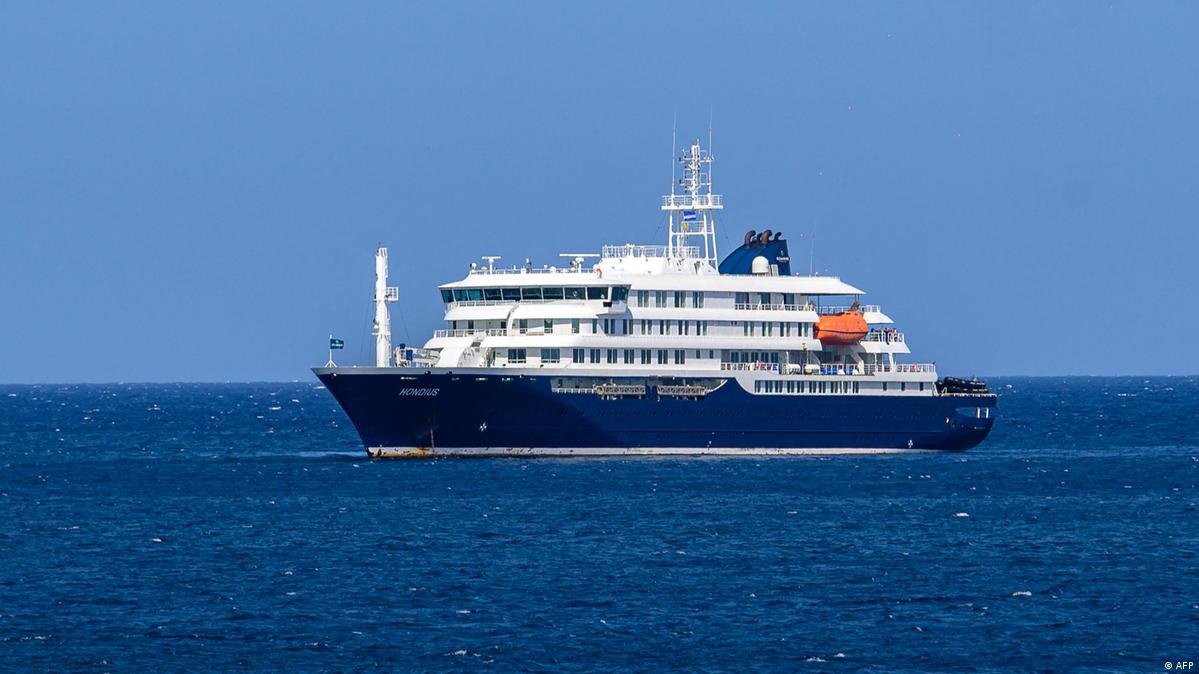
In the spring of 2026, a deadly cluster of severe respiratory illness unfolded aboard the MV Hondius, an expedition cruise ship traversing the South Atlantic Ocean, sending shockwaves through the global public health community and frightening thousands of travelers worldwide. The outbreak, which has been traced to hantavirus — a dangerous, rodent-borne pathogen — claimed the lives of at least three passengers, including two Dutch nationals and one German citizen, while leaving several others critically ill and requiring intensive medical intervention.
The incident is now being studied by health agencies including the World Health Organization (WHO), the Centers for Disease Control and Prevention (CDC), and the European Centre for Disease Prevention and Control (ECDC) as a stark reminder that infectious diseases do not respect geographic boundaries, border controls, or the luxury of a vacation itinerary.
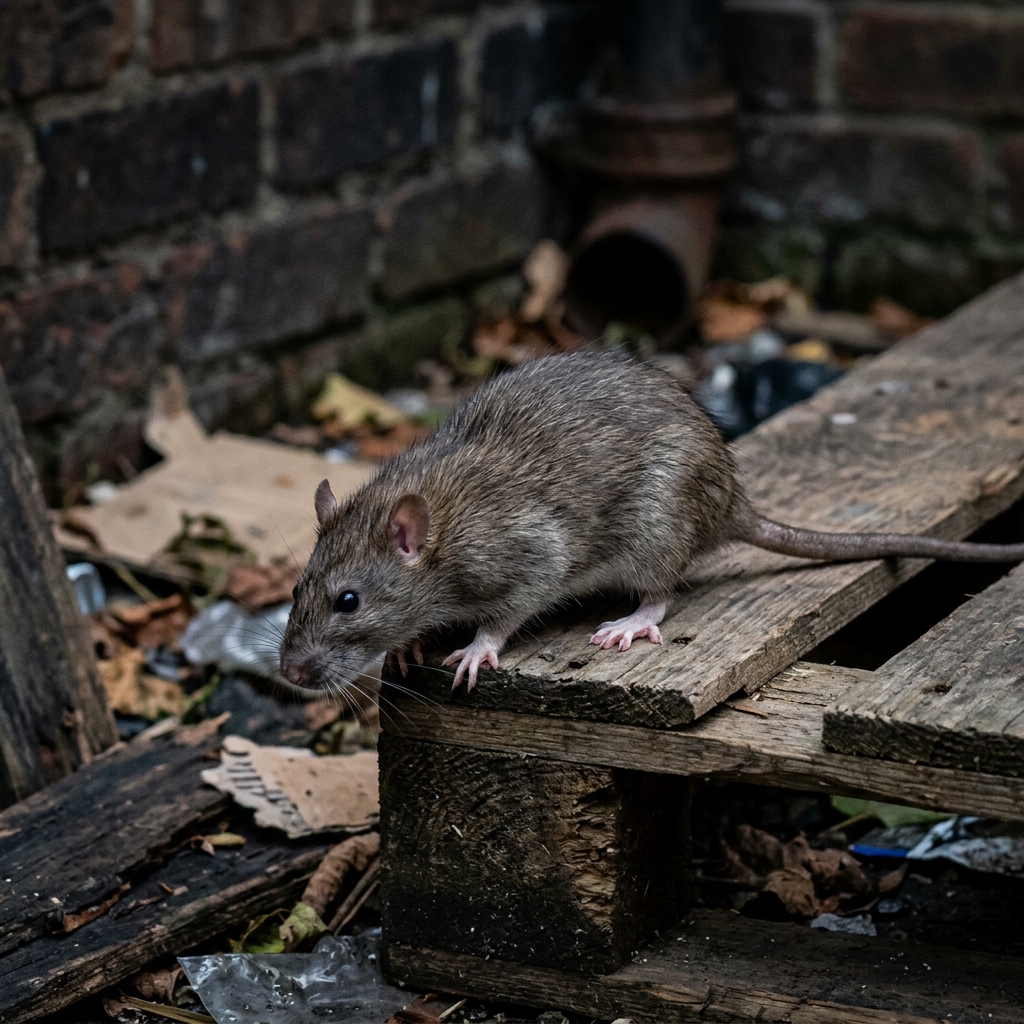
Hantaviruses are a family of zoonotic pathogens — meaning they originate in animals and cross over into humans — and they are distributed across every inhabited continent on Earth. The primary route of infection is inhalation of microscopic particles contaminated by the urine, droppings, or saliva of infected rodents. When rodents shed the virus into the environment, these particles can linger in the air of enclosed spaces, and a person who breathes them in may contract a potentially life-threatening infection. This mechanism explains why people who clean rarely opened cabins, barns, or storage rooms are at elevated risk.
While rodent bites can also transmit the virus, that route is far less common than aerosol exposure. Most importantly, and what makes the cruise ship outbreak particularly alarming, the specific strain identified in this cluster — the Andes orthohantavirus (ANDV) — is the only known hantavirus capable of spreading directly from person to person, a rare biological characteristic documented in South American cases and now confirmed in this international incident.
The Andes virus is endemic to South America, particularly Argentina and Chile, and it causes a severe and often fatal disease known as hantavirus pulmonary syndrome (HPS). Other strains of hantavirus found in Europe and Asia cause a different illness called hemorrhagic fever with renal syndrome (HFRS). While both diseases can be fatal, they attack the body in distinct ways. In HPS, which is the form caused by New World hantaviruses like the Andes strain, the infection progresses through an initial phase of flu-like symptoms — sudden high fever, intense muscle aches particularly in the hips, back, and shoulders, severe headache, chills, fatigue, and in many cases nausea, vomiting, and diarrhea.
These prodromal symptoms typically arise between one and eight weeks after initial exposure, with the WHO noting that most HPS cases begin showing signs within two to four weeks of contact with the virus. After this early phase, which can be mistaken for influenza or another common respiratory illness, HPS patients can deteriorate with startling speed. Within four to ten days of the prodromal onset, the lungs begin to fill with fluid, oxygen levels plummet, and the patient may require mechanical ventilation simply to breathe. Without aggressive intensive care, death can follow rapidly.
HFRS, by contrast, targets the kidneys and vascular system. Its initial presentation includes fever, headache, abdominal and back pain, chills, and blurred vision. As the disease progresses, patients can develop dangerously low blood pressure, widespread vascular leakage, and acute kidney failure that may require dialysis. The severity of HFRS varies considerably depending on the strain involved: the Puumala virus, which circulates across Scandinavia and northern Europe, causes a relatively mild form with a case fatality rate of less than one percent, while the Hantaan and Dobrava strains found in parts of Asia and southeastern Europe carry fatality rates as high as five to fifteen percent.
The Andes virus and other New World HPS-causing strains present the gravest statistical danger. The CDC has documented a case fatality rate of approximately 38 percent for HPS in the United States, and the WHO has noted that globally, new-world HPS can kill up to 50 percent of those infected when aggressive supportive care is unavailable. Those grim numbers make the MV Hondius outbreak a serious public health matter requiring immediate and transparent communication.

The timeline of the 2026 cruise ship outbreak reads like a cautionary tale about how quickly a seemingly contained situation can spiral across continents. The MV Hondius departed Ushuaia, Argentina, on April 1, 2026, carrying passengers on an expedition route through remote regions of the South Atlantic. Argentina is a known endemic zone for the Andes virus, and investigators believe most of the passengers who fell ill had been exposed to the pathogen during shore excursions or visits to rodent-inhabited environments before boarding or during the early part of the voyage.
The first passenger developed fever and respiratory distress on April 6. By April 11, that patient had died onboard. The virus had already, undetected, begun its silent spread. A close contact of the first victim disembarked at the remote British Overseas Territory of Saint Helena on April 24, fell gravely ill shortly after, and died on April 26 in a hospital in Johannesburg, South Africa. The following day, April 27, a third patient was evacuated by air to a South African intensive care unit and later confirmed positive for hantavirus by PCR testing. A fourth death occurred onboard on May 2. By May 4, the World Health Organization had officially reported seven cases — two confirmed by polymerase chain reaction laboratory testing and five more suspected — among passengers and crew. On May 6, the ship sailed for Tenerife in Spain’s Canary Islands, and the remaining sick passengers were evacuated or quarantined under strict health supervision.
The speed and geographic spread of this outbreak reveals just how thoroughly international travel has changed the landscape of infectious disease. Passengers from at least the Netherlands, Germany, the United Kingdom, and other European nations were potentially exposed. The involvement of Argentina, South Africa, Cape Verde, and Spain in the response chain required immediate coordination under the WHO’s International Health Regulations framework, with virological samples being sent to South Africa’s National Institute for Communicable Diseases (NICD) and the Institut Pasteur Dakar for PCR analysis and genetic sequencing to confirm the Andes strain and rule out other pathogens. The ECDC, recognizing the enclosed and shared environment of a cruise ship, classified all passengers and crew aboard as potential close contacts — a risk classification that carries significant implications for monitoring and quarantine protocols.
Diagnosing hantavirus infection is not a straightforward clinical exercise, particularly in the prodromal stage when symptoms closely mimic influenza, COVID-19, and other respiratory viruses. Definitive confirmation requires laboratory testing. Reverse-transcription PCR applied to blood or respiratory samples can detect viral RNA directly and is considered the gold standard during the acute phase of illness. Serology — specifically the detection of IgM and IgG antibodies against hantavirus antigens — provides confirmation in patients who have been ill for a week or more and in whom the body’s immune response is already underway.
Genetic sequencing and neutralization assays are then used to identify the specific strain and trace its origins. In the MV Hondius outbreak, this layered testing approach was essential to distinguishing the Andes strain from other hantaviruses and confirming that person-to-person transmission had likely occurred among the few cases with no direct rodent exposure history.
There is currently no approved vaccine for any hantavirus infection, and no specific antiviral drug has been proven to reliably treat established HPS or HFRS in clinical settings. This places the entire weight of patient survival on supportive care — and it is intensive, resource-demanding supportive care at that. Patients with severe HPS require hospital admission to facilities equipped with intensive care capabilities: supplemental oxygen, mechanical ventilation when respiratory failure sets in, careful fluid management to prevent compounding the pulmonary edema, and hemodynamic monitoring.
The WHO has explicitly stated that access to a fully equipped ICU can meaningfully improve survival outcomes for hantavirus patients, a statement that carries particular weight in low-resource settings where rural hospitals may not have such capabilities. For HFRS patients, management of the renal failure phase may require dialysis and careful electrolyte management. The window between symptom onset and clinical deterioration can be narrow, which is why clinicians who treat patients in areas where hantavirus is known to circulate — or who see patients returning from endemic regions — are urged to consider hantavirus as a differential diagnosis early and not wait for laboratory confirmation before initiating supportive interventions.
The global response to the MV Hondius outbreak has been measured, coordinated, and — crucially — has stopped short of calling for travel bans or mass public alarm. The WHO’s regional director has publicly stated that there is no justification for panic or restrictive travel measures. This is an important message, both epidemiologically and economically, since hantavirus does not spread through the air in the way that respiratory viruses like influenza do under ordinary social conditions. The virus does not pass from person to person through casual contact such as shaking hands, sitting near someone in a restaurant, or breathing shared indoor air.
The documented person-to-person spread linked to the Andes strain has occurred exclusively in the context of very close, prolonged contact — the kind that occurs between a caregiver and a patient or between intimate partners. For the general traveling public, the risk remains very low, and the WHO’s assessment is that if public health measures are implemented properly, neither travel restrictions nor widespread quarantine of the general population are warranted.
That said, prevention is not passive, and the lessons of this outbreak demand active attention from travelers, healthcare providers, and public health authorities alike. Rodent control is the cornerstone of hantavirus prevention in the community setting. The CDC advises that homes, workplaces, and cabins be sealed against rodent entry by closing gaps around pipes, vents, and foundations. Traps and professional pest control services should be employed where infestations are identified.
Crucially, when cleaning up areas that may have been contaminated by rodent droppings or nesting material, people should never sweep or vacuum, as doing so kicks viral particles into the air. Instead, the recommended approach is to soak the affected area with a disinfectant solution before carefully wiping it up with gloves and a mask in place. Farmers, pest control workers, hikers camping in rodent-heavy areas, and anyone who regularly handles animals or their enclosures are at heightened risk and should be especially vigilant.
For travelers venturing into South America or other regions where hantavirus strains are endemic, the guidance is practical and achievable without disrupting the travel experience. Avoiding proximity to rodents and their habitats — particularly in rural cabins, barns, or forested areas — is the most effective individual precaution. If any accommodation shows signs of rodent activity such as droppings, gnaw marks, or nesting material, guests should notify the management and request a room change or seek alternative lodging.
Anyone who develops a sudden high fever, severe muscle pain, and headache within one to eight weeks of potential rodent exposure — or of close contact with someone who was recently in an endemic area — should seek medical attention without delay and inform their physician of the possible exposure history. That epidemiological detail is essential for clinicians who would otherwise not consider hantavirus given how rare the infection remains at the global level.
The 2026 MV Hondius hantavirus cluster stands as a pivotal moment in the surveillance of zoonotic diseases in the era of mass international travel. It demonstrated that a pathogen acquired in one hemisphere can travel silently in a human host across oceans and alert health systems in multiple countries before it is even identified. It showed that the Andes virus, already distinguished by its capacity for person-to-person spread, can generate multi-country clusters when infected individuals board shared, enclosed vessels. And it confirmed that rapid, coordinated international laboratory and epidemiological response — not fear, not travel bans, not sensationalism — is the appropriate answer to such an event.
Hantaviruses infect only a few hundred people globally in a typical year, and improved rodent control and public awareness have helped reduce that number in some regions over recent decades. But when cases do occur, they are serious, and the difference between survival and death often comes down to whether the right diagnosis was made quickly enough to get the patient to the right level of care in time.
Staying informed, staying calm, and staying engaged with official guidance from the WHO, CDC, and national health agencies remains the most important thing any member of the public can do in response to an outbreak like this one.
Sources: Nana Kwaku A. Ofori