
We will not rest until we bring this outbreak under control.
Dr Tedros Adhanom Ghebreyesus

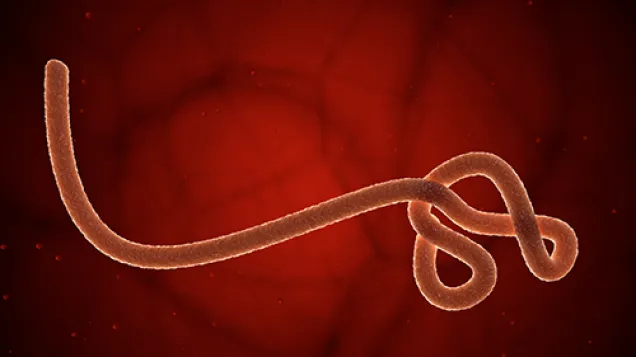
The Democratic Republic of the Congo and neighbouring countries are confronting a rapidly evolving Bundibugyo Ebola outbreak that the World Health Organization has declared a public health emergency of international concern. This article explains the outbreak’s current scope, the WHO-led response in partnership with Africa CDC and national governments, the immediate actions communities and health systems must take, and the scientific and operational pathways being pursued to stop transmission and save lives.
The scale and speed of the outbreak demand urgent attention. Official reporting shows confirmed cases concentrated in the DRC with spillover into Uganda, and a much larger number of suspected cases and deaths that indicate the epidemic is outpacing detection and response efforts. WHO’s risk assessment was recently raised to “very high” at the national level, while regional risk remains high and global risk is assessed as low; nonetheless, countries bordering the DRC are at especially high risk and must take immediate, coordinated action. These assessments are critical for searchers and decision makers who need to prioritize surveillance, cross-border coordination, and resource allocation now.
Frontline response priorities are clear and evidence-based: rapid case detection, rigorous contact tracing, safe and compassionate case management, strengthened laboratory capacity, strict infection prevention and control, and intensive risk communication and community engagement. WHO is supporting national authorities on every pillar of the response while working with Africa CDC to establish a continental Incident Management Support Team and finalize a multi-agency Strategic Preparedness and Response Plan aligned with national strategies. For clinicians and health administrators, this means scaling up isolation and treatment centers, ensuring personal protective equipment and training for staff, and implementing standardized protocols for triage and referral to reduce nosocomial transmission.
The WHO Director-General emphasized that community-based interventions must be prioritized where there is a trust deficit, and that security incidents at health facilities underscore the need for culturally sensitive engagement and protection of health workers. Search engines and social platforms are amplifying public concern; accurate, empathetic messaging that counters misinformation will improve cooperation with contact tracing and safe burial practices, which are proven to reduce transmission.
Scientific countermeasures are being fast-tracked even as operational response scales up. Unlike more common Ebola strains, Bundibugyo virus currently has no approved vaccines or therapeutics, and only two prior outbreaks have been recorded historically. WHO has convened partners under an interim Medical Countermeasures Network to review candidate vaccines, therapeutics, and diagnostics. The organization has recommended prioritizing two monoclonal antibodies for advancement into clinical trials and is evaluating the antiviral obeldesivir as a potential post-exposure prophylaxis for high-risk contacts. For researchers and funders, this is a call to accelerate clinical trial readiness, ethical review, and manufacturing scale-up while ensuring trials are conducted in partnership with affected countries.

Financial and logistical support is already being mobilized. WHO released emergency funds to support immediate operations, and regional leaders have announced contributions to strengthen the Africa CDC response. Yet the Director-General warned that the outbreak will “get worse before it gets better,” and that the speed of the response will determine how many lives are lost before transmission is halted. This stark reality should drive donors, multilateral agencies, and national governments to prioritize rapid disbursement of resources, surge staffing, and supply chain solutions for diagnostics, therapeutics, and protective equipment.
For clinicians and public health practitioners, early recognition and isolation of suspected cases, immediate notification of public health authorities, and meticulous contact tracing are non-negotiable. Health facilities must reinforce infection prevention and control protocols, ensure safe patient flow, and maintain clear referral pathways to specialized treatment centers. Laboratory networks should prioritize rapid diagnostic turnaround and data sharing to inform real-time response decisions.
Media, journalists, and content creators play a vital role in shaping public understanding. Accurate reporting that cites official sources, explains the difference between confirmed and suspected cases, and highlights protective behaviours—such as avoiding contact with symptomatic individuals, practicing hand hygiene, and following public health guidance—will reduce panic and improve compliance.
Researchers, funders, and pharmaceutical partners should prioritize rapid, ethically conducted clinical trials for candidate monoclonal antibodies and antivirals, while accelerating vaccine evaluation and manufacturing discussions. Diagnostics developers must focus on point of care tests that can be deployed in remote and insecure settings to shorten the time from symptom onset to isolation. Investment in cold chain logistics, mobile laboratories, and community health workforce training will pay immediate dividends in outbreak control.
Individuals and communities can protect themselves by staying informed through official channels, cooperating with contact tracers, and following public health guidance on safe caregiving and burial practices. Avoiding stigmatization of affected families and communities is essential; social solidarity supports faster reporting and better outcomes. Local leaders should be empowered to lead culturally appropriate outreach that respects traditions while protecting public health.
This outbreak is a test of speed, solidarity, and science. The WHO, Africa CDC, and national governments are mobilizing resources, expertise, and partnerships to stop transmission, expand clinical trials, and protect vulnerable populations. The path to control is clear: detect early, isolate quickly, trace contacts thoroughly, engage communities respectfully, and accelerate medical countermeasures.
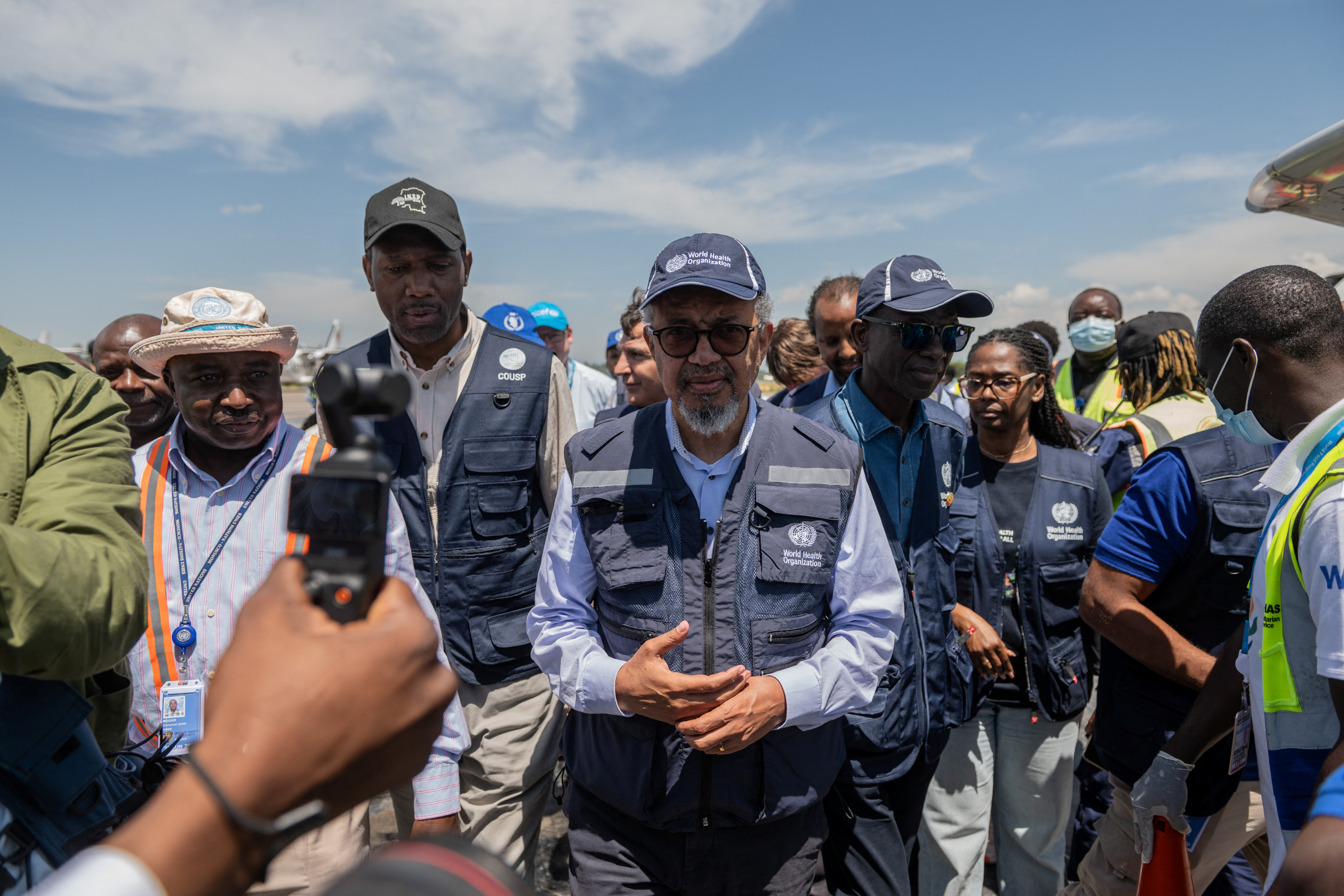
The global health community’s response will determine how quickly the outbreak is contained and how many lives are saved. As the WHO Director General said, “We will not rest until we bring this outbreak under control.” That commitment must be matched by rapid funding, operational scale-up, community trust-building, and scientific urgency. If you are a health professional, policymaker, journalist, or concerned citizen, use this moment to act decisively: support surveillance, protect health workers, and amplify accurate information that helps stop transmission now.