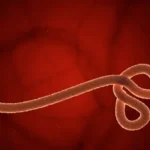

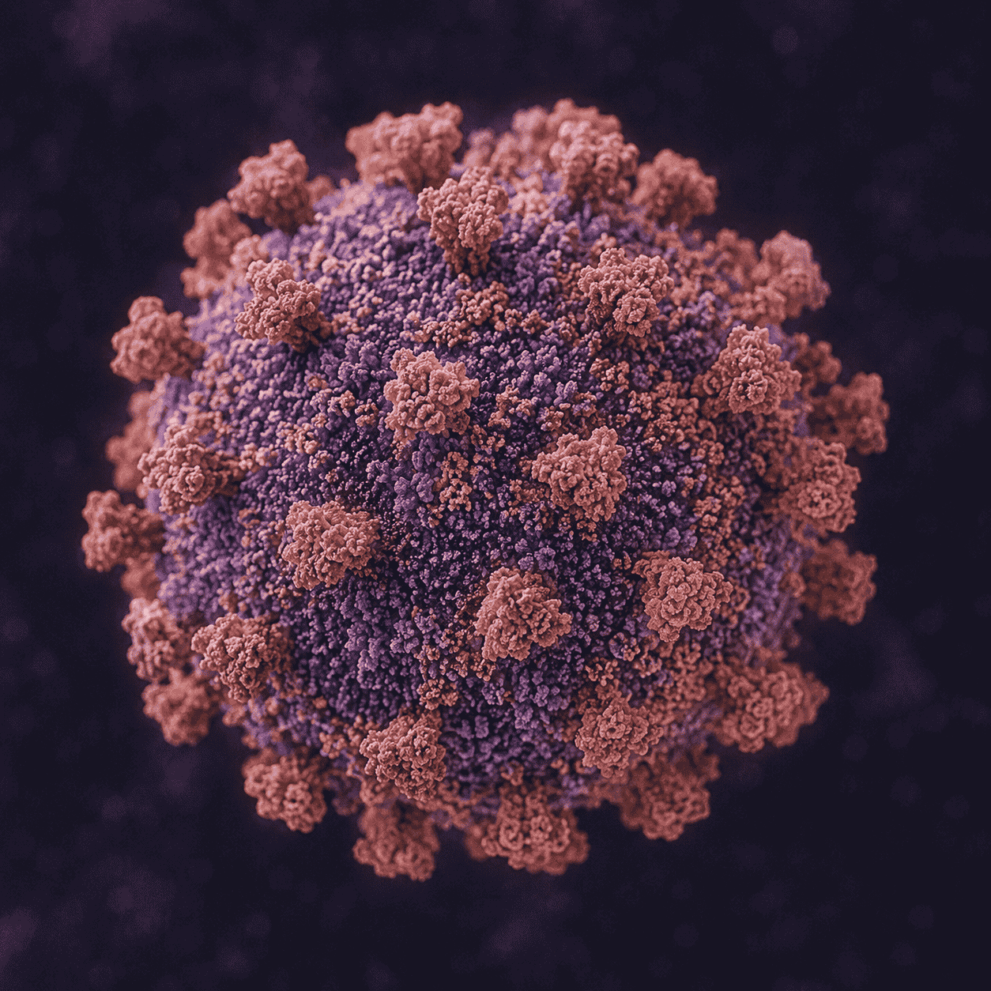
Hantavirus is a family of viruses carried primarily by rodents, capable of causing severe and potentially fatal disease in humans. Among the dozens of known strains circulating around the world, one stands apart as uniquely dangerous and scientifically significant — the Andes strain. Formally classified as Orthohantavirus andesense, the Andes virus has drawn growing international attention, most recently following a confirmed outbreak aboard a cruise ship in the Atlantic Ocean in May 2026, where the virus infected multiple passengers and crew members and claimed several lives. Understanding what this virus is, how it behaves in the human body, what signs and symptoms it produces, and what steps to take after potential exposure is no longer a matter of academic interest — it is a matter of urgent public health awareness.
The Andes virus is a type of hantavirus endemic to South America, with the highest concentration of cases historically recorded in Argentina and Chile. It belongs to the family Hantaviridae and, like other hantaviruses, is maintained in nature through rodent reservoir hosts — in this case, primarily the long-tailed pygmy rice rat (Oligoryzomys longicaudatus). Humans typically encounter the virus through contact with infected rodents or through exposure to their urine, saliva, or feces, most often by inhaling airborne particles from these contaminated materials.
What makes the Andes strain categorically different from all other known hantavirus strains is its confirmed capacity for person-to-person transmission. Of the approximately 38 known hantavirus strains worldwide, Andes is the only one documented to spread directly from an infected person to another human being. This mode of transmission, while still considered rare relative to rodent-to-human infection, was first confirmed during a nosocomial — that is, hospital-acquired — outbreak of Hantavirus Pulmonary Syndrome in southern Argentina in 1996. Person-to-person transmission of the Andes virus typically requires prolonged and close contact with someone who is actively symptomatic, including direct physical contact, extended time in shared or enclosed spaces, and exposure to an infected person’s bodily fluids such as saliva or respiratory secretions.
This distinction has profound implications for outbreak containment. Because most hantavirus strains are dead ends when they infect a human — meaning the virus does not continue spreading from person to person — standard infection control strategies are relatively straightforward. With the Andes strain, the calculus changes. Healthcare workers have previously acquired Andes virus infections from patients in clinical settings, making proper personal protective equipment and isolation protocols especially critical.
The virus primarily causes a severe respiratory condition known as Hantavirus Pulmonary Syndrome, or HPS. When humans are infected, the immune system mounts an aggressive response that, paradoxically, causes a great deal of the damage associated with the disease. As one infectious disease expert noted in response to the 2026 cruise ship outbreak, many of these viruses end up harming patients not purely from the infection itself but from the body’s own immune response spiraling out of control.
The cardiopulmonary manifestations of Andes virus infection can be catastrophic, involving fluid accumulation in the lungs, falling blood pressure, cardiac shock, and, in a significant proportion of cases, death. The case-fatality rate for Hantavirus Pulmonary Syndrome caused by the Andes strain is estimated to range between 30 and 60 percent, placing it among the most lethal respiratory viral infections known to medicine.
It is important to note that while Andes virus causes HPS — a disease of the lungs and cardiovascular system — other hantavirus strains circulating in Europe and Asia tend to cause a distinct condition called Hemorrhagic Fever with Renal Syndrome, or HFRS, which targets the kidneys rather than the lungs. The geographic and clinical difference between these two presentations reflects the diversity of hantavirus biology, but for anyone in or near South America, or anyone who has been in contact with a confirmed case, the Andes strain and HPS are the primary concern.
One of the most dangerous characteristics of Andes virus infection is how deceptively mild the earliest symptoms appear. Because the initial phase of illness closely resembles influenza, many patients — and even some clinicians unfamiliar with the virus — may not immediately suspect hantavirus infection. This is especially problematic given that the disease can progress with alarming speed. In one widely reported case from the 2026 cruise ship outbreak, a 69-year-old woman was aboard a plane just 24 hours before she died, illustrating just how rapidly the virus can escalate from apparent illness to fatal deterioration.
The incubation period for Andes virus — the time between exposure and the onset of symptoms — ranges from 4 to 42 days, with an average incubation of approximately two weeks. This wide window creates significant challenges for disease tracking and containment, as individuals can travel broadly or interact with others during the incubation period without any awareness that they have been exposed. Of particular concern is the possibility that people may be capable of spreading the virus before they themselves develop noticeable symptoms, further complicating efforts to identify and isolate cases early.
The early, or prodromal, phase of Hantavirus Pulmonary Syndrome due to Andes virus is characterized by fatigue, fever, and muscle aches. The muscle pain is typically concentrated in the larger muscle groups — the thighs, hips, back, and sometimes the shoulders — and can be severe enough to be debilitating. Approximately half of all patients also experience headaches, dizziness, chills, and a range of gastrointestinal complaints including nausea, vomiting, diarrhea, and abdominal pain. Chest pain may also emerge during this prodromal phase. Because these symptoms are shared with countless other viral illnesses, the window of initial assessment is frequently missed, and the patient may not receive the level of clinical vigilance that Andes virus demands.
What follows the prodromal phase is where the disease becomes acutely life-threatening. After several days of flu-like illness, patients can deteriorate with startling swiftness into a cardiopulmonary crisis. The lungs begin to fill with fluid — a condition known as pulmonary edema — causing severe shortness of breath and an increasingly desperate need for oxygen. A dry cough develops and worsens. Blood pressure drops dangerously low as the cardiovascular system comes under strain, and the heart may begin to fail. This phase, which typically unfolds over two to seven days following the prodromal period, is responsible for the high mortality associated with Andes virus infection. Without access to intensive care — including mechanical ventilation, vasopressors to support blood pressure, and careful fluid management — the probability of death rises sharply.
A key clinical point is that the severity of the disease does not always correspond to how severely ill the patient initially appears. Someone who seems to be managing a moderate respiratory illness in the morning may be in full cardiopulmonary collapse by evening. This unpredictability demands that any patient with known or suspected exposure to Andes virus be monitored extremely closely, ideally in a hospital setting with intensive care capabilities available. Secondary infections among healthcare workers have been documented, reinforcing the need for rigorous protective measures throughout the course of care.
If you believe you have been exposed to the Andes strain of hantavirus — whether through contact with rodents in South American environments, through being in close proximity to a person who has been diagnosed with or is suspected of having Andes virus infection, or through any of the confirmed routes of transmission — taking immediate and deliberate action is essential.
The most important first step is to contact a medical professional without delay, particularly if you are already experiencing any symptoms consistent with Hantavirus Pulmonary Syndrome. The Centers for Disease Control and Prevention explicitly state that anyone who may have had contact with a person carrying Andes virus and is experiencing symptoms should seek medical care immediately. Do not attempt to manage what might appear to be a mild flu-like illness at home and assume it will pass on its own. Given the rapidity with which Andes virus infection can progress, early clinical evaluation is critical. When you speak with a healthcare provider, be as specific as possible about the nature of your potential exposure — where you were, when the exposure may have occurred, whether you were in rodent-infested environments, and whether you had close contact with anyone known or suspected to be infected.
It is equally important, while awaiting or seeking medical care, to take precautions that minimize the risk of spreading the virus to others. Avoid kissing, sexual contact, and any other close physical contact with people around you. Do not share drinks, food, eating utensils, cigarettes, hookah pipes, or vapes with others, as the virus can be transmitted through saliva and close contact. Wash your hands frequently and thoroughly with soap and water, particularly after contact with potentially contaminated surfaces. Maintain as much physical distance as practically possible from other people, especially in enclosed spaces.

If you are a healthcare worker who has had unprotected exposure to a patient with confirmed or suspected Andes virus infection, your institution’s infection control team must be notified immediately. Standard contact and droplet precautions — including gowns, gloves, surgical masks, and eye protection — are recommended during the care of suspected or confirmed cases. In situations involving aerosol-generating procedures, respiratory protection should be elevated to N95 respirators or equivalent.
From a diagnostic standpoint, Andes virus infection is confirmed through testing for hantavirus nucleic acid, specific viral proteins, or hantavirus-specific antibodies in the blood. These tests must be conducted by specialized laboratories, and your healthcare provider will coordinate the appropriate testing if clinical suspicion warrants it. No clinician should rely solely on symptom presentation, particularly in the early phase of the illness when the picture so closely resembles common influenza.
Regarding treatment, it is critical to set realistic expectations. As of 2026, there is no specific antiviral drug approved for the treatment of Andes virus infection, and there is no vaccine available to prevent it. Treatment is entirely supportive — meaning that medical care is focused on keeping the body’s vital systems functioning while the immune system fights the infection. This can include supplemental oxygen and mechanical ventilation to support breathing, intravenous fluids to address dehydration, vasopressor medications to maintain blood pressure, and intensive monitoring in a critical care unit. The earlier supportive care is initiated, the better the chance of survival. Research into potential treatments, including experimental monoclonal antibody therapies targeting the virus, is ongoing, but none have yet received standard clinical approval for widespread use.
Those who recover from Andes virus infection are thought to develop immunity against subsequent infections, as repeated hantavirus infections have not been observed clinically. However, this should offer little comfort during an active exposure scenario, and recovery should in no way be assumed without formal medical evaluation and care.
Prevention of Andes virus infection rests on two complementary pillars: avoiding rodent contact and limiting exposure to infected individuals. For travelers to South American countries where the Andes virus is endemic, this means being especially careful in rural, forested, and agricultural areas where the reservoir rodent populations are active. Avoid entering structures known to be infested with rodents. If you must work in or clean environments that may harbor rodents or their droppings, use appropriate respiratory protection such as an N95 respirator, wear gloves, and properly ventilate the space before entering. Do not sweep or vacuum rodent droppings dry, as this can aerosolize viral particles — instead, use wet cleaning methods with appropriate disinfectants.
In the context of person-to-person transmission, the precautions described above — hand hygiene, avoiding close contact, not sharing personal items — are the most practical protective measures for the general public. There are no prophylactic antivirals or vaccines that can be administered after exposure to prevent infection from taking hold. Surveillance, early detection, and rapid isolation of confirmed cases remain the most powerful tools available to public health authorities managing outbreaks.
The Andes strain of hantavirus is a sobering reminder of how a pathogen largely confined to a specific geographic region can, in an era of global travel and interconnection, suddenly become a matter of worldwide concern. It is lethal, it is underrecognized in its early stages, and its capacity for person-to-person transmission places it in a different category from its hantavirus relatives. Staying informed, recognizing the warning signs, seeking immediate medical care upon any potential exposure, and following public health guidance are the most powerful tools any individual has against this formidable virus.
Source: Nana Kwaku A. Ofori.