
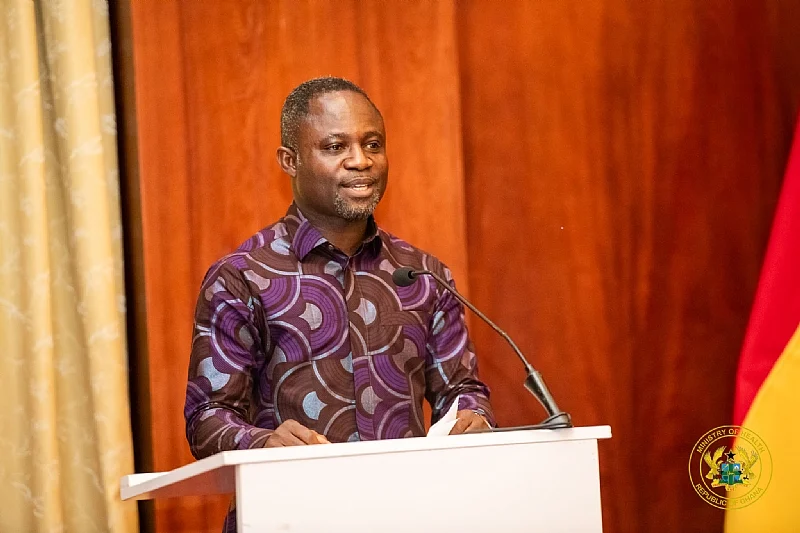

The Ministry receives daily updates on Ebola cases and trends across the continent.
Honorable Kwabena Mintah Akandoh
Ghana’s health leadership has signaled a heightened state of vigilance as Ebola outbreaks re-emerge in parts of Africa, announcing intensified surveillance, cross-border coordination, and daily data-driven decision making to protect communities and prevent local transmission. This comprehensive article explains what the public needs to know about Ghana’s preparedness, the role of the Ghana Health Service, regional collaboration through African Union platforms, and practical prevention steps citizens can take to stay safe and informed.
The government’s message is clear: early detection, rapid response, and regional cooperation are the pillars of effective outbreak control. Health Minister Kwabena Mintah Akandoh emphasized that Ghana is receiving daily updates on Ebola cases and trends across the continent, enabling authorities to assess risk levels and adapt preparedness measures in real time.
Ghana Health Service and Ministry of Health working as one entity is central to the response architecture. The minister clarified the institutional relationship, explaining that the Ghana Health Service operates as an agency under the Ministry of Health, and that their activities are coordinated as a single operational unit to implement health policies and emergency responses. This unified structure is intended to streamline decision-making, resource allocation, and public communication during health emergencies.
Border vigilance and cross-border intelligence sharing are especially important given Ghana’s geographic links with neighboring countries. The minister highlighted that cases detected in neighboring states such as Côte d’Ivoire or Togo immediately change Ghana’s risk profile, prompting heightened surveillance at points of entry and targeted public health actions. “We are monitoring the situation together with other countries,” he said, reflecting the regional approach to outbreak prevention and the need for synchronized measures across borders.
Regional platforms and ministerial coordination play a vital role in preparedness. Health ministers across Africa use forums established by the African Union and other regional bodies to exchange data, coordinate preparedness plans, and align emergency responses. Some of the information shared in these forums is not released publicly but is essential for planning and rapid action, enabling countries to anticipate risks and mobilize resources before local transmission occurs.
What this means for Ghanaian communities is straightforward: vigilance and public education remain top priorities. The Ministry of Health has committed to providing timely, accurate information about Ebola’s causes, symptoms, and prevention measures so that citizens can recognize warning signs and report suspected cases early. Early reporting and community cooperation are repeatedly cited by public health experts as the most effective ways to limit spread and save lives.
From a public health perspective, the most important actions include strengthening surveillance systems, ensuring rapid laboratory testing capacity, training frontline health workers, and maintaining clear communication channels with the public. Ghana’s approach emphasizes robust surveillance systems and swift response mechanisms to detect and contain any imported or locally transmitted cases. These systems include monitoring at airports, land borders, and health facilities, as well as community-level reporting networks that can flag unusual clusters of illness.
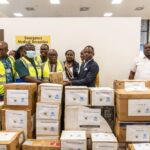
Honorable Kwabena Mintah Akandoh during his inspection of the Accra International Airport and the Noguchi Memorial Institute for Medical Research and the Ghana Infectious Disease Centre in the quest to prepare for the Ebola outbreak
Healthcare readiness also depends on logistics and resource planning. Stockpiles of personal protective equipment, isolation facilities, diagnostic supplies, and trained rapid response teams are essential components of preparedness. Coordination with international partners and regional bodies helps Ghana access technical support, laboratory networks, and emergency supplies when needed. The minister’s remarks point to ongoing collaboration with regional and international partners to prevent potential outbreaks from taking hold.
For individuals, recognizing Ebola symptoms and following prevention guidance can reduce risk. Common symptoms to watch for include sudden fever, severe weakness, muscle pain, headache, sore throat, vomiting, diarrhea, and unexplained bleeding or bruising. If someone develops these symptoms after travel to affected areas or contact with a suspected case, they should seek medical attention immediately and inform health workers about possible exposure. Prompt reporting and isolation of suspected cases are critical to stopping transmission chains.
Public communication must balance transparency with accuracy. Officials must provide clear, actionable guidance without causing unnecessary alarm. The minister’s pledge to keep citizens informed about causes, symptoms, and prevention reflects this balance: the goal is to empower communities with knowledge while ensuring that health systems remain calm, coordinated, and ready to act. Trusted, consistent messaging reduces misinformation and helps communities adopt protective behaviors.
Media outlets, community leaders, and health educators have a role to play in amplifying accurate information. Local radio, social media channels, and community health volunteers can disseminate prevention tips, explain when to seek care, and encourage early reporting. Community engagement also supports contact tracing and helps public health teams identify potential exposure networks quickly. The minister’s comments about regular ministerial exchanges and behind-the-scenes data sharing highlight how coordinated communication supports operational readiness.
International cooperation remains a cornerstone of outbreak control. Ghana’s engagement with regional partners and international health bodies ensures access to surveillance data, technical guidance, and emergency resources. These partnerships enable rapid mobilization of expertise and supplies when outbreaks occur elsewhere on the continent, reducing the likelihood of uncontrolled spread into Ghana. The minister’s assurance that Ghana is working closely with regional and international partners reflects a proactive stance that prioritizes prevention and preparedness.
In practical terms, travelers and border communities should be aware of evolving risk levels and follow official travel advisories. Health authorities may implement targeted screening, temporary travel guidance, or enhanced surveillance in response to confirmed cases in neighboring countries. Communities near border crossings should remain alert and report unusual illnesses to local health facilities. These measures are designed to detect cases early and prevent wider transmission.
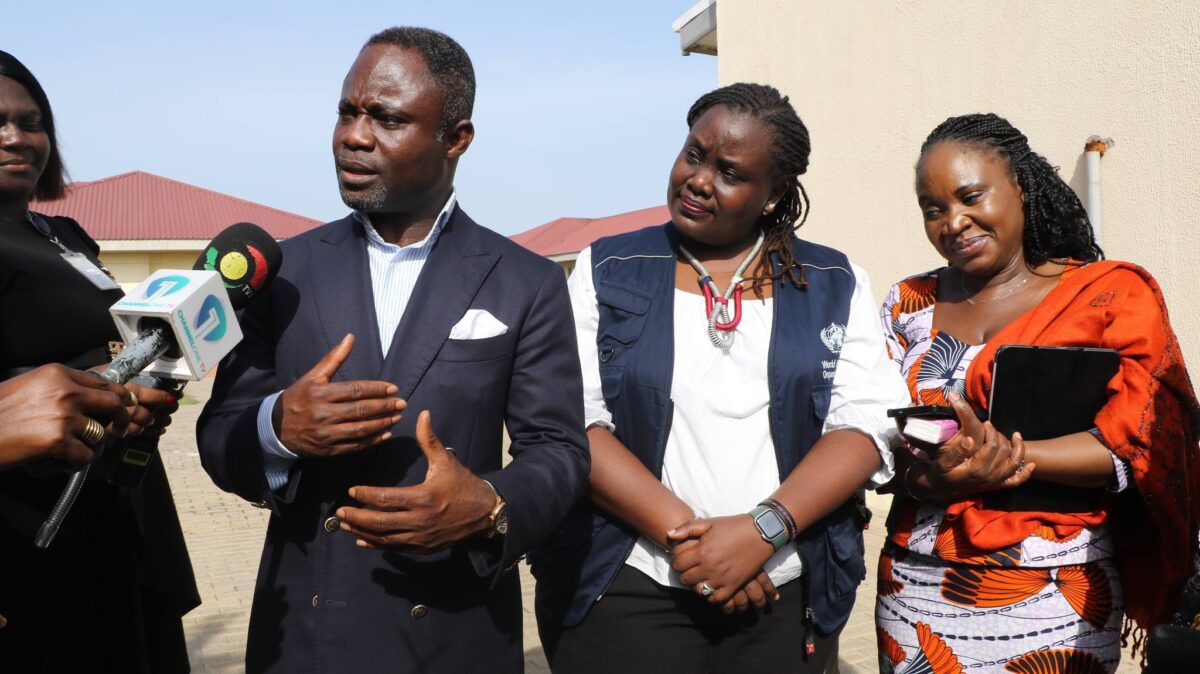
The broader lesson from Ghana’s approach is that preparedness saves lives. By combining daily data monitoring, unified institutional response, regional coordination, and public education, Ghana aims to keep Ebola at bay while protecting health system capacity. Citizens can support these efforts by staying informed through official channels, practicing recommended hygiene measures, and reporting suspected cases promptly. Collective vigilance, backed by strong public health systems, is the most reliable defense against infectious disease threats.
“We receive the figures every day. We know how the situation is evolving, where the virus is spreading and all the related developments,” the minister said, highlighting the continuous intelligence flow that underpins Ghana’s response. This daily monitoring, combined with regional collaboration, is central to preventing outbreaks from taking root.
By staying informed, practicing preventive measures, and supporting public health efforts, communities can help ensure that Ghana remains resilient in the face of infectious disease threats. The country’s emphasis on surveillance, coordination, and early reporting offers a model for proactive outbreak preparedness that prioritizes both public safety and health system stability.