
The key to ending the outbreak is not just biomedical, but relies on government leadership, community ownership, and building trust
WHO
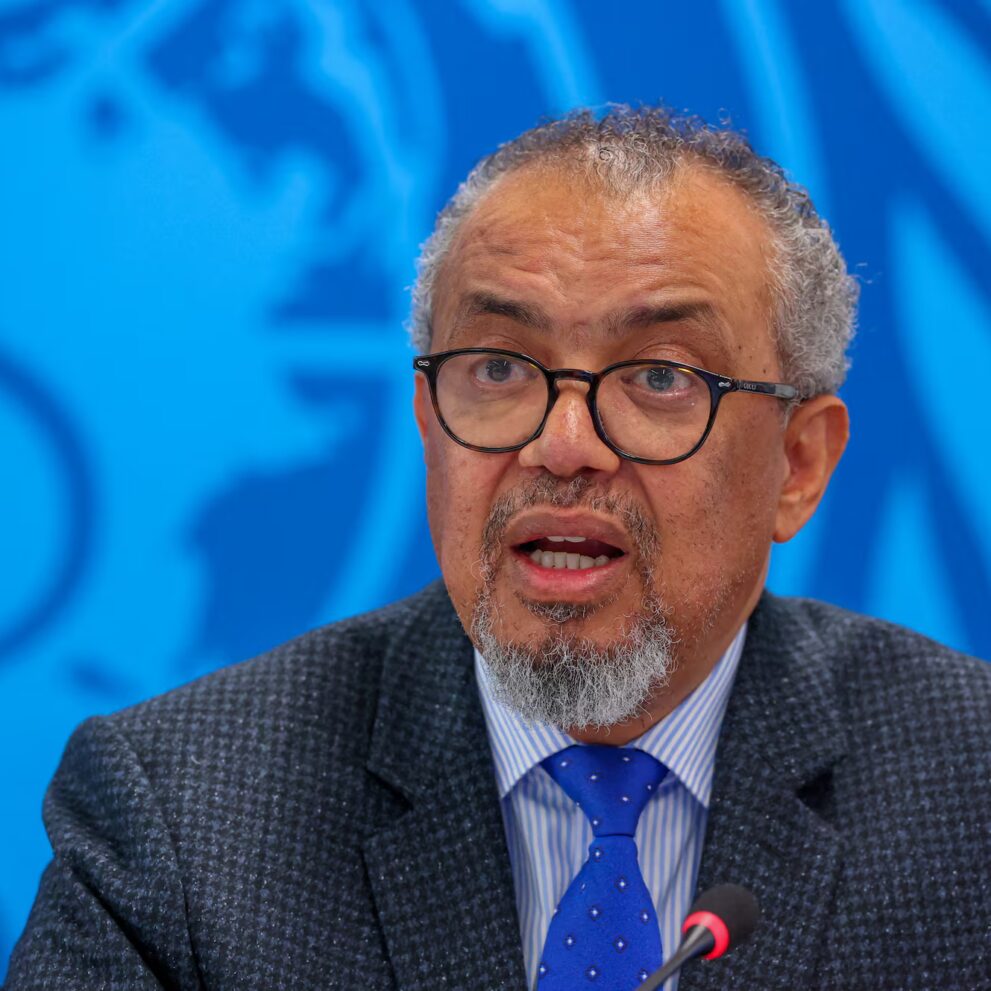
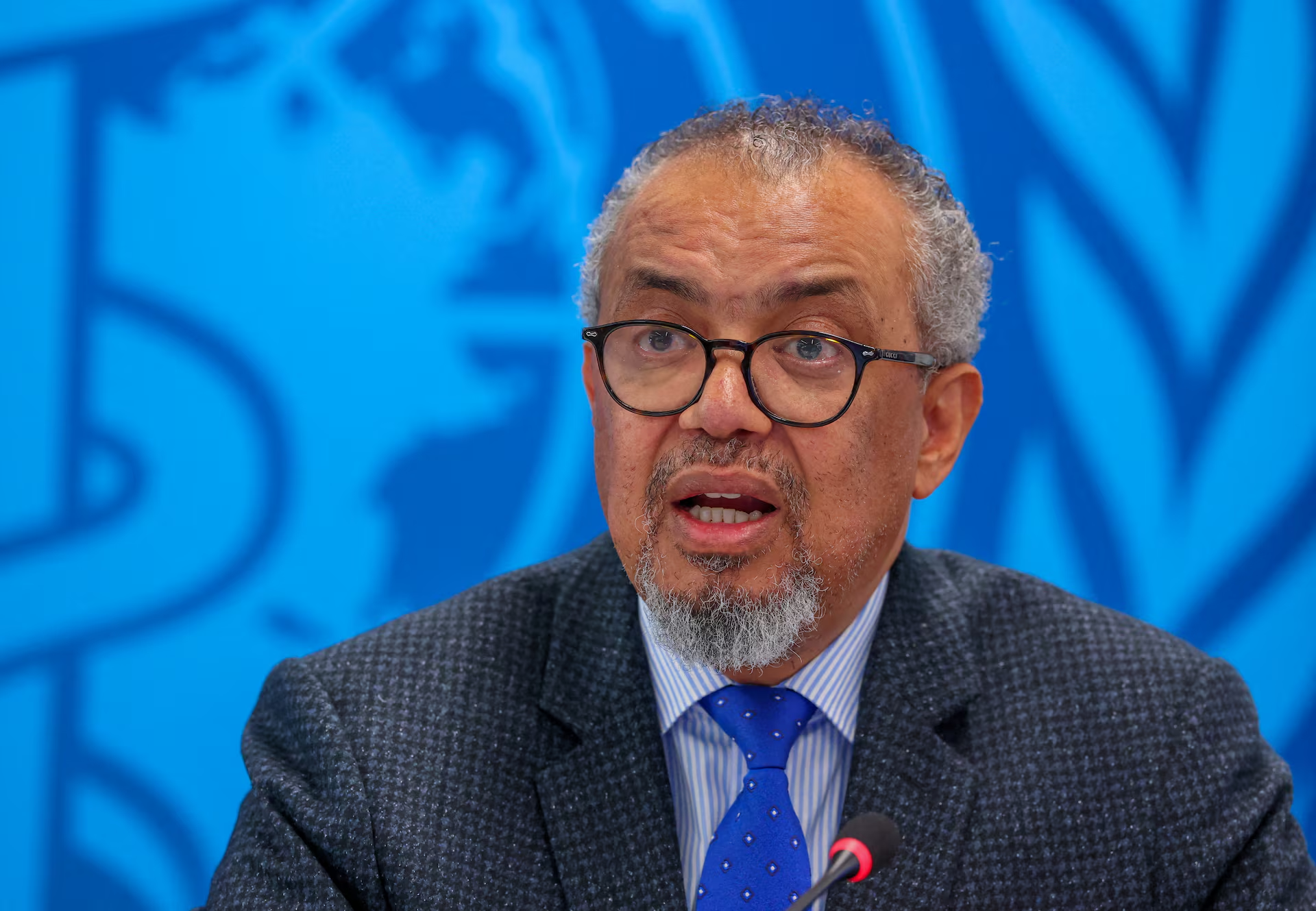
The world is once again confronting one of the most feared and lethal pathogens known to science. A rapidly escalating Ebola virus outbreak, caused by the Bundibugyo strain, is tearing through the Democratic Republic of the Congo, and global health authorities are now sounding the loudest alarms since the catastrophic West Africa outbreak of 2014. The World Health Organization convened an urgent press conference on June 3, 2026, to deliver a sobering assessment of the crisis, disclosing statistics that demand the attention of every government, health ministry, and international development partner on the planet. With 344 confirmed cases, 60 deaths, and infections already crossing into neighboring Uganda — and a United States citizen currently receiving treatment in Germany — what began as a regional health emergency is fast becoming a test of humanity’s collective will to respond.
The outbreak has been confirmed across 24 health zones spanning three provinces in the eastern Democratic Republic of the Congo: Ituri, North Kivu, and South Kivu. These are among the most volatile and conflict-affected regions in all of sub-Saharan Africa, areas long burdened by decades of armed conflict, displacement, and institutional fragility. WHO officials speaking at the June 3 press conference made no attempt to minimize the severity of what is unfolding. The organization has classified the risk as “very high” at the national level, “high” at the regional level, and “low” at the global level — assessments that carry enormous weight for governments making decisions about travel advisories, border protocols, and humanitarian funding allocations.
What makes this outbreak particularly alarming to public health experts is the nature of the Bundibugyo virus itself. Unlike the more commonly known Zaire strain, the Bundibugyo ebolavirus is one of six identified species of the Ebola virus genus and has a documented history of causing significant fatality in previous outbreaks, including the 2007–2008 event in Uganda that first brought this specific strain to global attention. The fact that it has now re-emerged with force in the eastern DRC, a country already overwhelmed by one of the world’s most complex humanitarian crises, creates conditions that WHO officials have described as extraordinarily difficult to manage.
The human toll of this outbreak is already deeply personal. Among those infected is a United States citizen who contracted the virus in the Democratic Republic of the Congo and is currently receiving specialized medical care in Germany. This development carries significant geopolitical and logistical implications, demonstrating that the Bundibugyo Ebola virus is not constrained by geography or national borders. In Uganda, health authorities have confirmed 15 cases and at least one death, a sobering indication that the virus is exploiting the porous borders and constant cross-community movement that characterize life in the Great Lakes region of central Africa.
WHO’s Global Director of Emergency Preparedness and Response addressed reporters directly on the state of diagnostics and laboratory capacity, one of the most urgent bottlenecks in the current response. “Scaling up laboratory capacity is a top priority,” officials confirmed, noting that the WHO has already deployed 2,000 tests to Bunia, the capital city of Ituri Province, and is actively working to establish mobile laboratories in affected areas. However, the agency acknowledged that severe personnel shortages are compromising testing efforts. Health workers themselves have been infected or placed in quarantine, creating a cascading workforce crisis at the very moment when trained medical personnel are most desperately needed. Without expanded, reliable, and rapid diagnostic testing, the full scope of the outbreak remains difficult to assess, and the backlog of suspected cases — currently standing at 116 — further complicates the picture. WHO representatives stressed that this figure is being worked through systematically, but acknowledged that resolving it requires resources, stability, and local cooperation that are not always guaranteed.

One of the most troubling revelations of the June 3 press conference was the state of contact tracing operations. Currently, only 45 percent of contacts have been successfully followed up, according to WHO data presented at the briefing. The agency has set a target of above 90 percent — a benchmark that reflects the epidemiological consensus on what is required to break a chain of Ebola transmission. The gap between where the response currently stands and where it needs to be is not merely a logistical failure; it is a direct risk factor for continued spread. “Only 45 percent of contacts have been followed up,” WHO officials stated, making clear that this figure must improve dramatically and rapidly if the outbreak is to be brought under control.
The reasons for this contact tracing shortfall are multiple and deeply rooted. Insecurity across Ituri, North Kivu, and South Kivu makes routine field operations extraordinarily dangerous. Armed groups operate freely across many of the affected zones, making it impossible for health workers to safely enter certain communities. Population displacement further fragments contact networks, as individuals who have been exposed to the virus move from one area to another before they can be identified, monitored, and isolated. “Insecurity and displacement make this especially difficult,” WHO acknowledged in its assessment, language that captures what is in reality an almost impossible operational environment.
Community mistrust presents an equally serious and arguably more psychologically complex barrier to an effective Ebola response. WHO officials revealed that some community leaders in affected areas do not believe that Ebola is a real disease. “Some leaders believe Ebola is not real or is a fabrication,” officials stated at the press conference, a disclosure that illuminates just how profoundly the credibility of health institutions has eroded in parts of the DRC. This mistrust is not irrational from the perspective of communities that have experienced years of exploitation, violence, and broken promises from both domestic and international actors. When government and international organizations arrive in vulnerable communities claiming that an invisible and deadly virus is killing people, and asking families to surrender their sick and dying to strangers in protective equipment, the skepticism they encounter reflects a historical relationship built on distrust.
Trust-building requires patience, sustained presence, culturally competent communication, and — critically — the visible involvement of local leaders and community health workers who are already embedded in the communities most affected. International agencies alone, arriving with equipment and protocols designed in distant capitals, cannot manufacture the social permission that is essential for effective epidemic control.
Logistics and the movement of supplies represent another dimension of the crisis that the WHO addressed with particular urgency. Travel restrictions imposed by various authorities in response to the outbreak are having unintended consequences that may ultimately worsen the situation they were designed to contain. Blanket travel restrictions are disrupting the very supply chains that humanitarian responders depend on to move medicines, protective equipment, diagnostic tools, and food into affected zones.
WHO officials were unambiguous in their recommendation: “Exit screening instead of closures,” they stated, a policy position grounded in evidence from previous outbreaks demonstrating that smart, targeted public health screening at exit points is both more effective and less economically damaging than blanket travel bans. The lesson of the 2014 West Africa outbreak, when some countries imposed sweeping flight bans that hampered the international response without meaningfully slowing transmission, appears to be one that the global health community is attempting to apply once more.

Perhaps the most alarming technical dimension of this outbreak is the absence of approved medical countermeasures. Unlike the Zaire Ebola strain, for which an effective vaccine — the rVSV-ZEBOV vaccine, known commercially as Ervebo — and a treatment protocol exist, the Bundibugyo ebolavirus currently has no approved vaccine and no licensed therapeutic. This is not a matter of bureaucratic delay or regulatory caution; it is a genuine scientific gap that has never been filled because the Bundibugyo strain has historically caused outbreaks far smaller and less frequent than the Zaire strain, making the commercial and public health incentive for vaccine development comparatively weaker. “Currently, there are no approved vaccines or therapeutics,” WHO confirmed at the press conference, before adding that clinical trials for candidate vaccines and experimental antivirals are being accelerated in response to the current outbreak. This is encouraging news, but clinical trials take time, regulatory pathways must be followed even under emergency provisions, and communities in active outbreak zones face unique challenges in participating in experimental medicine programs. The world cannot afford to wait for a silver bullet; the response must function on the assumption that it will not have one any time soon.
The financial dimensions of this global health crisis are staggering. WHO officials unveiled at the press conference a strategic preparedness and response plan designed to address the initial three months of the outbreak, with a projected cost of approximately $115 million. As of the press conference on June 3, 2026, that plan was only 35 percent funded. The funding gap is not an abstraction — it directly translates into fewer contact tracers, fewer mobile laboratories, fewer community health workers, fewer doses of experimental treatment, and slower progress on every front of the response. “The estimated $115 million in costs for the initial three months is currently only 35 percent funded,” WHO officials disclosed, a figure that should serve as an urgent call to action for donor governments, multilateral institutions, and private philanthropy. History has shown repeatedly that early, generous funding of Ebola responses saves lives and saves money; the cost of a prolonged outbreak that spreads further is always vastly greater than the cost of rapidly containing one.
Among the strategic frameworks guiding the WHO response is what epidemiologists and global health practitioners call the “One Health” approach — a recognition that human, animal, and environmental health are inextricably intertwined. The Bundibugyo ebolavirus, like all known Ebola viruses, is zoonotic in origin, meaning it circulates in animal reservoirs, most likely certain species of fruit bats, before spilling over into human populations. The WHO drew explicit attention at the press conference to the role of traditional practices involving bush meat in facilitating this transmission pathway. “Acknowledging the zoonotic nature of the virus and the need to address traditional practices involving bush meat,” officials stated, recognizing that behavioral change messaging must be developed and delivered in culturally sensitive ways that do not stigmatize or criminalize communities whose food security depends on hunting and consuming wild animals.
The One Health approach demands that veterinary surveillance, environmental monitoring, and wildlife management be integrated into the outbreak response alongside clinical medicine and public health interventions. Communities living at the human-animal interface in the forests and agricultural margins of eastern DRC need alternative protein sources, economic incentives, and dignified community dialogues — not blanket prohibitions that ignore the realities of poverty and food insecurity. This is a long-term structural challenge that predates the current outbreak and will outlast it, but the WHO’s decision to place it explicitly within the strategic response framework is a recognition that sustainable epidemic prevention cannot be achieved without confronting the ecological and socioeconomic drivers of zoonotic spillover.
As the international community absorbs the scale of what is now unfolding in the Democratic Republic of the Congo, it is worth pausing to consider what this outbreak reveals about the state of global health security nearly a decade after the landmark International Health Regulations reform discussions that followed the catastrophic 2014–2016 West Africa Ebola crisis. The vulnerabilities that allowed that outbreak to kill more than 11,000 people — insufficient laboratory capacity, overwhelmed contact tracing systems, community distrust of health authorities, lack of approved vaccines, chronically underfunded response mechanisms — are all present in the DRC today. The difference is that the world has at least been warned. The WHO is being transparent. The data are being shared. The strategic response plan is being launched. What remains to be seen is whether the political will, the financial generosity, and the operational coordination exist to act on these warnings before the situation deteriorates beyond the point where containment is feasible.
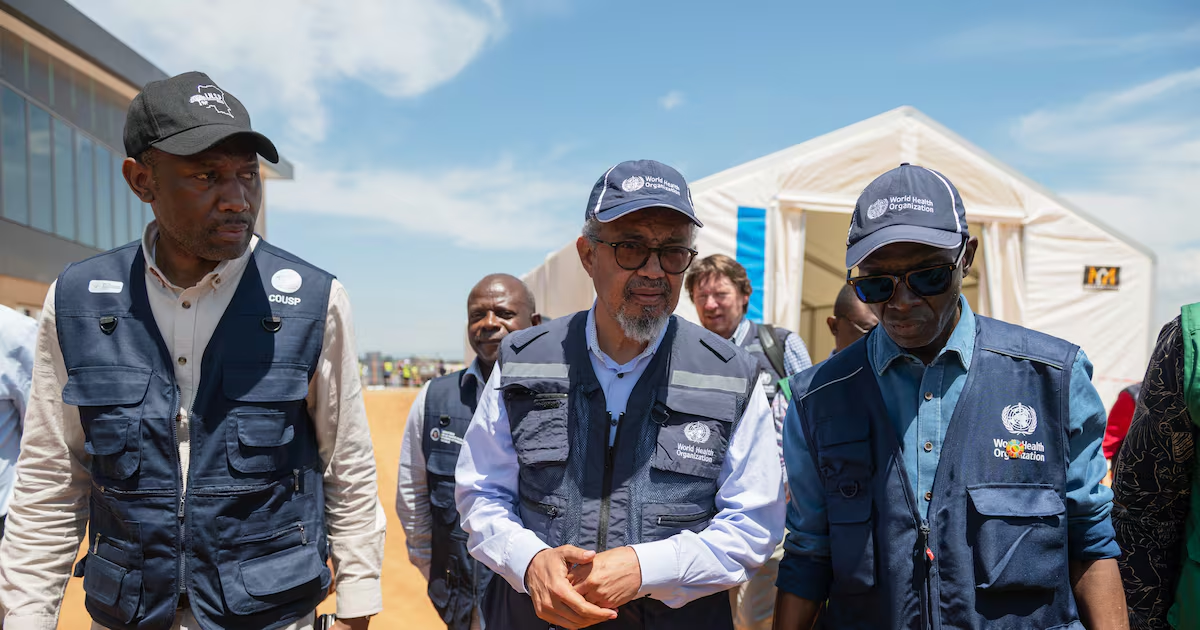
The men, women, and children in Ituri, North Kivu, and South Kivu do not have the luxury of waiting for the international community to find its collective conscience. They are living inside an Ebola outbreak today, in some of the most dangerous and underserved communities on earth, without approved vaccines or treatments, confronting a virus that can kill within days and spreads through the very acts of care and grief — touching a loved one, preparing a body for burial — that are among the most fundamental expressions of human dignity. The WHO’s message from the June 3, 2026 press conference is clear, urgent, and morally unambiguous: this outbreak demands an immediate, generously funded, community-centered, and scientifically rigorous response. Anything less is not simply a policy failure. It is a moral catastrophe in slow motion, unfolding in real time, in a region of the world that the global community has for too long treated as someone else’s problem.
The Bundibugyo Ebola virus outbreak in the Democratic Republic of the Congo is not a distant tragedy. With cases already confirmed in Uganda, a United States citizen receiving treatment in Germany, and a virus with no approved vaccine or treatment spreading across 24 health zones in three conflict-affected provinces, this is a global health emergency that demands global solidarity. The world must fund the response. It must support the WHO. It must trust the science, and it must trust — and empower — the communities at the center of this crisis to lead their own survival.
Source: WHO via Youtube ( https://www.youtube.com/live/CdEW7qr3omk?si=mA-v8kVycKAr9b3W )