

There’s a huge emotional and psychological toll of these physical things.
Dr Enam Bankas
Ghana’s conversation about sickle cell disease has long centered on pain crises, hospital admissions, and the daily limitations the condition imposes on education and employment. Yet experts now warn that this narrow focus misses a critical dimension: the emotional and psychological burden that accompanies chronic illness.
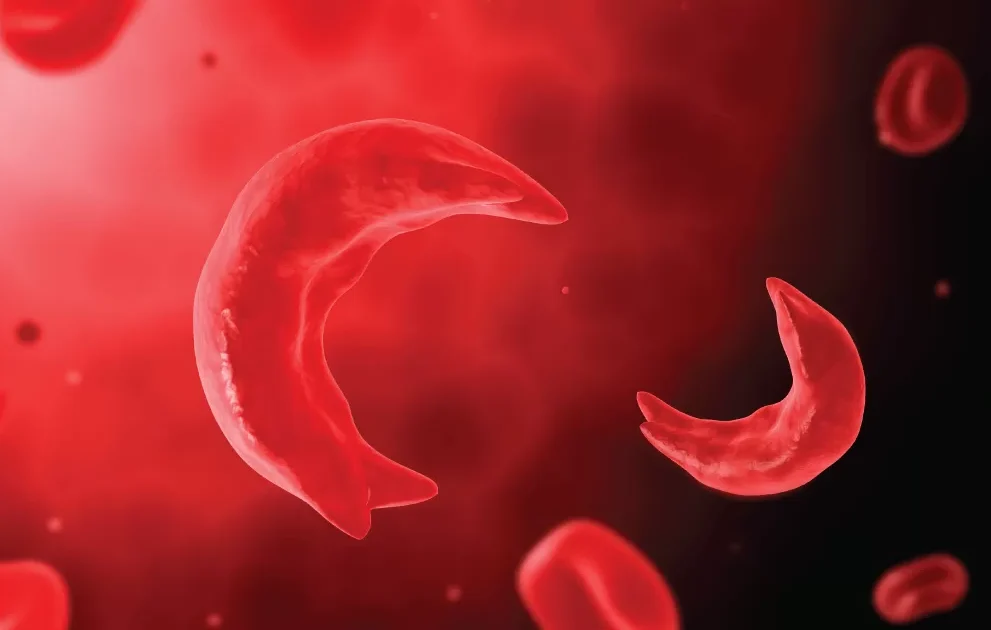
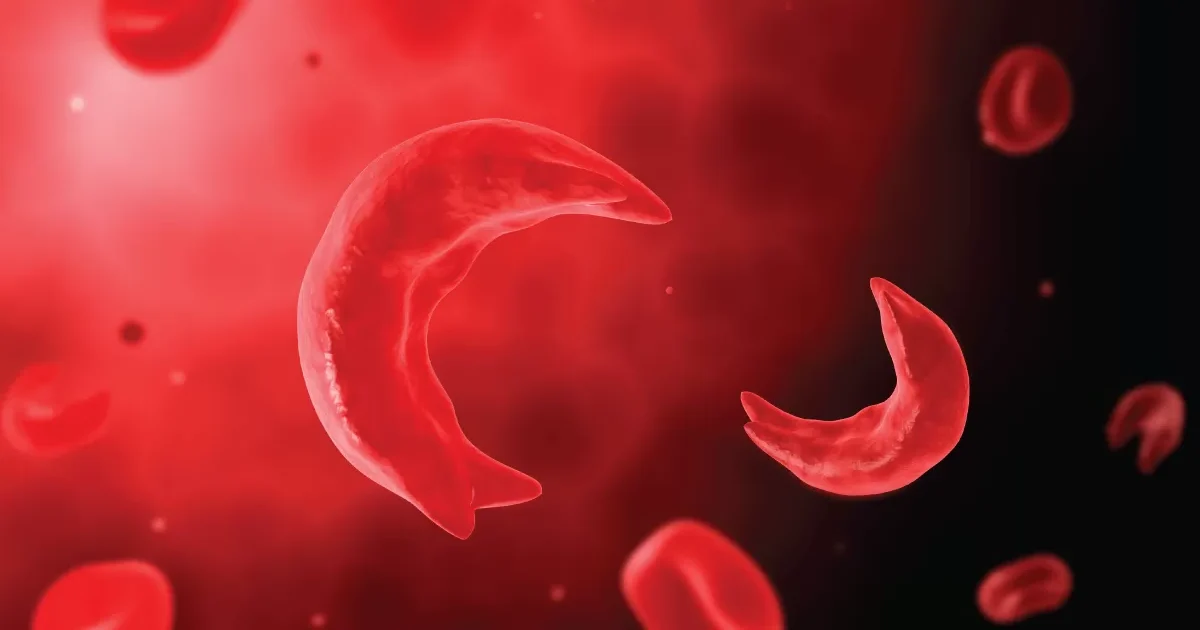
Sickle cell disease in Ghana is often framed as a medical emergency: acute pain episodes, frequent hospital visits, and interruptions to schooling and work dominate headlines and clinical encounters. That framing is accurate but incomplete. Health practitioners who work directly with patients emphasize that the mental health consequences of living with chronic pain and social limitations are profound and under-addressed. These consequences include anxiety, depression, social isolation, and long-term stress that can worsen physical outcomes and reduce quality of life.
A national response must begin with early detection. Ghana has run newborn screening initiatives for decades, but these efforts remain largely fragmented and limited to pilot projects rather than a coordinated, nationwide program. That gap represents a missed opportunity: early diagnosis and timely interventions dramatically improve survival and long-term outcomes for children born with sickle cell disease. Without universal newborn screening and follow-up systems, many affected infants face preventable morbidity and mortality.
Beyond screening, coordinated care pathways are essential. Patients and families currently navigate a disjointed system where services are scattered across clinics, hospitals, and community programs. A national strategy should integrate primary care, specialist hematology services, mental health support, social services, and community-based education so that families can access the full spectrum of care without repeated barriers. Integrated care reduces fragmentation, lowers costs over time, and improves adherence to preventive measures and treatment plans.
Mental health services must be embedded within sickle cell care. Chronic pain and repeated hospitalizations create a cycle of stress that undermines coping skills and resilience. Embedding psychosocial screening, counseling, peer support groups, and referral pathways into routine sickle cell clinics will help identify depression, anxiety, and trauma early and connect patients to appropriate care. Training frontline health workers to recognize mental health red flags and to provide basic psychosocial interventions is a cost-effective first step that can be scaled nationally.
Community engagement is equally important. Stigma, misinformation, and social exclusion compound the burden of disease. Public education campaigns that explain the genetic basis of sickle cell disease, promote newborn screening, and normalize mental health care can shift public attitudes and encourage families to seek help early. Partnerships with schools, religious organizations, and local leaders will amplify messages and create supportive environments for children and adults living with the condition.
These elements are not theoretical. Countries that have implemented comprehensive newborn screening and integrated care models report improved survival, fewer hospitalizations, and better developmental outcomes for children with sickle cell disease. Ghana’s existing pilot programs provide a foundation; scaling them nationally requires political will, sustainable financing, and cross-sector collaboration.
Practical steps for immediate action are within reach. Ministries of Health and Education can collaborate to expand newborn screening into routine maternal and child health services. Donor partners and local NGOs can support training and community outreach while the government establishes financing mechanisms. Health facilities can begin integrating basic psychosocial screening into sickle cell clinics and creating referral links to mental health providers. Each of these steps reduces preventable harm and builds momentum toward a fully integrated national program.
Advocates and civil society have a critical role to play. By amplifying patient voices, documenting lived experiences, and pushing for accountability, community groups can keep sickle cell on the national agenda. World Sickle Cell Day and other awareness moments are opportunities to demand policy change, secure funding, and highlight the human stories behind the statistics.
The moral and economic case for action is compelling. Investing in newborn screening and integrated care reduces long-term healthcare costs, improves workforce participation, and prevents the lifelong consequences of untreated disease. More importantly, it affirms the dignity of people living with sickle cell disease by treating them as whole persons whose mental and emotional well-being matter as much as their physical symptoms. As Dr Bankas urged, wellness and self-care must become central to the national conversation about sickle cell disease.
Ghana stands at a crossroads: continue with fragmented, symptom-focused responses, or commit to a national, person-centered strategy that combines universal newborn screening, coordinated medical services, and robust mental health support. The evidence and expert testimony are clear. A comprehensive approach will save lives, reduce suffering, and strengthen communities. The time to act is now.
Source: Ghana must look beyond the physical pain of sickle cell disease – Dr Enam Bankas