
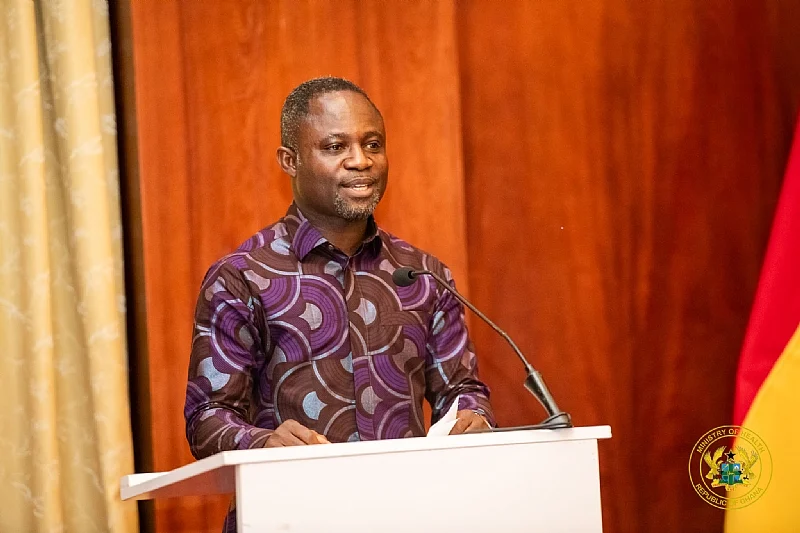

We are moving into people's homes, churches, mosques and marketplaces to screen people and detect diseases early.
Hon. Kwabena Mintah Akandoh
Ghana is poised to enter a new era of community health with a bold, government-led initiative that sends trained health workers directly into neighborhoods, places of worship, markets and homes to provide free basic screening and health education. This nationwide outreach is part of the Free Primary Healthcare programme and is designed to shift the country’s health system from reactive treatment to proactive prevention, early detection and sustained
health promotion. The strategy targets the silent rise of non-communicable diseases, especially hypertension and diabetes, which often go undiagnosed until catastrophic events occur. The program’s core promise is simple but powerful: bring essential screening services to where people live and work so that conditions can be identified and managed before they escalate.
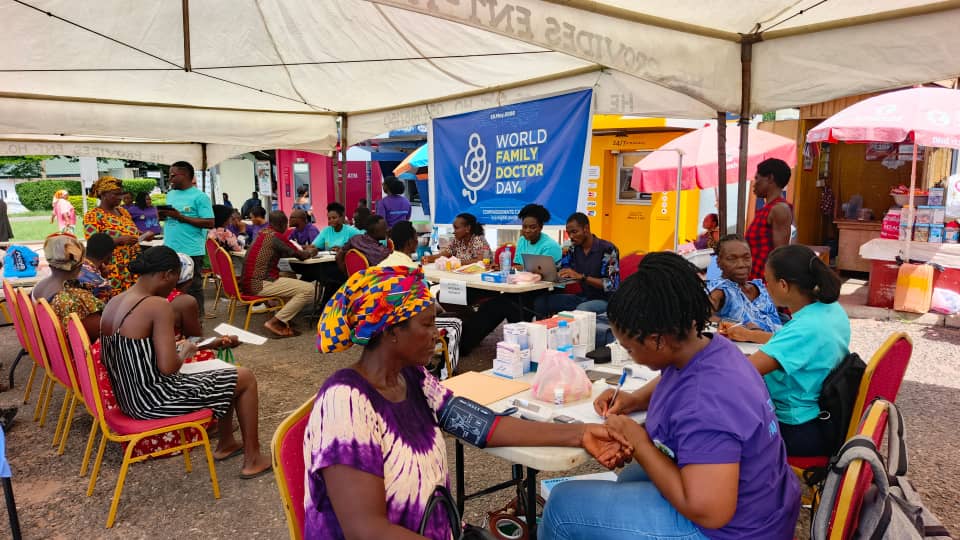
Health teams will perform routine checks such as blood pressure monitoring, blood sugar testing and temperature screening, and will offer immediate guidance and referrals when readings indicate risk. This approach reduces barriers to access, eliminates travel and cost burdens for many families, and creates multiple touchpoints for health education and behavior change.
Early detection is not only a clinical imperative but an economic one. Undiagnosed chronic conditions place heavy strain on hospitals, emergency services and household finances when they culminate in strokes, heart attacks or kidney failure. By identifying risk factors early, the outreach teams can recommend lifestyle changes, initiate follow-up care and connect patients with local clinics for ongoing management. The preventive services are integrated into the Free Primary Healthcare programme so that screening becomes a routine, sustainable part of primary care rather than a one-off campaign. This integration is intended to reduce long-term treatment costs and free up tertiary facilities to focus on complex cases.
Community trust and cultural sensitivity will be essential to the program’s success. Outreach teams will operate on scheduled programmes, moving systematically from one community to another to ensure broad coverage and predictable visits. This predictability helps households plan to participate and allows local leaders to mobilize residents. Health promotion messages delivered during screenings will emphasize practical, culturally relevant steps people can take to reduce risk—dietary adjustments, physical activity, tobacco cessation, and adherence to medication when prescribed. The minister described the preventive component as a potential “game changer” for the country’s health sector, arguing that a modern healthcare system must balance promotion, prevention and curative services.
Successful implementation will require robust training, logistics and data systems. Trained personnel must be equipped not only with screening tools but also with clear protocols for referral, follow-up and record-keeping. Digital or paper-based registries created during house-to-house visits can help track individuals with elevated readings, schedule follow-up appointments, and monitor outcomes over time. When outreach data are linked to primary care clinics, clinicians can see a patient’s screening history and act quickly. This continuity of care is crucial for chronic disease management and for measuring the program’s impact on population health metrics.
Equity is another central consideration. Rural and peri-urban communities often face the greatest barriers to early diagnosis, including distance from health facilities and limited health literacy. By prioritizing outreach in underserved areas and tailoring communication to local languages and norms, the program can reduce disparities in diagnosis and treatment. Markets, places of worship and community centers are strategic venues because they reach people who might not otherwise seek preventive care. The outreach model also creates opportunities to screen vulnerable groups—older adults, informal workers, and those with limited mobility—who are at higher risk of late diagnosis.
Public engagement and clear messaging will determine uptake. People are more likely to participate when they understand the benefits of early detection and trust the teams conducting the screenings. Transparent communication about what the screening entails, how results will be used, and what follow-up care is available will help dispel fears and misconceptions. Partnerships with local leaders, faith-based organizations and community health volunteers can amplify outreach and encourage participation. The minister emphasized prevention’s central role, stating, “Prevention is always better than cure. A proper healthcare system must include promotion, prevention and curative services.”
There are challenges to anticipate. Ensuring consistent supply chains for testing materials, maintaining trained staff, and securing sustainable funding are all critical. The program must also guard against unintended consequences, such as overburdening primary clinics with referrals they cannot absorb. Strategic planning, phased rollouts, and partnerships with private and non-governmental organizations can help mitigate these risks. When implemented thoughtfully, house-to-house screening can become a cornerstone of a resilient, prevention-focused health system that protects lives and strengthens communities.
Ghana’s move toward proactive, community-centered healthcare reflects a global shift in public health thinking: prevention and early detection save lives, reduce costs, and build healthier societies. By bringing screening to the doorstep, the government is lowering barriers to care and creating new opportunities for timely intervention. If the program achieves its aims, it will not only identify thousands of undiagnosed conditions but also change how Ghanaians experience health services—transforming clinics from places people visit only when ill into partners in lifelong health. The success of this initiative will depend on sustained political will, community engagement, and the careful alignment of resources to meet the needs of every neighborhood.
Source: Government to deploy health workers for house-to-house screening – Mintah Akandoh