
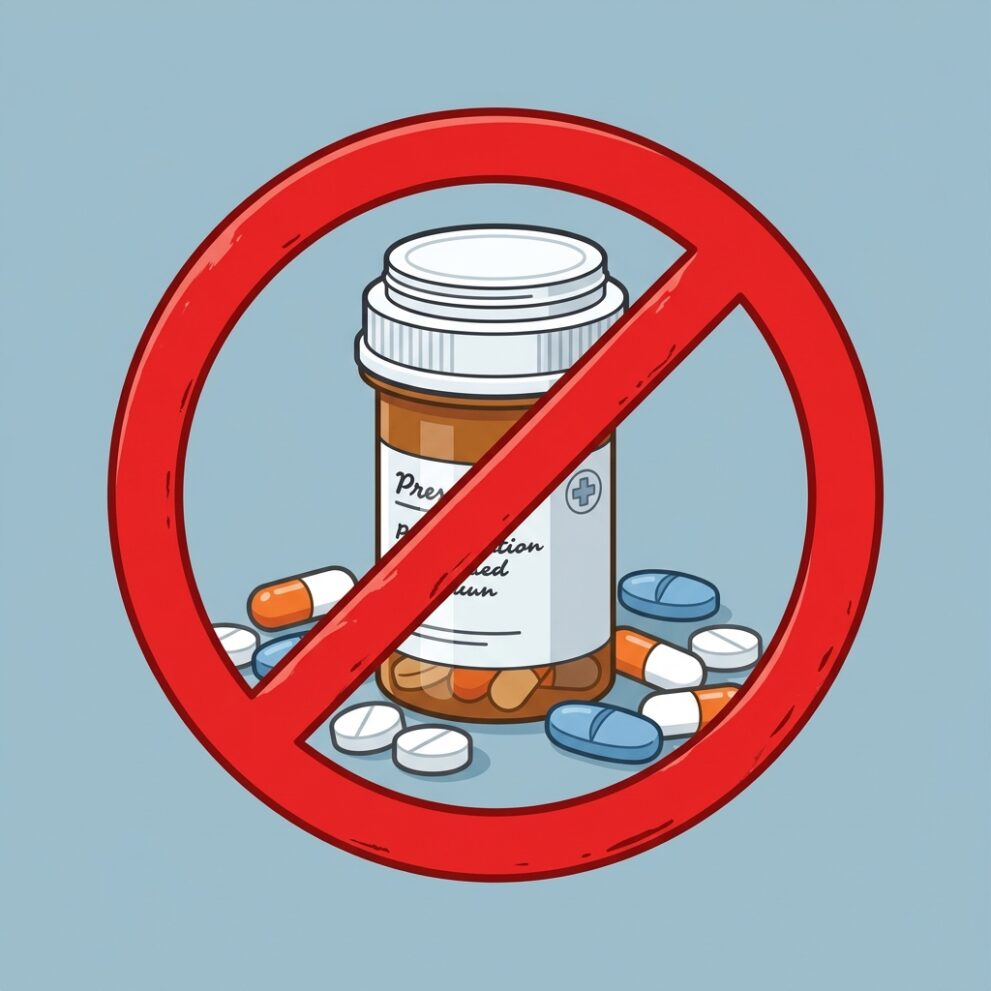

The spread of illegal street drug hawking across Accra is a growing public health emergency that demands urgent attention from citizens, health professionals, regulators, and policymakers. This phenomenon—where unregulated vendors sell malaria medicines, painkillers, aphrodisiacs, ointments and blood tonics in markets, lorry stations and busy commercial corridors—creates a cascade of risks: degraded or counterfeit medicines, treatment failure, toxicity, misdiagnosis, and the acceleration of antimicrobial resistance. These are not abstract threats; they are immediate dangers to everyday Ghanaians who buy medicines for convenience, price, or lack of access to licensed pharmacies.
Illegal street drug hawking thrives where convenience and cost trump safety. Many consumers, especially traders and market workers, purchase medicines from peddlers because they cannot leave their stalls or because licensed pharmacies are perceived as time-consuming and expensive. This demand-side reality is compounded by supply-side opacity: vendors often cannot verify the origin, storage conditions, or licensing status of the products they sell. The result is a shadow market that operates outside the safeguards of the Health Professions Regulatory Bodies Act and the Public Health Act, exposing entire communities to substandard or falsified medicines.
The health consequences are severe and measurable. Medicines exposed to heat and sunlight can chemically degrade, losing potency or becoming harmful. Critical drugs such as insulin, nitroglycerine and liquid antibiotics are particularly vulnerable; when these medicines fail, patients face life-threatening outcomes. Degraded antibiotics contribute directly to antimicrobial resistance, undermining the effectiveness of treatments for common infections and increasing the burden on hospitals and clinics. Health regulators warn that the use of degraded or counterfeit medicines can lead to treatment failure and toxicity, and can mask or complicate accurate diagnosis.
Firsthand accounts from market vendors and consumers reveal why the practice persists despite the risks. Many buyers prioritize immediate relief and affordability: “Sometimes you cannot leave your shop to go to the pharmacy. They come to us, and the drugs are cheaper,” said a tomato seller at Kaneshie Market. Others cite time constraints and the need to keep working as reasons to buy from hawkers. At the same time, some residents refuse to patronize peddlers, preferring licensed pharmacies where storage and sourcing are transparent. These contrasting behaviors highlight a public health communication gap and an access problem that must be addressed through targeted interventions.
On the supply side, investigations show alarming handling and storage practices. Vendors often carry medicines in plain plastic bags, leave products exposed to high temperatures, and fail to check expiry dates. Many peddlers operate independently, without association membership or regulatory oversight, and some openly recruit new sellers into the trade. This mobile, informal structure complicates enforcement: inspections and seizures are difficult when sellers move between markets and transport hubs. Regulators report intensified joint inspections, but enforcement alone cannot solve a problem rooted in economic need and consumer behavior.
Regulatory authorities are clear about the legal and safety framework: the pharmaceutical sector is governed by laws that require medicines to be dispensed through licensed pharmacies and over-the-counter outlets under the supervision of the Pharmacy Council and the Food and Drugs Authority. Officials warn that offenders face severe sanctions, including seizure of products, fines and possible imprisonment. Yet legal deterrence must be paired with practical solutions: expanding access to licensed outlets, improving pharmacy hours and outreach, subsidizing essential medicines, and strengthening community education about the risks of unregulated drugs. Without these complementary measures, enforcement risks displacing the problem rather than eliminating it.


Public education must be strategic, culturally sensitive and action-oriented. Messaging should emphasize the real harms of degraded and counterfeit medicines—treatment failure, adverse reactions, and the long-term public health cost of antimicrobial resistance—while offering clear alternatives. Community-based campaigns can partner with market associations, transport unions and local leaders to promote licensed pharmacies, mobile clinics, and verified over-the-counter outlets. Health workers and pharmacists can be empowered to provide quick, affordable consultations and short-duration prescriptions that meet the needs of busy traders and commuters. These practical options reduce the incentive to buy from street vendors and protect vulnerable populations.
Healthcare systems must also adapt operationally. Pharmacies and clinics can extend hours, deploy mobile dispensing units to markets, and implement rapid triage services that minimize time away from work. Digital health solutions—teleconsultations, verified e-prescriptions, and pharmacy delivery services—can bridge convenience gaps while preserving regulatory oversight. Importantly, surveillance systems should be strengthened to detect and trace counterfeit or degraded medicines quickly, enabling rapid recalls and targeted enforcement. These system-level changes protect patients and preserve the efficacy of essential medicines.
The stakes are high and the window for action is narrow. When medicines fail because they were stored in the sun or sold without oversight, the consequences ripple across families, workplaces and the health system. Policymakers must act now to combine enforcement with access, education, economic alternatives and system reforms. Citizens must choose licensed outlets whenever possible and demand accountability from regulators and suppliers. Health professionals must amplify the message that safe medicines save lives and protect communities from the slow-moving crisis of antimicrobial resistance. “You cannot be sure how the drugs are stored or whether they are genuine,” a provisions shop owner warned, highlighting the everyday uncertainty that fuels this public health threat.
This is a pivotal moment for Ghana’s public health future. Tackling illegal street drug hawking will require political will, community engagement, and practical reforms that balance safety with economic realities. The path forward is clear: strengthen regulation, expand access to licensed medicines, educate communities, and provide economic alternatives for informal sellers. When these elements come together, the result will be safer medicines, fewer treatment failures, and a stronger defense against antimicrobial resistance—outcomes that protect lives and preserve the effectiveness of essential therapies for generations to come.
Source: Ghana: Illegal Street Drug Hawking Spreads – Despite Public Health Warnings – allAfrica.com